
The Cast Iron Cleaning Debate: Settled
Few kitchen topics generate more heated debate than how to clean a cast iron skillet. Your grandmother says never use soap. The internet says soap is fine. Your neighbor says throw it in the dishwasher (please don't). The confusion is understandable — there's decades of conflicting advice floating around.
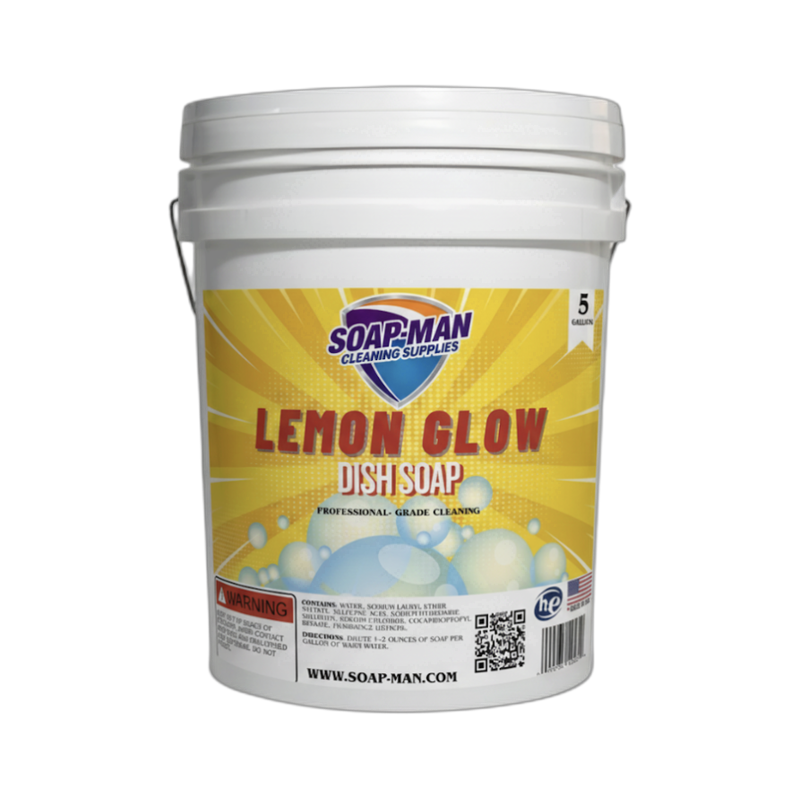
As cleaning professionals, we can tell you this: the rules have evolved. Modern dish soaps are far milder than the harsh lye-based soaps your grandparents used, which actually would strip seasoning. Today's gentle formulas, like Lemon Glow Dish Soap, are perfectly safe for cast iron when used correctly.
What matters isn't whether you use soap — it's how you clean, how quickly you dry, and how consistently you maintain the seasoning. This guide covers everything from your after-dinner routine to full restoration of a rusty garage-sale find.
Understanding Cast Iron Seasoning
Before we get into cleaning techniques, it's important to understand what seasoning actually is, because every cleaning decision you make should protect it.
Seasoning isn't a coating you buy or spray on. It's a layer of polymerized oil — fat that has been heated past its smoke point and bonded to the iron at a molecular level. This polymer layer does two things: it creates a naturally non-stick surface, and it protects the iron from moisture and rust.
A well-seasoned skillet has many thin layers of this polymer built up over time. Each time you cook with oil or fat in your skillet, you're adding to the seasoning. Each time you clean too aggressively, you're stripping it away. The goal is to clean effectively while preserving — and ideally adding to — this seasoning layer.
What You'll Need
Keep these supplies accessible near your stove. Cast iron cleaning is best done right after cooking while the pan is still warm, so having everything within reach matters.
- Hot water — The primary cleaning agent for cast iron. Hot water loosens food debris without affecting seasoning.
- Mild dish soap — A small amount of gentle dish soap like Lemon Glow Dish Soap is safe for occasional use on cast iron. Not every wash — but when you need it.
- Coarse salt (kosher salt) — Acts as a gentle abrasive for stuck-on food without scratching the seasoning.
- Stiff brush or chain-mail scrubber — For stubborn bits. A dedicated cast iron brush or chain-mail scrubber is ideal. Avoid steel wool unless you're doing a full restoration.
- Paper towels or lint-free cloth
- Cooking oil — Flaxseed, canola, vegetable, or shortening for re-oiling after washing. Each has pros and cons (we'll cover that below).
- Oven mitts — The pan should be warm when you clean it. Protect your hands.
Method 1: Daily Cleaning (After Every Use)
This is your standard routine after cooking dinner. It takes about 3-5 minutes and keeps your skillet in prime condition.
Step 1: Clean While Warm
The best time to clean cast iron is right after cooking, while the pan is still warm (not screaming hot — wait a few minutes if you just pulled it off high heat). Warm cast iron releases food debris much more easily than a cold pan. If you let the pan cool completely, stuck-on food hardens and becomes much harder to remove.
Run the pan under hot water. For most meals, hot water and a stiff brush are all you need. Scrub in circular motions, applying moderate pressure. The combination of warm pan and hot water loosens most food residue quickly.
Step 2: Use Salt for Stuck-On Food
If hot water alone doesn't cut it, pour about 2 tablespoons of coarse kosher salt into the warm pan. Add a small splash of water to make a paste. Use a paper towel or cloth to scrub the salt paste against the stuck-on food in circular motions.
The salt acts as a gentle, natural abrasive that scrubs away food without damaging the seasoning. It's effective on everything from eggs to caramelized sauces. Rinse with hot water when the stuck bits come free.
Step 3: Soap When Needed (Yes, It's Okay)
Here's where we put the old myth to rest. A small amount of modern dish soap is perfectly fine for cast iron. The polymerized seasoning layer is chemically bonded to the iron — a gentle soap formulated for dishes isn't going to break those molecular bonds.
When should you use soap? When you've cooked something particularly greasy, fishy, or strongly flavored and you want to neutralize odors. Add a tiny drop of Lemon Glow Dish Soap to your brush, scrub lightly, and rinse. Don't soak the pan in soapy water — that's a different situation entirely.
Step 4: Dry Immediately and Thoroughly
This is the most critical step. Cast iron rusts fast — even 30 minutes of sitting wet can start surface rust. After rinsing, dry the skillet immediately with a clean cloth or paper towel.
For bulletproof drying, place the clean pan on a burner set to low heat for 2-3 minutes. This evaporates every trace of moisture, including water trapped in the porous iron surface. You'll hear the last bits of moisture sizzle off. This is the professional method and it's worth the extra two minutes.
Step 5: Oil While Warm
While the pan is still warm from the stovetop drying, add about half a teaspoon of cooking oil. Use a paper towel to spread a thin, even coat over the entire cooking surface, the sides, and even the bottom and handle if you want to be thorough.
Then — and this is key — use a clean paper towel to wipe away as much oil as you can. The pan should look almost dry, with just the thinnest possible sheen of oil. Too much oil left on the pan will turn sticky and gummy. The goal is a micro-thin layer that protects the iron and adds incrementally to the seasoning.
Method 2: Deep Cleaning (When Things Go Wrong)
Burned-on food, a forgotten pan left soaking, or a recipe that went sideways — sometimes your cast iron needs more than the daily routine.
The Boiling Water Method
For heavy stuck-on food that salt won't budge, fill the pan with about half an inch of water and bring it to a boil on the stovetop. Use a wooden spatula or stiff brush to scrape the loosened food while the water simmers. The combination of heat and water breaks the bond between the food and the seasoning without damaging the pan.
Pour out the dirty water, rinse the pan, and proceed with the normal dry-and-oil routine. This method is effective for everything from burned cheese to caramelized sugar.
The Baking Soda Paste Method
For sticky residue that won't come off with water or salt, make a paste of 3 tablespoons baking soda and 1 tablespoon water. Apply the paste to the problem area, let it sit for 5-10 minutes, then scrub with a stiff brush.
Baking soda is mildly abrasive and alkaline, which helps break down stubborn residue. It's more aggressive than salt but gentler than anything metal. Rinse thoroughly, dry on the stovetop, and re-oil.
When to Strip and Re-Season
If your pan has significant rust, a sticky or uneven seasoning layer, or a previous owner's questionable maintenance, you may need to strip the pan and start fresh. This is the nuclear option — effective, but it means rebuilding the seasoning from scratch.
Method 3: Full Rust Restoration
Found a rusty cast iron skillet at a flea market? Inherited your grandmother's neglected pan? Here's how to bring it back to life. This process takes some time but the results are worth it.
Step 1: Scrub Off the Rust
Start with coarse steel wool (this is the one time steel wool is appropriate for cast iron). Scrub the entire surface — cooking surface, sides, bottom, handle — removing all visible rust. For heavy rust, you may need to apply significant pressure. Don't worry about removing old seasoning — that's the point.
Alternatively, soak the pan in a 50/50 mix of white vinegar and water for 1-3 hours (check every 30 minutes). The vinegar dissolves rust on contact. Don't leave it longer than 3 hours — vinegar will start etching the iron itself. After soaking, scrub with steel wool to remove any remaining rust.
Step 2: Wash Thoroughly
Once all rust is removed, wash the pan with warm water and Lemon Glow Dish Soap — this is one situation where a good soapy wash is exactly what's needed. You want to remove all traces of rust particles, vinegar, and old seasoning residue. Rinse several times with clean water.
Step 3: Dry Completely
Dry with a towel, then immediately place on a burner on low heat for 5 minutes to evaporate every last bit of moisture. A stripped cast iron pan will start rusting within minutes if left wet, so speed matters here.
Step 4: Apply Seasoning Layers
With the pan warm and completely dry, apply a thin coat of oil to the entire pan — inside, outside, handle, everything. Flaxseed oil creates the hardest seasoning layer but can sometimes flake. Crisco or vegetable shortening is the most reliable choice for most people. Canola or vegetable oil works well too.
Use a paper towel to wipe off as much oil as possible. The pan should look nearly dry — just a micro-thin film of oil. Place the pan upside down in an oven preheated to 450-500 degrees Fahrenheit (put a sheet of foil on the rack below to catch any drips). Bake for 1 hour, then turn off the oven and let the pan cool inside with the door closed.
Repeat this process 3-4 times. Each layer builds up the polymer coating, creating a smooth, durable, non-stick seasoning. After 3-4 rounds, your pan should have a dark, semi-glossy surface that's ready for cooking.
Best Oils for Seasoning Cast Iron
Not all oils create equal seasoning. Here's what works best and why.
- Flaxseed oil: Creates the hardest polymer layer. Dries to a very smooth finish. However, some people find it can flake if not applied in thin enough layers. Expensive compared to other options.
- Vegetable shortening (Crisco): The traditional choice and still one of the best. Creates a durable, even seasoning that doesn't flake. Inexpensive and easy to find.
- Canola oil: Good all-around choice. High smoke point, creates solid seasoning, and is affordable. Many cast iron manufacturers recommend it.
- Vegetable oil: Similar to canola. Works well, affordable, widely available.
- Avocado oil: Very high smoke point makes it excellent for seasoning. Creates a hard, durable layer. More expensive but increasingly popular.
Avoid butter (too low a smoke point and contains milk solids), olive oil (relatively low smoke point and can become sticky), and coconut oil (can create a soft seasoning that wears off quickly).
Cast Iron Cleaning Mistakes That Ruin Your Pan
Soaking in Water
Never leave a cast iron pan sitting in water or submerged in a sink. Even 20 minutes of soaking can cause surface rust. Clean promptly after cooking and dry immediately. If you can't clean right away, at least wipe the pan dry and set it aside — you can do a proper clean later.
Putting It in the Dishwasher
The dishwasher is the fastest way to destroy a cast iron pan's seasoning. The prolonged exposure to water, heat, and harsh detergent strips the seasoning completely and promotes rust. Never put cast iron in the dishwasher — not even once.
Using Metal Utensils Aggressively
Metal spatulas are fine for cooking in cast iron — they can actually help smooth the seasoning over time. But aggressive scraping with a metal tool, especially on a newer or lightly seasoned pan, can gouge the seasoning. Use firm but controlled pressure.
Storing Without Oil
After cleaning and drying, always apply a thin layer of oil before storing. Cast iron stored without this protective oil layer absorbs moisture from the air and can develop rust spots, especially in humid environments. A 30-second oiling takes care of this.
Using Acidic Foods Without Enough Seasoning
Tomato sauce, wine, lemon juice, and vinegar-based dishes can break down seasoning on a pan that isn't well-seasoned. This is one of the reasons a new or recently restored pan sometimes gets a metallic taste when cooking acidic foods. Build up 4-5 layers of seasoning before tackling tomato-heavy recipes.
How to Store Cast Iron Properly
Proper storage is the last line of defense against rust and seasoning damage.
- Clean and oil before storing. This should be automatic at this point.
- Store in a dry place. Avoid storing under the sink or anywhere with high humidity.
- Place a paper towel between stacked pans. If you stack cast iron (or nest other pans inside your skillet), place a paper towel or cloth between them to prevent scratching and allow airflow.
- Leave the lid off. Don't store cast iron with a tight-fitting lid. Trapped moisture causes rust. If you use a lid, leave it slightly ajar.
- Hang it if possible. Wall-mounted hooks or pot racks provide airflow on all sides and prevent scratching from stacking. This is the ideal storage method.
Building Seasoning Through Everyday Cooking
The best way to maintain and improve your cast iron seasoning is simply to cook with it regularly. Every time you cook with fat — frying bacon, searing a steak, sauteing vegetables in oil — you're adding micro-layers of seasoning to the pan.
When breaking in a new or freshly seasoned pan, start with high-fat cooking for the first few weeks: fry bacon, cook cornbread, make grilled cheese sandwiches, sear meats. These activities build up the seasoning faster than anything else. Save delicate or acidic cooking (eggs, tomato sauce, wine reductions) until the seasoning is well-established — usually after a few weeks of regular use.
Frequently Asked Questions
Can I use soap on cast iron?
Yes. Modern dish soaps like Lemon Glow Dish Soap are gentle enough that they won't strip a well-established seasoning layer. The old "never use soap" rule applied to the harsh lye-based soaps of previous generations. Use soap when you need it — just don't soak the pan or use it every single time.
My cast iron is sticky after seasoning. What went wrong?
Sticky seasoning means you used too much oil. When applying seasoning, wipe off as much oil as you possibly can — the pan should look almost dry before going into the oven. Re-heat the sticky pan at 450-500 degrees for an hour to polymerize the excess oil, or strip and start over if the stickiness is severe.
Can I cook eggs in cast iron?
Absolutely — once the seasoning is well-established. A properly seasoned cast iron pan is one of the best surfaces for cooking eggs. If eggs are sticking, your seasoning needs more time to build up. Use more butter or oil while the seasoning matures, and avoid cooking eggs on high heat.
How do I know if my seasoning is good?
Well-seasoned cast iron has a dark, semi-glossy surface that food doesn't stick to. Water dripped onto the surface should bead up. If you can fry an egg and slide it around without sticking, your seasoning is in great shape. If food sticks, you see dull gray patches, or the surface feels rough, you need to build more seasoning layers.
Is the black residue that comes off cast iron harmful?
No. The black residue is bits of carbonized seasoning (polymerized oil) and carbon from cooking. It's not harmful and is actually a sign of a well-used pan. If it bothers you, give the pan a scrub with salt and hot water, re-oil, and it will stabilize after a few more cooking sessions.
How long does a cast iron skillet last?
Indefinitely. Cast iron pans from the 1800s are still in use today. The iron itself is essentially indestructible under normal kitchen conditions. Cracking from thermal shock (plunging a screaming-hot pan into cold water) is the only realistic way to permanently damage one. With basic maintenance — clean, dry, oil — a cast iron skillet will outlast every other piece of cookware you own.
Can I use a cast iron skillet on a glass-top stove?
Yes, but be careful. Cast iron is heavy and can scratch glass cooktops if you slide it. Always lift the pan rather than dragging it. Also, cast iron retains heat longer than other materials, so your glass cooktop may register heat even after you've turned the burner off. This is normal — just be patient and don't assume the burner is malfunctioning.