Ammonia vs Dish Soap: Which Should You Use?
Ammonia vs dish soap: which should you use for cleaning? Compare strength, safety, and best uses for each.
Quick Verdict
Dish soap for daily safe cleaning, ammonia for tough specialty jobs. Ammonia is much more powerful but requires careful handling. Most home cleaning can be done with dish soap.
Side-by-Side Comparison
Ammonia
Pros
- Very effective on grease and grime
- Excellent for streak-free glass
- Strong on tough stains
- Inexpensive
Cons
- Strong fumes can be harmful
- Cannot mix with bleach (toxic gas)
- Can damage some surfaces
- Not safe around children/pets
Best For
Streak-free windows, tough kitchen grease, oven cleaning, and heavy-duty cleaning tasks.
Dish Soap
Pros
- Safe for daily use
- Multipurpose cleaning capabilities
- Gentle on skin and surfaces
- Pleasant scents
Cons
- Less effective on heavy grease alone
- Can leave streaks on glass
- Not as strong as ammonia
- Requires more product for tough jobs
Best For
Daily cleaning, hand washing dishes, mild stains, and surfaces that need gentle cleaning.
When to Use Ammonia
Use ammonia for streak-free glass, oven cleaning, and tough grease that dish soap can't handle. Always ventilate well.
When to Use Dish Soap
Use dish soap for everyday cleaning, dishes, mild stains, and any cleaning task in homes with children or pets.
Buying cleaning supplies for a business?
If this Ammonia vs Dish Soap decision affects a facility, kitchen, laundry room, vehicle fleet, or recurring cleaning program, Soap-Man can quote the right bulk supply mix instead of retail-size bottles.
Bulk supplies related to this guide
Turn the comparison into an order path with Soap-Man products available by case, bucket, and volume quote.
Specialty Cleaners
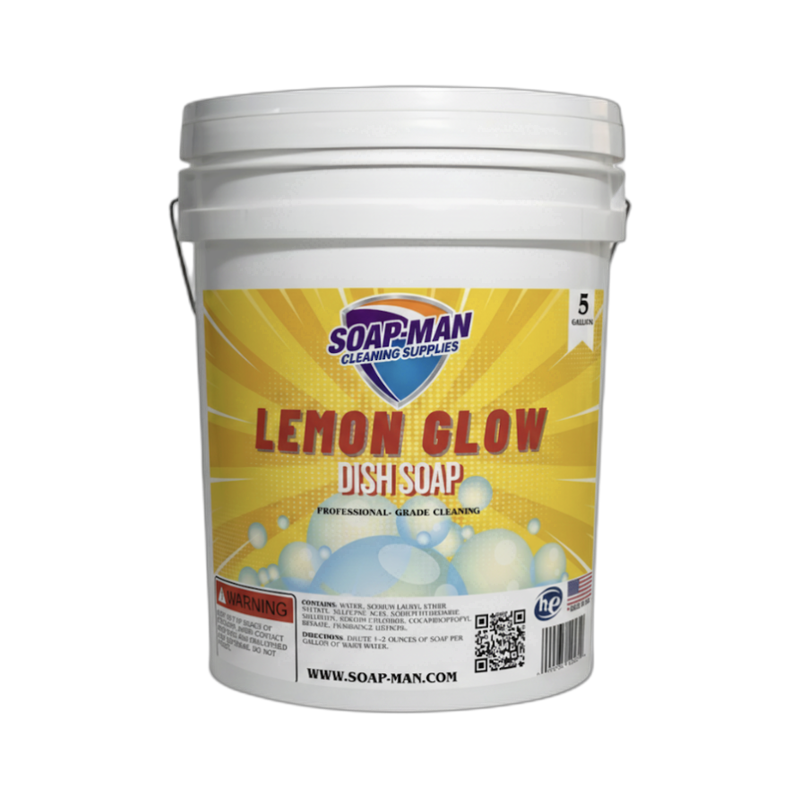
Lemon Glow Dish Soap
Commercial-grade lemon-scented dish soap for professional kitchen operations. Available in 1-gallon and 5-gallon sizes.
From $74.00/case or $65.00/bucket
View product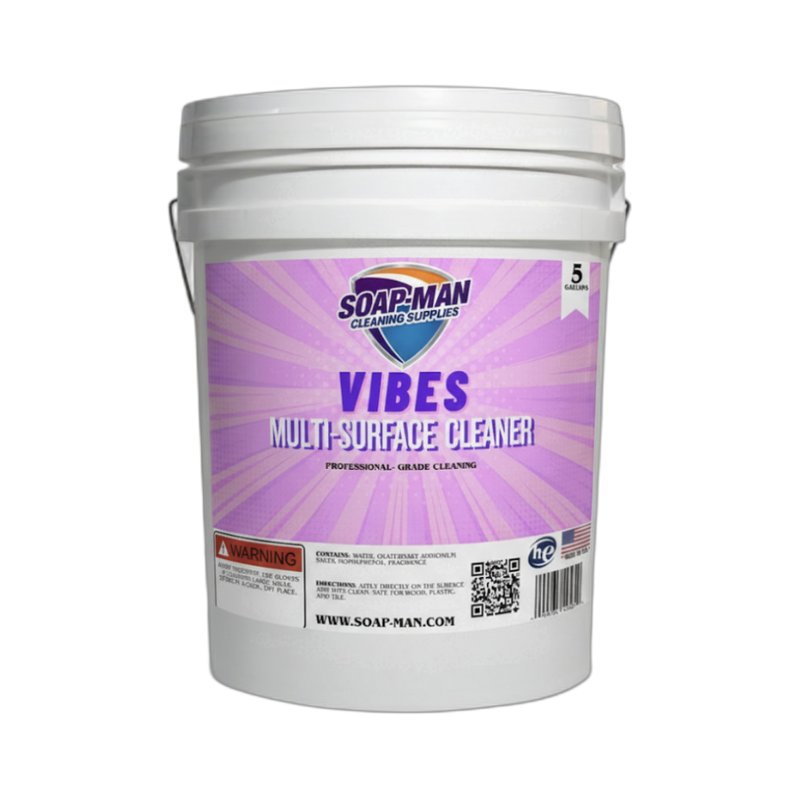
Degreasers & Multi-Surface Cleaners
Vibes Multi-Surface Cleaner
Premium multi-surface cleaner for all commercial and household environments. Available in 1-gallon and 5-gallon sizes.
From $67.00/case or $58.00/bucket
View productOur Verdict
Dish soap for daily safe cleaning, ammonia for tough specialty jobs. Ammonia is much more powerful but requires careful handling. Most home cleaning can be done with dish soap.
Choose Ammonia when: Streak-free windows, tough kitchen grease, oven cleaning, and heavy-duty cleaning tasks.
Choose Dish Soap when: Daily cleaning, hand washing dishes, mild stains, and surfaces that need gentle cleaning.
Frequently Asked Questions
Need cleaning supplies? Shop Soap-Man Products