Baking Soda vs Comet: Which Should You Use?
Baking soda vs Comet cleanser: which is better for scrubbing? Compare safety, effectiveness, and best uses.
Quick Verdict
Baking soda for safe routine cleaning, Comet for tough jobs on durable surfaces. Comet's abrasive nature can damage many surfaces, so test first. Baking soda is safer and works for most home cleaning tasks.
Side-by-Side Comparison
Baking Soda
Pros
- Natural and chemical-free
- Gentle abrasive that doesn't scratch
- Safe for kids and pets
- Multipurpose -- cleans, deodorizes, freshens
Cons
- Less effective on heavy stains
- Slower than commercial cleansers
- Can leave white residue if not rinsed
- Not EPA-registered as a disinfectant
Best For
Routine cleaning, stainless steel, glass, deodorizing, and households that prefer natural products.
Comet
Pros
- Highly effective on tough stains
- Contains bleach for whitening and disinfecting
- Fast-acting on mineral deposits
- Powerful scouring action
Cons
- Highly abrasive -- can scratch surfaces
- Contains harsh chemicals
- Can damage colored grout and porcelain
- Strong fumes can irritate respiratory system
Best For
Heavy-duty scrubbing, removing tough stains, white porcelain, and commercial cleaning.
When to Use Baking Soda
Use baking soda for safe routine cleaning, stainless steel, glass, deodorizing, and around children and pets.
When to Use Comet
Use Comet for tough stains on white porcelain, durable surfaces that need heavy scrubbing, and commercial cleaning where damage isn't a concern.
Buying cleaning supplies for a business?
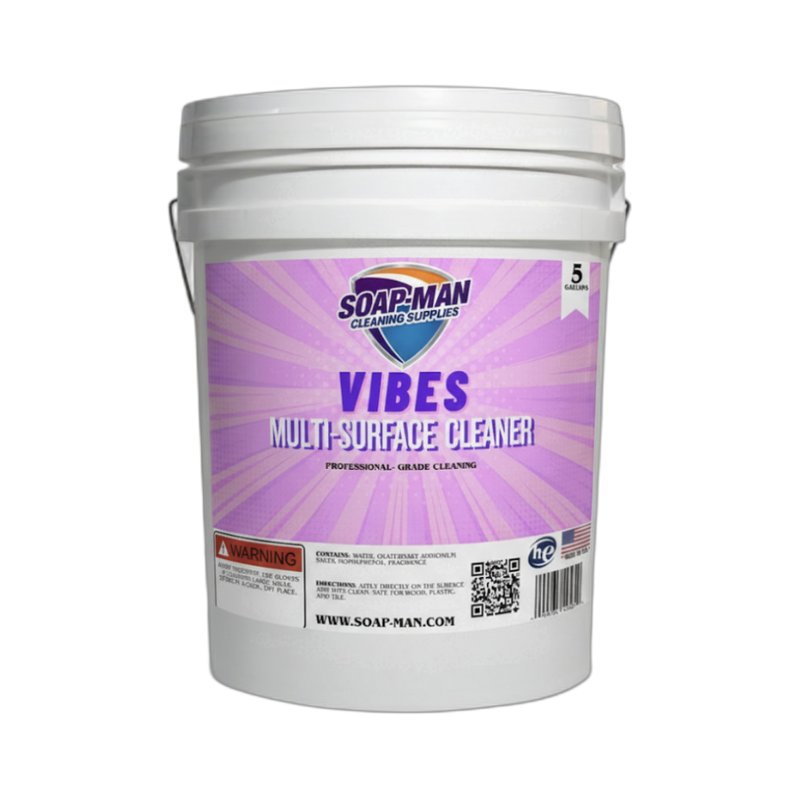
If this Baking Soda vs Comet decision affects a facility, kitchen, laundry room, vehicle fleet, or recurring cleaning program, Soap-Man can quote the right bulk supply mix instead of retail-size bottles.
Bulk supplies related to this guide
Turn the comparison into an order path with Soap-Man products available by case, bucket, and volume quote.
Our Verdict
Baking soda for safe routine cleaning, Comet for tough jobs on durable surfaces. Comet's abrasive nature can damage many surfaces, so test first. Baking soda is safer and works for most home cleaning tasks.
Choose Baking Soda when: Routine cleaning, stainless steel, glass, deodorizing, and households that prefer natural products.
Choose Comet when: Heavy-duty scrubbing, removing tough stains, white porcelain, and commercial cleaning.
Frequently Asked Questions
Need cleaning supplies? Shop Soap-Man Products