Clorox Toilet Bowl Cleaner vs Lysol Toilet Bowl Cleaner: Which Should You Use?
Clorox vs Lysol toilet bowl cleaner: which eliminates stains and germs better? Compare formulas, effectiveness, and value for bathroom cleaning.
Quick Verdict
Clorox wins for heavily stained, neglected toilets that need maximum whitening power. Lysol wins for regular maintenance, septic systems, and better air quality in enclosed bathrooms. For commercial restrooms with multiple toilets, a bulk toilet bowl cleaner concentrate is significantly more cost-effective than either brand.
Side-by-Side Comparison
Clorox Toilet Bowl Cleaner
Pros
- Bleach-based formula provides maximum whitening power
- Angled bottle with precision nozzle reaches under the rim
- Removes hard water stains, rust rings, and mineral buildup
- Kills 99.9% of germs with bleach disinfection
Cons
- Strong bleach fumes in enclosed bathrooms
- Can damage colored toilets or decorative bowls
- Harsh on septic systems with frequent use
- Must not be mixed with any other bathroom cleaner
Best For
Heavily stained white toilets, hard water buildup, maximum whitening, and restrooms that need heavy-duty disinfection.
Lysol Toilet Bowl Cleaner
Pros
- Bleach-free formula is gentler on plumbing and septic systems
- Effective disinfection without harsh bleach fumes
- Available in multiple formulations for different needs
- Thick gel formula clings to bowl surfaces for better contact
Cons
- Less effective at removing heavy mineral stains than Clorox
- Requires more scrubbing on tough hard water rings
- Does not whiten as aggressively as bleach-based cleaners
- Slightly higher price per bottle than Clorox
Best For
Regular maintenance cleaning, septic-safe disinfection, environments with ventilation concerns, and colored or decorative toilets.
When to Use Clorox Toilet Bowl Cleaner
Reach for Clorox when toilets have visible hard water rings, rust stains, or mineral buildup that standard cleaning cannot remove. Its bleach formula whitens and disinfects aggressively. Best for periodic deep cleaning of white porcelain bowls.
When to Use Lysol Toilet Bowl Cleaner
Use Lysol for regular weekly toilet maintenance, in homes with septic systems, in poorly ventilated bathrooms, and on colored or non-standard toilet fixtures. Its gel formula clings well for consistent disinfection without bleach harshness.
Buying cleaning supplies for a business?
If this Clorox Toilet Bowl Cleaner vs Lysol Toilet Bowl Cleaner decision affects a facility, kitchen, laundry room, vehicle fleet, or recurring cleaning program, Soap-Man can quote the right bulk supply mix instead of retail-size bottles.
Bulk supplies related to this guide
Turn the comparison into an order path with Soap-Man products available by case, bucket, and volume quote.
Bleach & Disinfectants
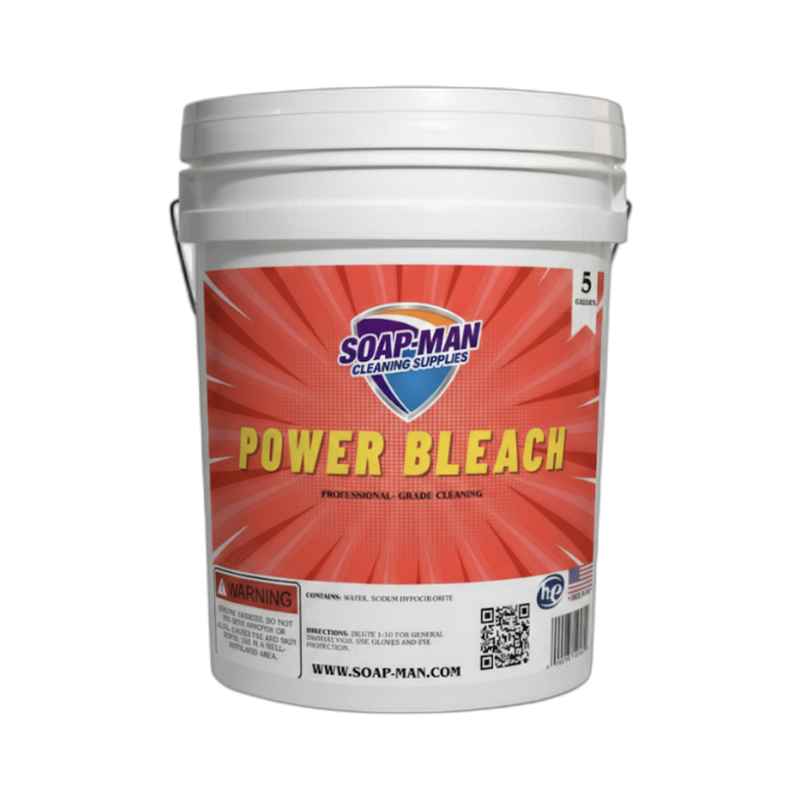
Power Bleach
Professional-grade bleach for commercial disinfecting and whitening. Available in 1-gallon and 5-gallon sizes.
From $68.00/case or $58.00/bucket
View product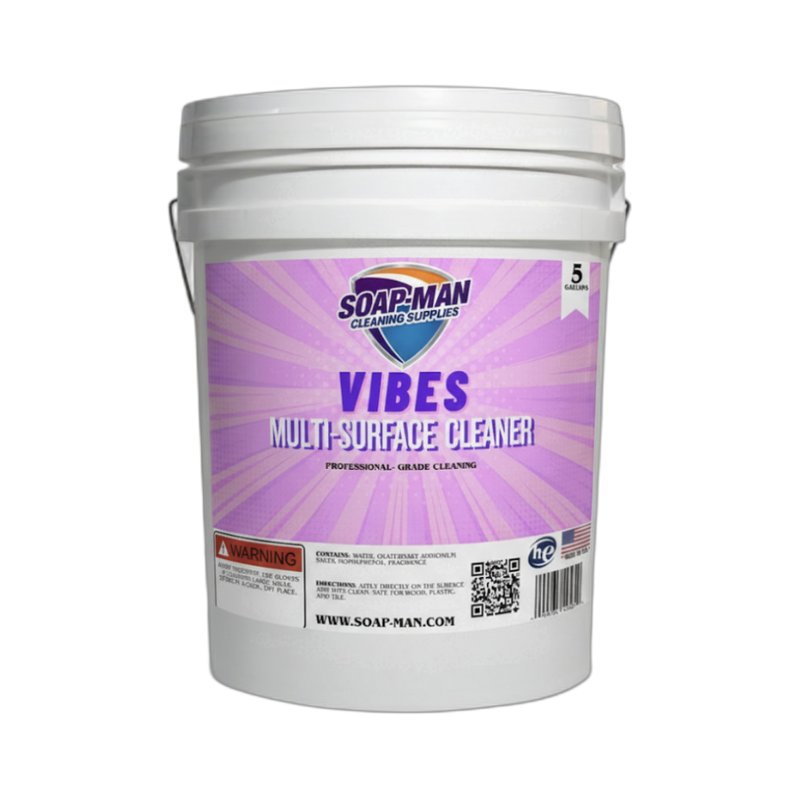
Degreasers & Multi-Surface Cleaners
Vibes Multi-Surface Cleaner
Premium multi-surface cleaner for all commercial and household environments. Available in 1-gallon and 5-gallon sizes.
From $67.00/case or $58.00/bucket
View productOur Verdict
Clorox wins for heavily stained, neglected toilets that need maximum whitening power. Lysol wins for regular maintenance, septic systems, and better air quality in enclosed bathrooms. For commercial restrooms with multiple toilets, a bulk toilet bowl cleaner concentrate is significantly more cost-effective than either brand.
Choose Clorox Toilet Bowl Cleaner when: Heavily stained white toilets, hard water buildup, maximum whitening, and restrooms that need heavy-duty disinfection.
Choose Lysol Toilet Bowl Cleaner when: Regular maintenance cleaning, septic-safe disinfection, environments with ventilation concerns, and colored or decorative toilets.
Frequently Asked Questions
Related Comparisons
Ajax vs Comet
Ajax vs Comet: which scouring powder cleans sinks, tubs, and toilets better? Compare formulas, scratch risk, and value for everyday cleaning.
Read comparisonBathroomToilet Bowl Cleaner vs Bleach (Diluted)
Toilet bowl cleaner vs bleach: which keeps your toilet cleaner? Compare stain removal, disinfection, safety, and the best approach for sparkling toilets.
Read comparisonNeed cleaning supplies? Shop Soap-Man Products