Fabric Softener vs White Vinegar: Which Should You Use?
Fabric softener vs vinegar in laundry: which is better? Compare softness, smell, and effects on fabric.
Quick Verdict
Vinegar is the better choice for most laundry. It softens without coating fibers, removes detergent residue, and is much cheaper. Reserve fabric softener for cotton clothing where you want fragrance.
Side-by-Side Comparison
Fabric Softener
Pros
- Strong fragrance
- Reduces static cling
- Makes clothes feel soft
- Easy to use
Cons
- Coats fibers and reduces absorbency
- Builds up over time
- Contains chemicals
- Can damage athletic and microfiber fabrics
Best For
Cotton clothing, when you want fragrance, and clothes that don't need to wick moisture.
White Vinegar
Pros
- Natural fabric softener
- Removes detergent residue
- Doesn't reduce absorbency
- Inexpensive
Cons
- Vinegar smell during wash (dissipates)
- No added fragrance
- May not soften as much as commercial
- Some find scent unpleasant
Best For
Towels, athletic wear, microfiber, and when you want softness without buildup.
When to Use Fabric Softener
Use fabric softener for cotton clothing where you want fragrance and softness, and when buildup isn't a concern.
When to Use White Vinegar
Use vinegar for towels, athletic wear, microfiber, and any fabric that needs to maintain absorbency.
Buying cleaning supplies for a business?
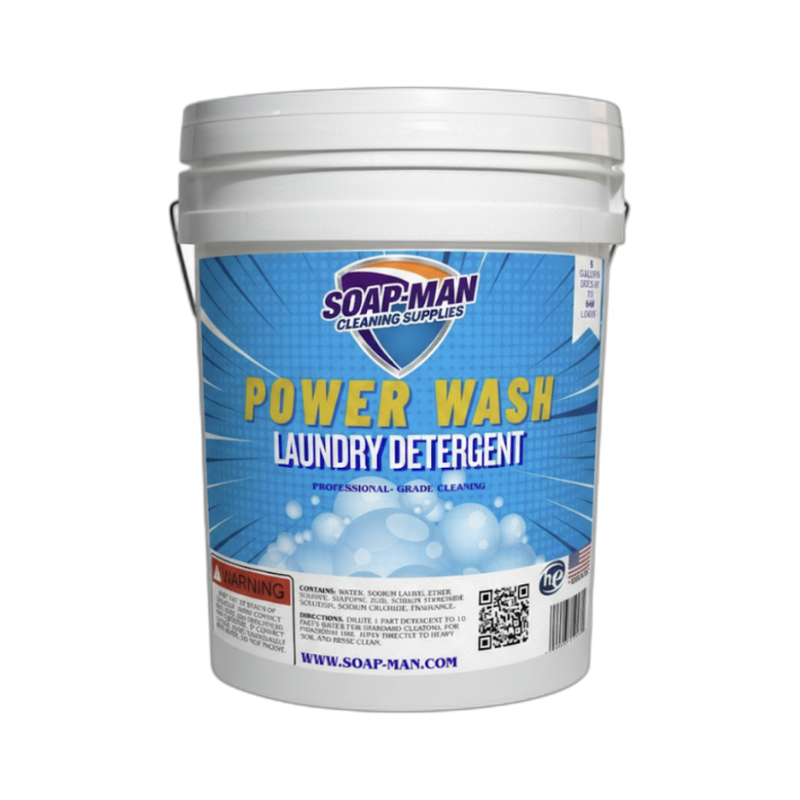
If this Fabric Softener vs White Vinegar decision affects a facility, kitchen, laundry room, vehicle fleet, or recurring cleaning program, Soap-Man can quote the right bulk supply mix instead of retail-size bottles.
Bulk supplies related to this guide
Turn the comparison into an order path with Soap-Man products available by case, bucket, and volume quote.
Our Verdict
Vinegar is the better choice for most laundry. It softens without coating fibers, removes detergent residue, and is much cheaper. Reserve fabric softener for cotton clothing where you want fragrance.
Choose Fabric Softener when: Cotton clothing, when you want fragrance, and clothes that don't need to wick moisture.
Choose White Vinegar when: Towels, athletic wear, microfiber, and when you want softness without buildup.
Frequently Asked Questions
Related Comparisons
OxiClean (Oxygen Bleach) vs Bleach (Chlorine Bleach)
OxiClean vs bleach: which is better for stain removal and whitening? Compare safety, effectiveness, and best uses for laundry and cleaning.
Read comparisonLaundryBorax vs Baking Soda
Borax vs baking soda for laundry: which booster gets clothes cleaner? Compare stain fighting, water softening, and safety for your washing machine.
Read comparisonLaundryHand Washing vs Machine Washing
Hand wash vs machine wash: when should you use each? Compare effectiveness, fabric care, and best practices for laundry.
Read comparisonNeed cleaning supplies? Shop Soap-Man Products