Hot Water vs Cold Water: Which Should You Use?
Hot water vs cold water for cleaning: which is more effective? Compare uses, energy savings, and best practices.
Quick Verdict
Use hot water for grease, sanitizing, and tough jobs. Cold water for laundry, protein stains, and energy savings. Modern detergents are designed to work in cold water for most clothing.
Side-by-Side Comparison
Hot Water
Pros
- More effective for grease and oils
- Better at killing germs
- Loosens stuck-on dirt faster
- Speeds up cleaning
Cons
- Uses more energy
- Sets some stains (blood, dairy)
- Can damage some fabrics
- More dangerous to handle
Best For
Greasy dishes, oil stains, sanitizing, sticky messes, and tough cleaning jobs.
Cold Water
Pros
- Energy-efficient
- Won't set protein stains
- Safe for most fabrics
- Eco-friendly
Cons
- Less effective on grease
- Slower cleaning
- Doesn't kill germs as well
- Can leave residue
Best For
Most laundry, protein stains (blood, sweat), delicate fabrics, and energy savings.
When to Use Hot Water
Use hot water for greasy dishes, oil stains, sanitizing, and tough cleaning jobs that need maximum power.
When to Use Cold Water
Use cold water for most laundry, protein stains, delicate fabrics, and energy-conscious cleaning.
Buying cleaning supplies for a business?
If this Hot Water vs Cold Water decision affects a facility, kitchen, laundry room, vehicle fleet, or recurring cleaning program, Soap-Man can quote the right bulk supply mix instead of retail-size bottles.
Bulk supplies related to this guide
Turn the comparison into an order path with Soap-Man products available by case, bucket, and volume quote.
Laundry Detergents
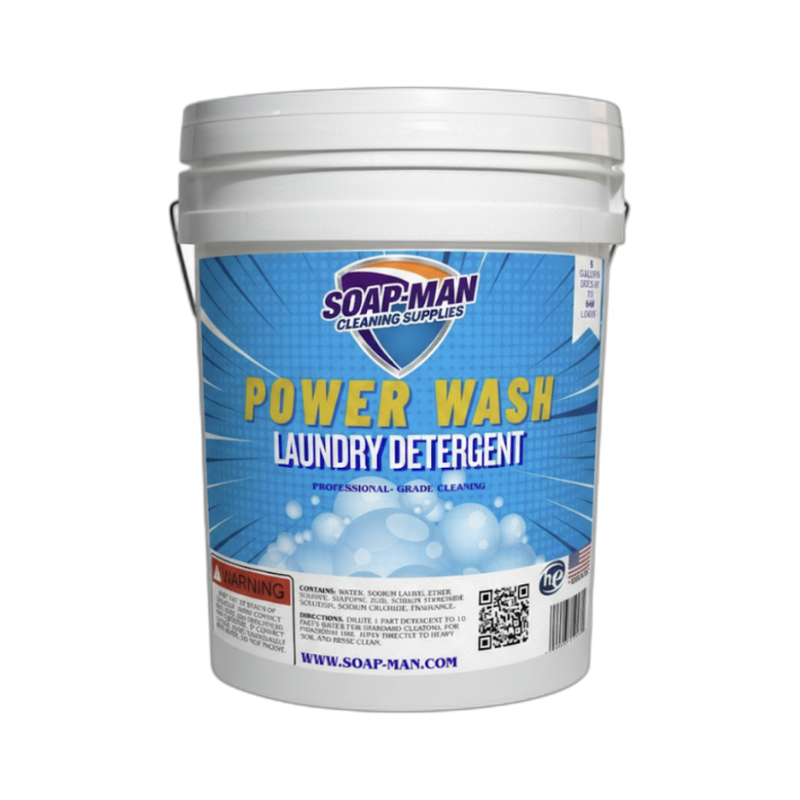
Power Wash Laundry Detergent
Commercial-grade laundry detergent with industrial-strength cleaning power. Available in 1-gallon and 5-gallon sizes.
From $68.00/case or $59.00/bucket
View product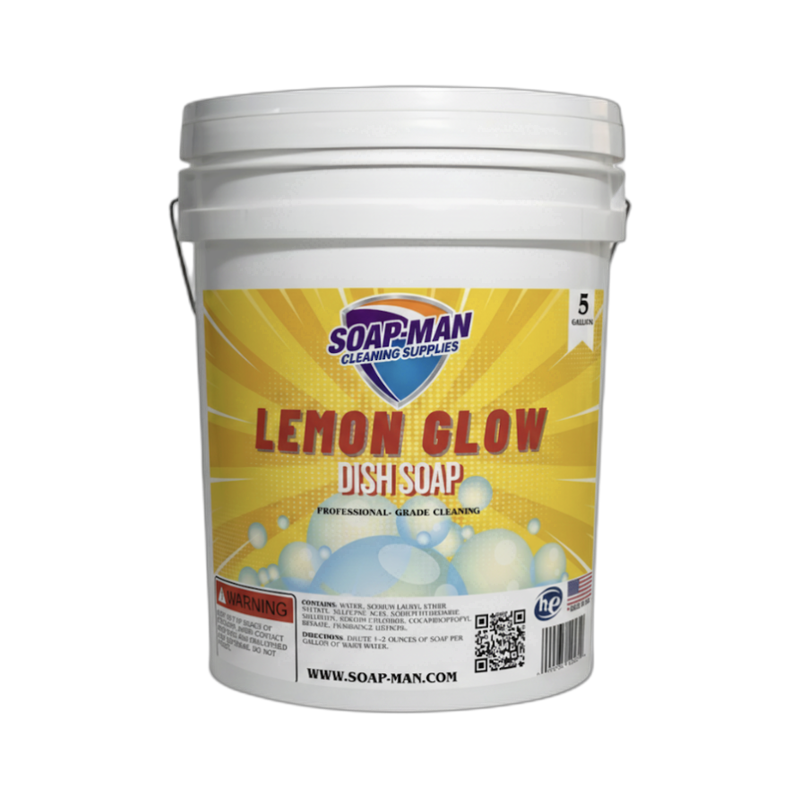
Specialty Cleaners
Lemon Glow Dish Soap
Commercial-grade lemon-scented dish soap for professional kitchen operations. Available in 1-gallon and 5-gallon sizes.
From $74.00/case or $65.00/bucket
View productOur Verdict
Use hot water for grease, sanitizing, and tough jobs. Cold water for laundry, protein stains, and energy savings. Modern detergents are designed to work in cold water for most clothing.
Choose Hot Water when: Greasy dishes, oil stains, sanitizing, sticky messes, and tough cleaning jobs.
Choose Cold Water when: Most laundry, protein stains (blood, sweat), delicate fabrics, and energy savings.
Frequently Asked Questions
Need cleaning supplies? Shop Soap-Man Products