Wet Vacuum (Wet-Dry Vac) vs Traditional Mop: Which Should You Use?
Wet vacuum vs mop: which cleans floors better? Compare deep cleaning power, drying time, cost, and ideal use cases for homes and businesses.
Quick Verdict
Wet vacuums provide superior floor cleaning by extracting dirty water instead of spreading it around. For any commercial environment where floor hygiene and safety matter, a wet vacuum is the better investment. Traditional mops still make sense for small areas, tight spaces, and budget-limited operations.
Side-by-Side Comparison
Wet Vacuum (Wet-Dry Vac)
Pros
- Simultaneously washes and extracts dirty water for deeper cleaning
- Floors dry much faster since moisture is extracted
- Handles liquid spills that mops cannot absorb efficiently
- Better hygiene since dirty water is removed rather than spread
Cons
- Higher upfront cost ($100-400 for quality models)
- Requires emptying dirty water tank regularly
- Heavier and bulkier than a mop
- Noisier operation than manual mopping
Best For
Commercial floor cleaning, handling liquid spills, deep floor cleaning, and any surface where fast drying is critical for safety.
Traditional Mop
Pros
- Very low upfront cost and simple operation
- Works on any floor surface with the right solution
- No electricity or batteries required
- Easy to store and transport between areas
Cons
- Spreads dirty water around rather than extracting it
- Floors remain wet for 15-30+ minutes creating slip hazards
- Mop heads harbor bacteria between washes
- Less effective at truly deep cleaning floors
Best For
Budget cleaning operations, small areas, spot cleaning, and situations where power outlets are unavailable.
When to Use Wet Vacuum (Wet-Dry Vac)
Use a wet vacuum for commercial floor maintenance, restaurant floors, retail spaces, and anywhere that requires fast dry times to prevent slip hazards. Also excellent for flood cleanup and liquid spill response.
When to Use Traditional Mop
Use a traditional mop for small areas, tight spaces behind equipment, touch-up cleaning between wet vacuum sessions, and operations where noise levels must be minimal.
Buying cleaning supplies for a business?
If this Wet Vacuum (Wet-Dry Vac) vs Traditional Mop decision affects a facility, kitchen, laundry room, vehicle fleet, or recurring cleaning program, Soap-Man can quote the right bulk supply mix instead of retail-size bottles.
Bulk supplies related to this guide
Turn the comparison into an order path with Soap-Man products available by case, bucket, and volume quote.
Degreasers & Multi-Surface Cleaners
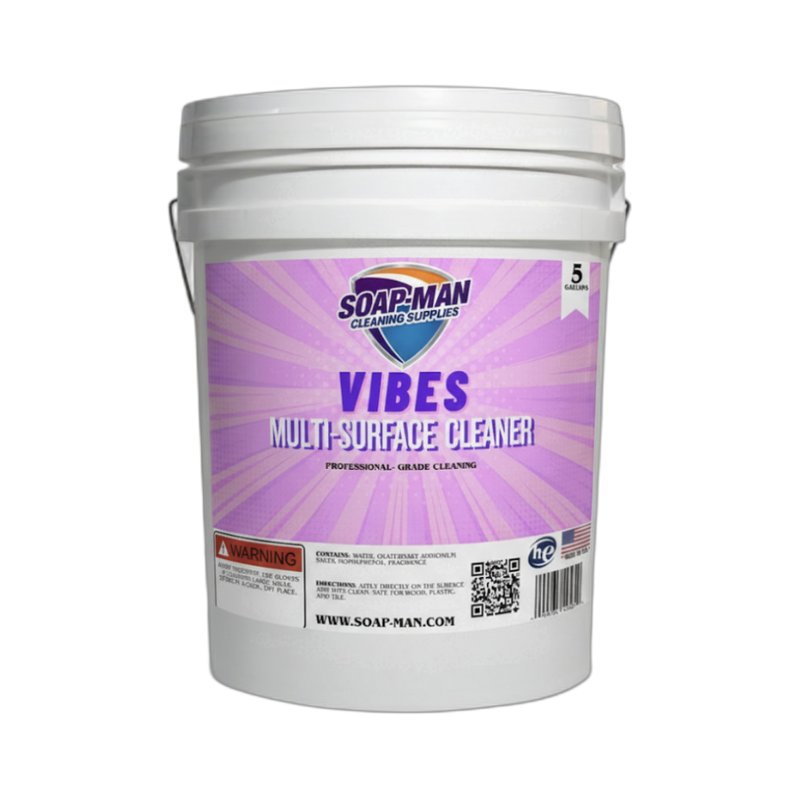
Vibes Multi-Surface Cleaner
Premium multi-surface cleaner for all commercial and household environments. Available in 1-gallon and 5-gallon sizes.
From $67.00/case or $58.00/bucket
View product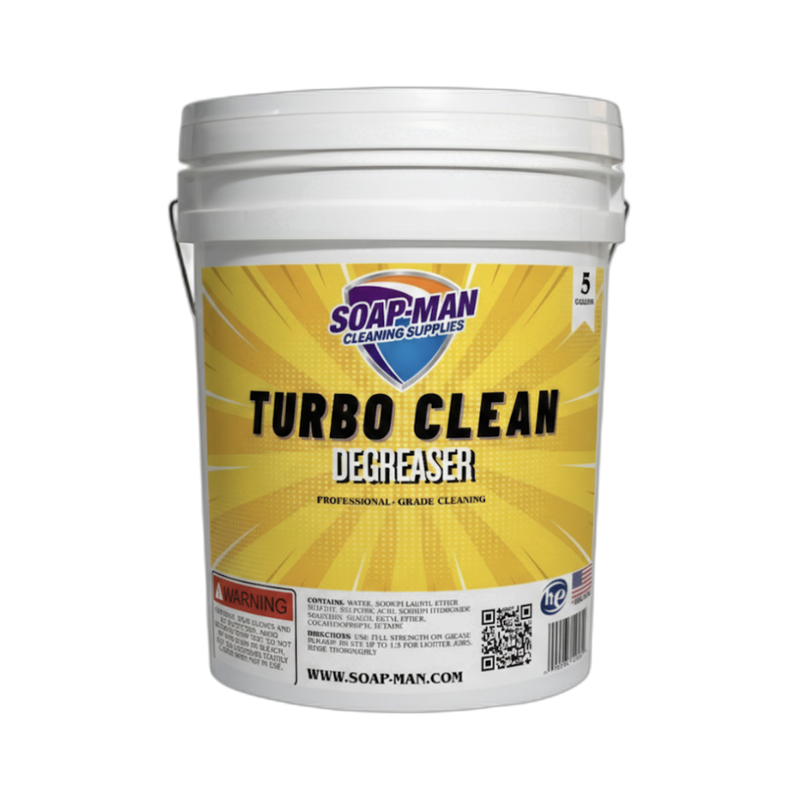
Degreasers & Multi-Surface Cleaners
Turbo Clean Degreaser
Industrial-strength degreaser for commercial kitchens and heavy-duty applications. Available in 1-gallon and 5-gallon sizes.
From $74.00/case or $65.00/bucket
View productOur Verdict
Wet vacuums provide superior floor cleaning by extracting dirty water instead of spreading it around. For any commercial environment where floor hygiene and safety matter, a wet vacuum is the better investment. Traditional mops still make sense for small areas, tight spaces, and budget-limited operations.
Choose Wet Vacuum (Wet-Dry Vac) when: Commercial floor cleaning, handling liquid spills, deep floor cleaning, and any surface where fast drying is critical for safety.
Choose Traditional Mop when: Budget cleaning operations, small areas, spot cleaning, and situations where power outlets are unavailable.
Frequently Asked Questions
Related Comparisons
Pressure Washer vs Garden Hose
Pressure washer vs garden hose: when is a pressure washer worth it? Compare cleaning power, water usage, cost, and best uses for outdoor cleaning.
Read comparisonEquipment & ToolsRobot Vacuum vs Regular Vacuum (Upright/Canister)
Robot vacuum vs regular vacuum: can a robot replace your upright? Compare cleaning power, convenience, cost, and find the right fit for your space.
Read comparisonEquipment & ToolsDyson vs Shark
Dyson vs Shark vacuum: is the premium Dyson worth double the price? An honest comparison of suction, features, durability, and real-world value.
Read comparisonNeed cleaning supplies? Shop Soap-Man Products