Windex vs Vinegar (Diluted): Which Should You Use?
Windex vs vinegar for glass cleaning: which gives a streak-free shine? Compare cost, effectiveness, and the best method for sparkling windows.
Quick Verdict
For occasional quick glass touch-ups, Windex is more convenient and slightly better at cutting through greasy fingerprints. For large-scale window cleaning and hard water spots, a vinegar solution (1:1 with water) is dramatically cheaper and nearly as effective. For commercial window cleaning, professional glass cleaner concentrate diluted in bulk is the most cost-effective option by far.
Side-by-Side Comparison
Windex
Pros
- Specifically formulated for streak-free glass cleaning
- Fast-acting formula dissolves fingerprints and smudges quickly
- Contains surfactants that prevent streaking during drying
- Convenient ready-to-use spray bottle
Cons
- Contains ammonia and chemicals that can irritate
- Creates fumes when used on large window areas
- Ongoing purchase cost adds up over time
- Not eco-friendly due to chemical content
Best For
Quick glass cleaning, mirror touch-ups, and any glass surface where maximum streak-free clarity is the goal.
Vinegar (Diluted)
Pros
- Non-toxic and safe to use around food and children
- Costs a fraction of a penny per spray
- Dissolves hard water spots that Windex may struggle with
- Environmentally friendly with no harmful fumes
Cons
- Strong vinegar smell during and after cleaning
- May not perform as well as Windex on greasy fingerprints
- Requires mixing the right dilution ratio
- Can damage natural stone window sills if dripped
Best For
Cost-conscious glass cleaning, hard water spot removal, eco-friendly home cleaning, and large-scale window washing.
When to Use Windex
Use Windex for quick mirror and glass touch-ups, cleaning display cases, TV screens (check label compatibility), and anywhere you need fast, convenient streak-free results without mixing solutions.
When to Use Vinegar (Diluted)
Use a 1:1 vinegar-water solution for large window washing, shower glass doors with hard water spots, and any high-volume glass cleaning where cost matters. Add a tablespoon of dish soap per gallon for better grease-cutting.
Buying cleaning supplies for a business?
If this Windex vs Vinegar (Diluted) decision affects a facility, kitchen, laundry room, vehicle fleet, or recurring cleaning program, Soap-Man can quote the right bulk supply mix instead of retail-size bottles.
Bulk supplies related to this guide
Turn the comparison into an order path with Soap-Man products available by case, bucket, and volume quote.
Specialty Cleaners
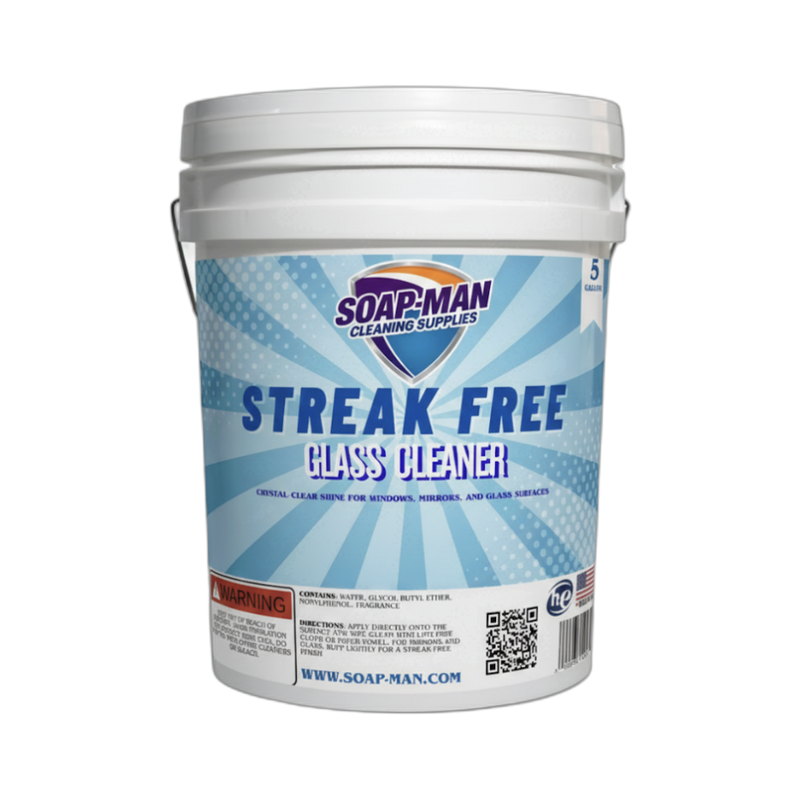
Streak Free Glass Cleaner
Professional streak-free glass and mirror cleaner for commercial use. Available in 1-gallon and 5-gallon sizes.
From $64.00/case or $56.00/bucket
View product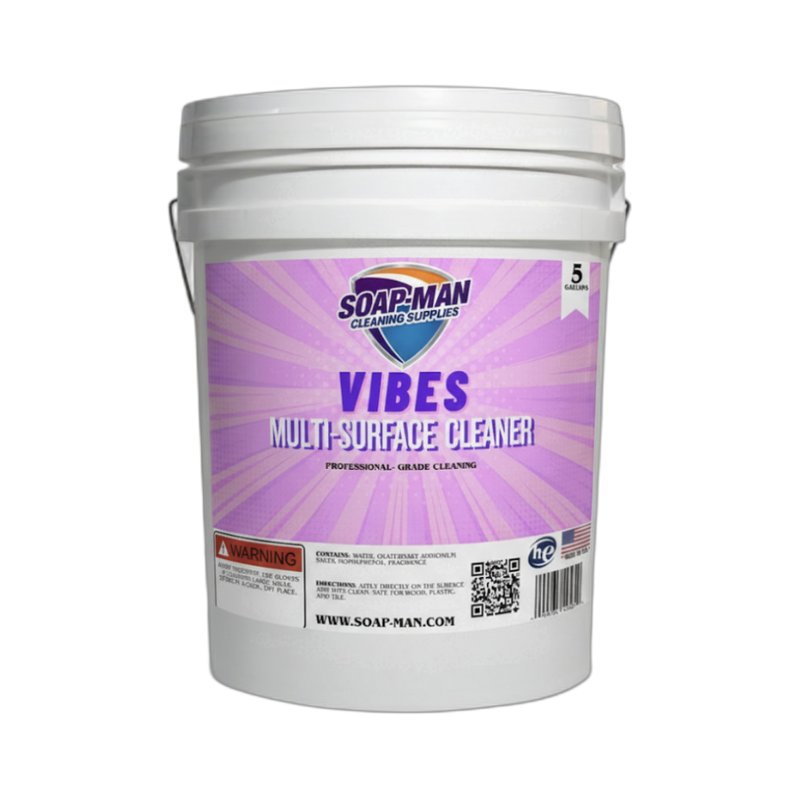
Degreasers & Multi-Surface Cleaners
Vibes Multi-Surface Cleaner
Premium multi-surface cleaner for all commercial and household environments. Available in 1-gallon and 5-gallon sizes.
From $67.00/case or $58.00/bucket
View productOur Verdict
For occasional quick glass touch-ups, Windex is more convenient and slightly better at cutting through greasy fingerprints. For large-scale window cleaning and hard water spots, a vinegar solution (1:1 with water) is dramatically cheaper and nearly as effective. For commercial window cleaning, professional glass cleaner concentrate diluted in bulk is the most cost-effective option by far.
Choose Windex when: Quick glass cleaning, mirror touch-ups, and any glass surface where maximum streak-free clarity is the goal.
Choose Vinegar (Diluted) when: Cost-conscious glass cleaning, hard water spot removal, eco-friendly home cleaning, and large-scale window washing.
Frequently Asked Questions
Need cleaning supplies? Shop Soap-Man Products