Wood-Specific Cleaner vs Multi-Surface Cleaner: Which Should You Use?
Wood-specific cleaner vs multi-surface cleaner: which should you use on wood? Compare safety and effectiveness.
Quick Verdict
Use wood-specific cleaners for wood furniture and floors. Multi-surface cleaners for everything else. The cost of replacing damaged wood furniture far exceeds the price difference of buying separate cleaners.
Side-by-Side Comparison
Wood-Specific Cleaner
Pros
- Formulated for wood surfaces
- Won't damage finishes
- Often includes conditioner
- Better for wood longevity
Cons
- More expensive
- Single-use product
- Limited to wood surfaces
- More products to store
Best For
Wood furniture, hardwood floors, wood cabinetry, and pieces requiring careful care.
Multi-Surface Cleaner
Pros
- Versatile -- works on multiple surfaces
- Cost-effective
- Convenient
- Wide availability
Cons
- May damage some wood finishes
- Less effective for wood-specific care
- Can leave residue
- Not designed for wood
Best For
General cleaning, multiple surfaces, and quick cleanup of various materials.
When to Use Wood-Specific Cleaner
Use wood-specific cleaners for hardwood floors, wood furniture, antique pieces, and any wood that needs proper care.
When to Use Multi-Surface Cleaner
Use multi-surface cleaners for non-wood surfaces, daily quick cleaning, and general household needs.
Buying cleaning supplies for a business?
If this Wood-Specific Cleaner vs Multi-Surface Cleaner decision affects a facility, kitchen, laundry room, vehicle fleet, or recurring cleaning program, Soap-Man can quote the right bulk supply mix instead of retail-size bottles.
Bulk supplies related to this guide
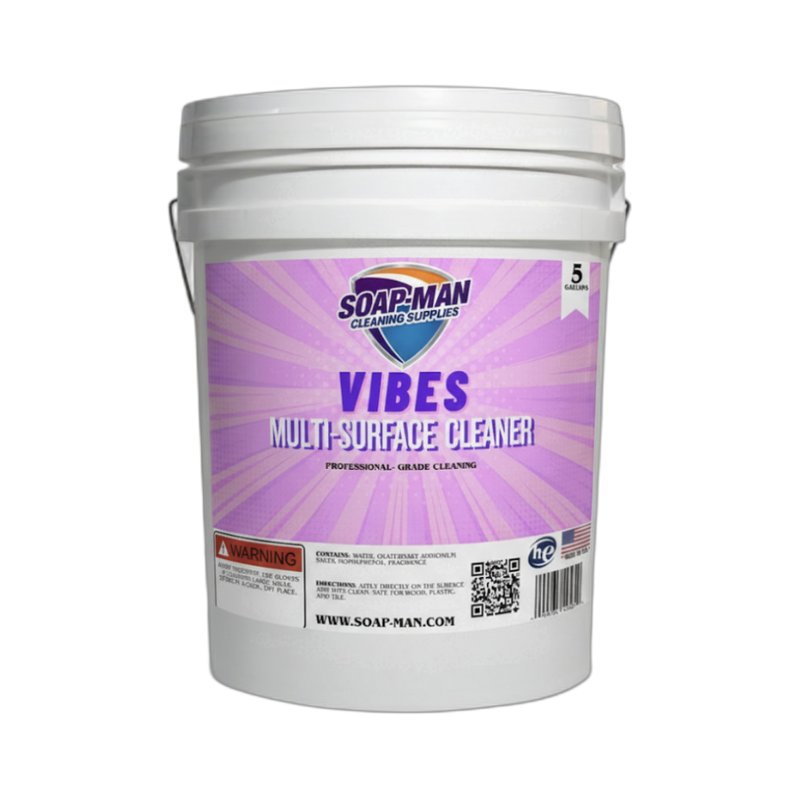
Turn the comparison into an order path with Soap-Man products available by case, bucket, and volume quote.
Our Verdict
Use wood-specific cleaners for wood furniture and floors. Multi-surface cleaners for everything else. The cost of replacing damaged wood furniture far exceeds the price difference of buying separate cleaners.
Choose Wood-Specific Cleaner when: Wood furniture, hardwood floors, wood cabinetry, and pieces requiring careful care.
Choose Multi-Surface Cleaner when: General cleaning, multiple surfaces, and quick cleanup of various materials.
Frequently Asked Questions
Related Comparisons
Cleaning Sprays vs Cleaning Wipes
Cleaning spray vs wipes: which is better? Compare cost, environmental impact, and effectiveness for everyday cleaning.
Read comparisonCleaning ProductsConcentrated Cleaner vs Ready-to-Use Cleaner
Concentrated vs ready-to-use cleaners: which offers better value? Compare cost, convenience, and dilution.
Read comparisonNeed cleaning supplies? Shop Soap-Man Products