
Why Hats Get So Dirty
Your forehead is one of the highest-sweat areas on your body. A hat sits directly on that sweat zone for hours, absorbing salt, oils, and skin cells into the fabric and brim. Over time, a visible tide line forms on the inner band — that yellowish-brown ring is a combination of dried perspiration salt, sebum, and dead skin. The exterior collects dust, pollen, airborne grease, and sunscreen residue from your hands. Different hat materials require different cleaning approaches because water and agitation that work fine on cotton can destroy straw, felt, or structured brims.
What You'll Need
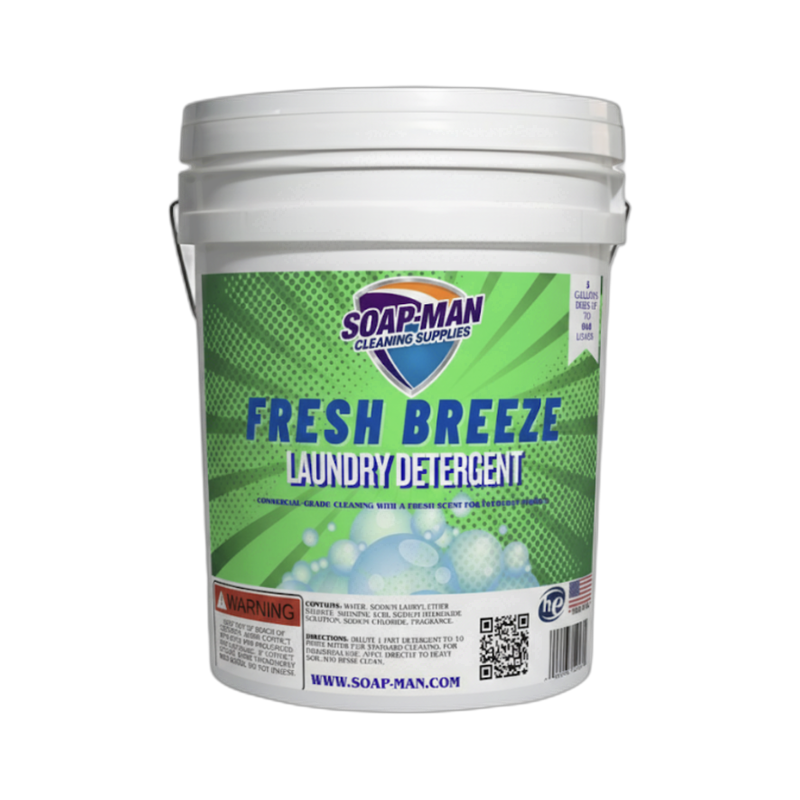
- Mild laundry detergent — Fresh Breeze Laundry Detergent works well diluted for spot cleaning.
- Baking soda — for sweat stain pre-treatment.
- Soft-bristled toothbrush — for scrubbing sweatbands and stains.
- Clean white towel
- Spray bottle with cool water
- Small bowl for mixing cleaning solution
- Hat form, inflated balloon, or coffee can — to hold shape while drying.
Step-by-Step: How to Clean a Hat
Step 1: Identify the Material and Check the Label
Before anything else, figure out what your hat is made of and check for a care label inside. Cotton and polyester baseball caps are the most forgiving and can handle hand-washing with water and detergent. Wool felt hats (fedoras, dress hats) need dry methods — water causes wool to shrink and lose its shape. Straw hats can handle light moisture but will warp if soaked. Vintage or structured caps with cardboard brims (common in hats made before 1983) cannot be submerged at all because the cardboard disintegrates. If the brim bends easily and stays bent, it is likely cardboard. Modern caps use plastic brims that can handle water.
Step 2: Pre-Treat the Sweatband
The inner sweatband carries the heaviest staining. Make a paste of baking soda and a few drops of water. Spread the paste directly on the sweatband stain line with your fingers or an old toothbrush. Let it sit for 20 minutes. The baking soda absorbs oils and breaks down the protein-based sweat stains. For particularly stubborn yellow rings, spray the band with a mix of one part white vinegar and two parts water before applying the baking soda paste — the fizzing reaction helps lift set-in stains. After 20 minutes, brush the dried paste away with the toothbrush.
Step 3: Hand-Wash or Spot-Clean
For cotton and polyester caps: fill a bowl with cool water and a half-teaspoon of Fresh Breeze Laundry Detergent. Dip the toothbrush into the solution and scrub the exterior in gentle circles, working on one panel at a time. Dip the hat into the bowl to rinse, then repeat on dirty areas. For wool felt: use a lint brush or soft horsehair brush to remove surface dust. For stubborn marks, dampen a cloth with cool water (barely damp, not wet) and blot — never rub — the mark. For straw hats: wipe the exterior with a damp cloth and a touch of mild soap. Rinse the cloth and wipe again to remove residue.
Step 4: Reshape and Air-Dry
Proper drying is where most people ruin their hats. Place the hat on a form that matches its crown shape — a coffee can, balled-up towel, or inflated balloon works for baseball caps. For wide-brim hats, set them upside down on the crown so the brim hangs freely without bending. Stuff the crown loosely with a clean white towel to absorb interior moisture and maintain shape. Air-dry at room temperature away from direct sunlight and heat sources. Sunlight fades colors and heat warps brims. Drying takes 24 hours for thick materials. Never use a clothes dryer for any hat — the tumbling and heat guarantee shrinkage and deformation.
Pro Tips
- Prevent sweat stains with hat liners. Disposable adhesive hat liners stick to the inner sweatband and absorb perspiration before it reaches the fabric. Swap them every few wears and the sweatband stays clean indefinitely.
- Never put a hat in the dishwasher. This popular internet hack exposes your hat to extreme heat, harsh dishwasher detergent chemicals, and water jets that distort the brim and crown. It also deposits food residue and rinse-aid chemicals on the fabric.
- Brush wool and felt hats after every wear. A quick brushing removes dust and lint before they embed into the fibers. Always brush counterclockwise — this follows the natural nap direction on most felt hats and keeps the surface smooth.
FAQ
Can I put a baseball cap in the washing machine?
Only if it has a plastic brim (bend it to check — plastic springs back, cardboard stays bent) and is made of cotton or polyester. Use cold water, gentle cycle, and place the cap in a mesh laundry bag or cap cage to protect the shape. Skip the dryer entirely and air-dry on a form. For valuable or vintage caps, hand-washing is always safer.
How do I get the smell out of a hat?
Odor comes from bacteria feeding on sweat residue in the sweatband. Spray the interior with a 50/50 mix of white vinegar and water, which kills odor-causing bacteria. Let it air-dry completely. For persistent odor, seal the hat in a bag with a cup of baking soda overnight — the baking soda absorbs trapped odors without direct contact with the fabric.
How often should I clean my hat?
If you wear a hat daily, spot-clean the sweatband weekly and do a full cleaning once a month. Seasonal hats should be cleaned before storage. If a visible sweat ring has formed, you have waited too long — clean it immediately before the salts permanently stain the fabric.
My hat shrank after washing. Can I fix it?
For cotton caps, dampen the hat lightly and stretch it over a form slightly larger than your head size — a mixing bowl or pot works. Hold it in place while it dries and it may stretch back. For wool felt, steam the hat gently over boiling water and stretch by hand while the fibers are pliable. Prevention is easier than repair — always use cool water and air-dry.