
Why Vinegar Works as a Cleaner
White distilled vinegar is roughly 5% acetic acid and 95% water. That modest acid concentration is what makes it such an effective all-purpose cleaner. The acetic acid dissolves mineral deposits, cuts through grease, kills most bacteria and mold, and deodorizes surfaces — all without the harsh chemicals found in many commercial cleaners.
As cleaning professionals, we use vinegar regularly as part of our toolkit. It's not a replacement for every cleaning product — there are situations where you need something stronger, more targeted, or specifically formulated for the task. But for a huge range of everyday cleaning jobs, vinegar is remarkably effective, safe, and cheap.
Here are 50 proven uses for white vinegar around your home and business, organized by area. We've also included a critical section at the end on what you should never clean with vinegar — because using it on the wrong surface can cause real damage.
Kitchen Cleaning (1-15)
1. Descale a Coffee Maker
Fill the water reservoir with equal parts white vinegar and water. Run a full brew cycle, then run 2-3 cycles of plain water to flush the vinegar. This removes mineral buildup that affects taste and brewing speed. Do this monthly for the best coffee.
2. Clean the Microwave
Fill a microwave-safe bowl with 1 cup of water and 2 tablespoons of vinegar. Microwave on high for 5 minutes. The steam loosens caked-on food splatters. Let it sit for 2 minutes (don't open the door — the steam is still working), then wipe the interior clean with a cloth. Everything comes off effortlessly.
3. Deodorize Cutting Boards
Wipe cutting boards with undiluted white vinegar after washing. The acid kills bacteria and neutralizes odors from onions, garlic, and raw meat. Let it sit for 5 minutes, then rinse. Works on both wood and plastic boards.
4. Clean the Dishwasher
Place a cup of vinegar on the top rack of an empty dishwasher and run a hot cycle. Dissolves mineral deposits, cuts grease buildup, and eliminates odors. Do this monthly. (For a complete guide, see our dishwasher cleaning article.)
5. Remove Hard Water Stains from Faucets
Soak a cloth in white vinegar and wrap it around the faucet. Let it sit for 30-60 minutes, then scrub with a toothbrush and rinse. The white mineral deposits dissolve completely. For stubborn buildup, use undiluted vinegar and extend the soak time.
6. Clean Stainless Steel Sinks
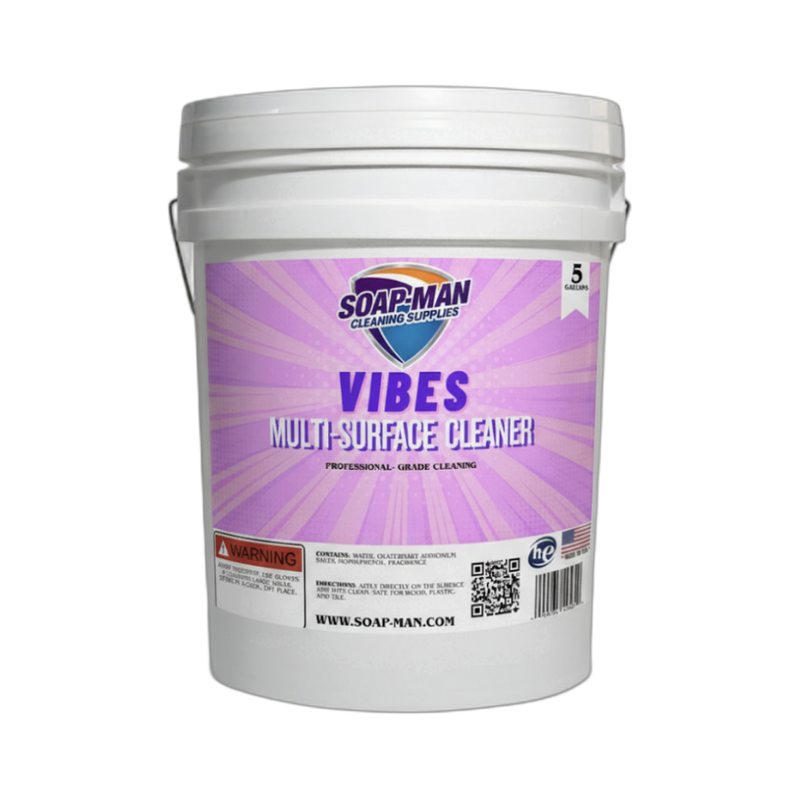
Spray undiluted vinegar across the sink surface. Sprinkle baking soda over it and scrub with a soft brush as it fizzes. Rinse with hot water. This combination removes stains, water spots, and odors. For daily stainless steel maintenance, a quality multi-surface cleaner like Vibes Multi-Surface Cleaner is more convenient.
7. Degrease Stovetop Grates
Soak cast iron or steel stove grates in a 50/50 mix of vinegar and water for 30 minutes. Scrub with a brush and rinse. For heavy grease, Turbo Clean Degreaser is more effective, but vinegar handles light to moderate buildup well.
8. Clean the Inside of a Kettle
Fill the kettle with equal parts vinegar and water. Bring to a boil, then let it sit for an hour. Rinse several times with fresh water. The limescale disappears completely. This works on electric and stovetop kettles alike.
9. Freshen a Garbage Disposal
Pour half a cup of baking soda into the disposal, followed by 1 cup of vinegar. Let it fizz for 10 minutes, then flush with hot water while running the disposal. This breaks down food buildup and eliminates odors. For extra freshness, grind a few ice cubes and lemon peels afterward.
10. Remove Grease from Kitchen Cabinets
Mix equal parts vinegar and water in a spray bottle. Spray onto greasy cabinet surfaces and wipe with a microfiber cloth. For heavy kitchen grease buildup, vinegar may not be strong enough — step up to Turbo Clean Degreaser for cabinets near the stove.
11. Clean a Blender
Fill the blender halfway with warm water, add a tablespoon of vinegar, and blend on high for 30 seconds. Rinse. This cleans the blades and removes odors without disassembling the unit.
12. Shine Glassware
Add a cup of vinegar to a basin of warm water and soak cloudy glasses for 15-30 minutes. The vinegar dissolves mineral deposits that cause cloudiness. Rinse and dry with a lint-free cloth for crystal-clear results.
13. Clean a Burnt Pan
Fill the burnt pan with equal parts water and vinegar. Bring to a boil, remove from heat, and add 2 tablespoons of baking soda. Let it sit until cool, then scrub. The combination loosens even severely burnt food without damaging the pan surface.
14. Disinfect Sponges
Soak kitchen sponges in undiluted vinegar for 5 minutes. Rinse and squeeze dry. This kills most bacteria and extends the life of the sponge. Do this daily — kitchen sponges are one of the most bacteria-laden items in any home.
15. Clean the Refrigerator Interior
Mix equal parts vinegar and water in a spray bottle. Remove all food, spray shelves and drawers, and wipe clean. Vinegar removes food stains and odors without leaving chemical residues that could contaminate food. Rinse with a damp cloth.
Bathroom Cleaning (16-25)
16. Remove Showerhead Mineral Deposits
Fill a plastic bag with undiluted vinegar and secure it over the showerhead with a rubber band, submerging the head completely. Leave overnight. In the morning, remove the bag and run hot water through the showerhead for a minute. Blocked spray holes open right up.
17. Clean Toilet Bowl Stains
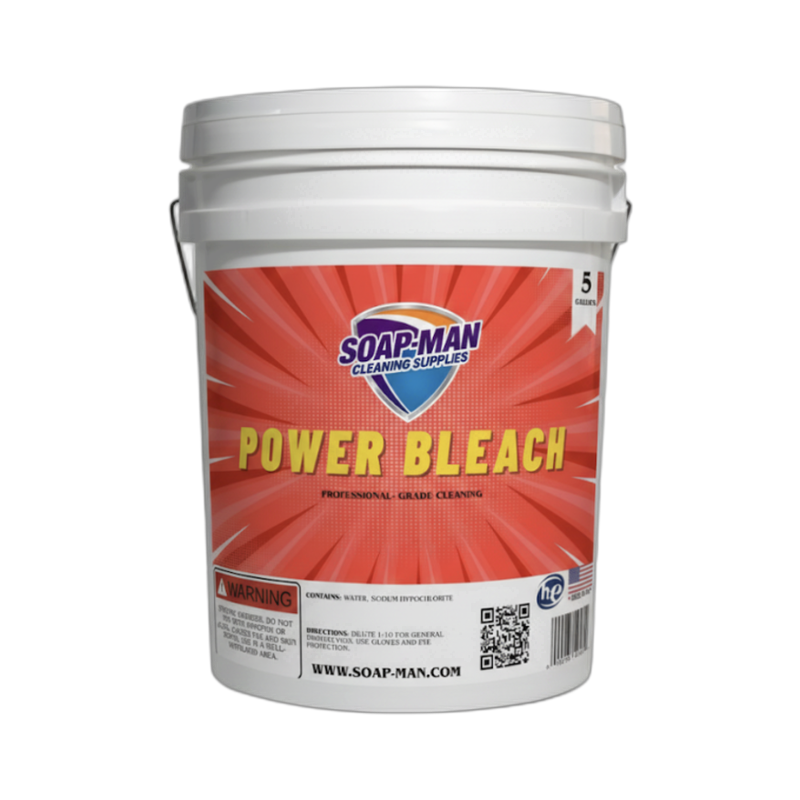
Pour 2 cups of vinegar into the toilet bowl. Let it sit for an hour (or overnight for tough stains). Scrub with a toilet brush and flush. For heavy stains, add baking soda and scrub while it fizzes. For serious disinfection, Power Bleach is the stronger choice — but never mix bleach with vinegar.
18. Remove Soap Scum from Glass Shower Doors
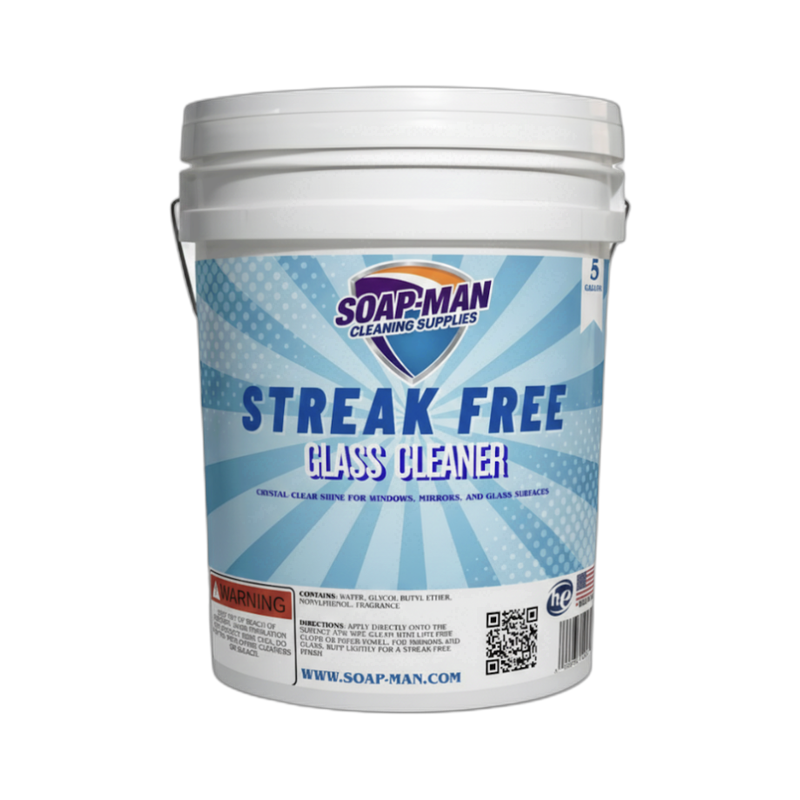
Spray undiluted vinegar onto the glass. Let it sit for 10-15 minutes. Scrub with a non-abrasive pad and rinse. For heavy soap scum, heat the vinegar slightly in the microwave before spraying — warm vinegar works faster. Follow up with Streak Free Glass Cleaner for a perfectly clear finish.
19. Clean Tile Grout
Make a paste of baking soda and vinegar. Apply to grout lines with an old toothbrush. Let it sit for 10 minutes, then scrub and rinse. This lifts dirt and mildew from grout without harsh chemicals. For mold in grout, vinegar alone often isn't strong enough — you may need a bleach-based solution.
20. Descale Bathroom Faucets
Same technique as kitchen faucets (item 5). Soak a cloth in vinegar, wrap the faucet, wait 30-60 minutes, scrub with a toothbrush. The mineral deposits dissolve completely.
21. Clean the Bathtub
Spray the entire tub surface with undiluted vinegar. Let it sit for 15 minutes. Sprinkle baking soda and scrub with a brush. Rinse with hot water. This removes soap scum, body oils, and water stains effectively. For an acrylic tub, make sure to rinse thoroughly — prolonged vinegar contact on acrylic isn't ideal.
22. Remove Mirror Spots
Mix equal parts vinegar and water in a spray bottle. Spray the mirror and wipe with a lint-free cloth or newspaper. For a spotless finish, follow up with Streak Free Glass Cleaner.
23. Deodorize Drains
Pour half a cup of baking soda down the drain, followed by half a cup of vinegar. Cover the drain for 10 minutes while it fizzes. Flush with boiling water. This breaks down buildup and eliminates drain odors.
24. Clean Toothbrush Holders
Soak toothbrush holders in undiluted vinegar for 30 minutes. Scrub with a bottle brush and rinse. The bottom of toothbrush holders accumulates a surprising amount of bacteria and grime.
25. Remove Water Rings from Countertops
For water stains on laminate or tile countertops, apply undiluted vinegar, let it sit for 5 minutes, then wipe. Do not use vinegar on natural stone countertops (marble, granite) — the acid damages the surface.
Laundry Uses (26-33)
26. Brighten White Clothes
Add 1 cup of white vinegar to the rinse cycle when washing whites. The acetic acid dissolves detergent residue and mineral deposits that make whites look dingy. For serious whitening power, pair with your regular laundry detergent — Power Wash Laundry Detergent combined with a vinegar rinse delivers exceptionally bright results.
27. Remove Sweat Stains from Shirts
Spray undiluted vinegar onto the stained area before washing. Let it sit for 10-15 minutes, then wash as normal. For old, set-in yellow stains, make a paste of baking soda and vinegar, apply to the stain, let it sit for an hour, then wash.
28. Eliminate Laundry Odors
Add half a cup of vinegar to the rinse cycle. This neutralizes odors from workout clothes, musty towels, and clothes that sat wet too long. The vinegar smell dissipates completely during drying.
29. Clean the Washing Machine
Run an empty hot-water cycle with 2 cups of vinegar and no detergent. This removes detergent buildup, mineral deposits, and bacteria from the drum, hoses, and pump. Do this monthly. (For a complete guide, see our washing machine cleaning article.)
30. Soften Clothes Naturally
Add half a cup of vinegar to the fabric softener dispenser. It softens clothes without the chemical coating of traditional fabric softeners and is great for people with sensitive skin. For maximum softness, Soft Touch Fabric Softener is purpose-built for the job, but vinegar is a solid natural alternative.
31. Remove Wrinkles
Mix equal parts vinegar and water in a spray bottle. Lightly mist wrinkled garments and smooth by hand or hang to dry. The vinegar relaxes the fabric fibers. Not as effective as an iron, but great for quick touch-ups.
32. Prevent Color Fading
Soak new, brightly colored garments in a basin of cold water with 1 cup of vinegar for 15 minutes before the first wash. The vinegar helps set the dye and reduces bleeding. Also add half a cup to subsequent washes to maintain color vibrancy.
33. Remove Detergent Residue from Clothes
If your clothes feel stiff or have a soapy feel, add 1 cup of vinegar to the rinse cycle. It dissolves leftover detergent that wasn't fully rinsed out, leaving clothes softer and cleaner.
Around the House (34-43)
34. Clean Windows
Mix equal parts vinegar and water in a spray bottle. Spray windows and wipe with a lint-free cloth or squeegee. Works well for everyday cleaning. For a truly professional streak-free finish, Streak Free Glass Cleaner is formulated specifically for this job.
35. Remove Carpet Stains
Mix 2 tablespoons of vinegar with 1 tablespoon of dish soap and 2 cups of warm water. Blot (don't rub) the stain with the solution using a clean cloth. Rinse with cold water and blot dry. Works on most food, drink, and pet stains.
36. Deodorize Pet Areas
Spray a 50/50 vinegar-water solution on pet bedding, crate surfaces, and areas where pet odors linger. The acid neutralizes the organic compounds that cause pet smells. Let it dry naturally. Safe for pets once dry.
37. Clean Hardwood Floors
Mix half a cup of vinegar per gallon of warm water. Damp-mop (not wet-mop) hardwood floors. The vinegar cuts through dirt and leaves no residue. Use sparingly — too much water of any kind can damage wood floors. Important: do not use vinegar on waxed hardwood — the acid strips the wax.
38. Remove Stickers and Adhesive Residue
Soak the sticker or residue with undiluted vinegar. Let it sit for 10-15 minutes. The vinegar dissolves the adhesive, making stickers and labels easy to peel or scrape off. Works on glass, plastic, and most hard surfaces.
39. Clean Blinds and Shutters
Mix equal parts vinegar and water. Dip a cloth or old sock in the solution and wipe each slat individually. This removes dust, grime, and cooking grease that accumulates on window coverings.
40. Freshen a Room
Set out a small bowl of white vinegar in a room with lingering odors (cooking, smoke, paint fumes). The vinegar absorbs and neutralizes airborne odor molecules. Leave overnight and remove in the morning. The vinegar smell dissipates once you pour it out.
41. Clean Paintbrushes
Soak stiff, dried paintbrushes in hot vinegar for 30 minutes to an hour. The acetic acid softens dried paint. Comb through the bristles and rinse. This works best on water-based paints.
42. Remove Crayon from Walls
Dip a toothbrush in undiluted vinegar and scrub crayon marks gently. The acid breaks down the wax in crayons. Follow with a damp cloth to wipe clean. Test in an inconspicuous area first, as vinegar can affect some paint finishes.
43. Clean Small Appliance Exteriors
Spray a 50/50 vinegar-water solution on toasters, stand mixers, and other countertop appliances. Wipe with a microfiber cloth. Cuts through kitchen grease and fingerprints effectively. For stainless steel appliances, wipe in the grain direction.
Outdoor and Miscellaneous Uses (44-50)
44. Kill Weeds on Driveways and Walkways
Spray undiluted vinegar directly on weeds growing in cracks in driveways, sidewalks, and patios. The acetic acid kills most small weeds within 24-48 hours. Reapply for stubborn weeds. Only use on hard surfaces — vinegar will kill any plant it contacts, including lawn grass.
45. Clean Outdoor Furniture
Spray plastic, resin, or metal outdoor furniture with a 50/50 vinegar-water solution. Wipe clean. For mildewed cushions, spray undiluted and let sit in the sun for an hour before wiping. Don't use on natural wood outdoor furniture without sealing it afterward.
46. Clean Car Windshield Wiper Blades
Wipe blades with a cloth soaked in undiluted vinegar. This removes dirt, road grime, and tree sap that causes streaking. Clean blades last longer and wipe clearer. For the car itself, Laser Clean Car Wash Shampoo is the right tool for the body and glass.
47. Remove Water Stains from Vases
Fill the vase with undiluted vinegar and let it sit for a few hours (or overnight for heavy deposits). The mineral rings dissolve completely. Rinse, scrub if needed, and dry. Works on glass and ceramic vases.
48. Clean Garden Tools
Soak rusty or dirty garden tools in undiluted vinegar for 30 minutes to several hours, depending on severity. Scrub with a wire brush and rinse. The vinegar dissolves rust and dirt. Dry immediately and oil the metal to prevent new rust.
49. Disinfect Kids' Toys
Wipe hard plastic toys with undiluted vinegar. For smaller toys, soak in a basin of equal parts vinegar and water for 15 minutes, then rinse and air dry. This kills most germs without leaving chemical residues that kids might put in their mouths.
50. Clean and Deodorize Lunch Boxes
Wipe the interior of lunch boxes and food containers with a cloth dampened in undiluted vinegar. Leave open overnight to air out. This removes food stains and the lingering smells that build up over time.
8 Things You Should NEVER Clean with Vinegar
Vinegar is versatile, but it's an acid — and acid damages certain materials permanently. Never use vinegar on these surfaces.
1. Natural Stone (Marble, Granite, Travertine, Limestone)
The acid in vinegar etches natural stone, creating dull spots and permanent damage. Use a pH-neutral stone cleaner instead. This is one of the most common and expensive vinegar mistakes people make.
2. Hardwood Floors (Waxed)
Vinegar strips wax finishes from hardwood floors. If your floors are waxed (as opposed to polyurethane-sealed), don't use vinegar. For polyurethane-sealed hardwood, a very diluted vinegar solution is generally safe, but check with your flooring manufacturer.
3. Cast Iron
Extended vinegar contact dissolves cast iron seasoning and can etch the metal itself. Brief exposure during rust removal is fine (see our cast iron cleaning guide), but never soak cast iron in vinegar for more than a few hours.
4. Electronic Screens
Phone screens, TV screens, laptop screens, and monitors have oleophobic (oil-repelling) coatings that vinegar will strip. Use a dry or slightly damp microfiber cloth instead. For stubborn smudges, use a screen-specific cleaner.
5. Egg Spills
Vinegar makes egg messes worse, not better. The acid causes egg proteins to coagulate (think: poached eggs), making the spill gummier and harder to clean. Clean egg spills with cold water first, then soap.
6. Pearls and Precious Metals (Some)
Vinegar dissolves pearls (they're calcium carbonate), and extended exposure can damage certain precious metals and their finishes. Keep vinegar away from jewelry.
7. Rubber Gaskets and Seals
Prolonged or frequent vinegar exposure can degrade rubber gaskets over time. Occasional use (like a monthly dishwasher cycle) is fine, but don't use vinegar to clean rubber gaskets directly on a regular basis.
8. Anything Alongside Bleach
Never mix vinegar with bleach. The combination creates chlorine gas, which is toxic and potentially lethal. If you've used bleach on a surface, rinse it completely with water before applying vinegar, or better yet — choose one or the other, not both.
When to Use Vinegar vs. Commercial Cleaners
Vinegar is excellent for maintenance cleaning, deodorizing, descaling, and light sanitizing. But it has limitations. Here's when to reach for something stronger.
- Heavy grease: Vinegar handles light grease, but for kitchen hoods, commercial stovetops, or baked-on grease, Turbo Clean Degreaser is purpose-built for the job.
- Serious disinfection: Vinegar kills most bacteria but isn't EPA-registered as a disinfectant. For bathrooms, sick rooms, or commercial sanitizing, Power Bleach or an EPA-registered disinfectant is the safer choice.
- Multi-surface daily cleaning: For your everyday spray-and-wipe across counters, desks, and appliances, a dedicated multi-surface cleaner like Vibes Multi-Surface Cleaner is faster, more effective, and smells better than a vinegar solution.
- Glass and mirrors: Vinegar works for glass, but for a truly streak-free professional finish, Streak Free Glass Cleaner is formulated to evaporate cleanly without any residue.
Frequently Asked Questions
What type of vinegar should I use for cleaning?
White distilled vinegar at 5% acidity is the standard for cleaning. Don't use apple cider vinegar, balsamic, wine vinegar, or any flavored vinegar — they contain sugars and compounds that leave sticky residue. You can find cleaning-strength vinegar (6-10% acidity) at some stores, which is more effective but also more likely to damage sensitive surfaces.
Does vinegar actually disinfect?
Vinegar kills many common bacteria (including E. coli and Salmonella) and most mold species. However, it doesn't kill all pathogens and isn't effective against certain viruses. It's adequate for everyday kitchen and bathroom sanitizing but shouldn't be relied upon for medical-grade disinfection.
How do I get rid of the vinegar smell?
The vinegar smell dissipates naturally as the surface dries — usually within 30-60 minutes. Adding a few drops of essential oil (lemon, lavender, tea tree) to your vinegar-water spray can mask the smell during cleaning. Good ventilation speeds up the process.
Can I mix vinegar and baking soda?
You can, and the fizzing reaction is useful for loosening debris in drains, pans, and grout. However, chemically speaking, vinegar (acid) and baking soda (base) neutralize each other — the end result is basically salt water. The fizzing action is what does the work, not the chemical solution. For actual cleaning power, they're more effective used separately.
Is cleaning vinegar different from cooking vinegar?
Yes. Cleaning vinegar is typically 6% acidity (compared to 5% for standard white vinegar), making it about 20% stronger. Some stores also sell industrial-strength vinegar at 10-30% acidity — wear gloves with these and use in well-ventilated areas. Standard 5% white vinegar is fine for all 50 uses listed above.
How long does a gallon of cleaning vinegar last?
Vinegar has an almost indefinite shelf life because the acid prevents bacterial growth. A gallon used for weekly cleaning typically lasts 2-3 months for a single household. Store in a cool, dark place. No refrigeration needed.
Can I use vinegar in a steam mop?
Check your steam mop's manual first. Some manufacturers warn against vinegar because the acid can damage internal components and seals over time. If your manual approves it, add half a cup of vinegar per tank of water. If not, stick to the manufacturer's recommended cleaning solution or plain water.