
Understanding Aluminum Oxidation
Aluminum is one of the most common metals in homes — cookware, window frames, siding, outdoor furniture, gutters, and wheels are all frequently made from aluminum. When aluminum is new, it's bright and silvery. Over time, it develops a dull, chalky, grayish-white coating called aluminum oxide. This is the metal's natural response to air and moisture — it's actually a protective layer that prevents deeper corrosion.
The challenge is that while aluminum oxide protects the metal, it looks terrible. It also attracts dirt, making aluminum surfaces look permanently grimy. The good news is that aluminum cleans up easily with mild acids (vinegar, lemon juice, cream of tartar) that dissolve the oxide layer without damaging the underlying metal. The process is straightforward once you know which approach works for each type of aluminum surface.
What You'll Need
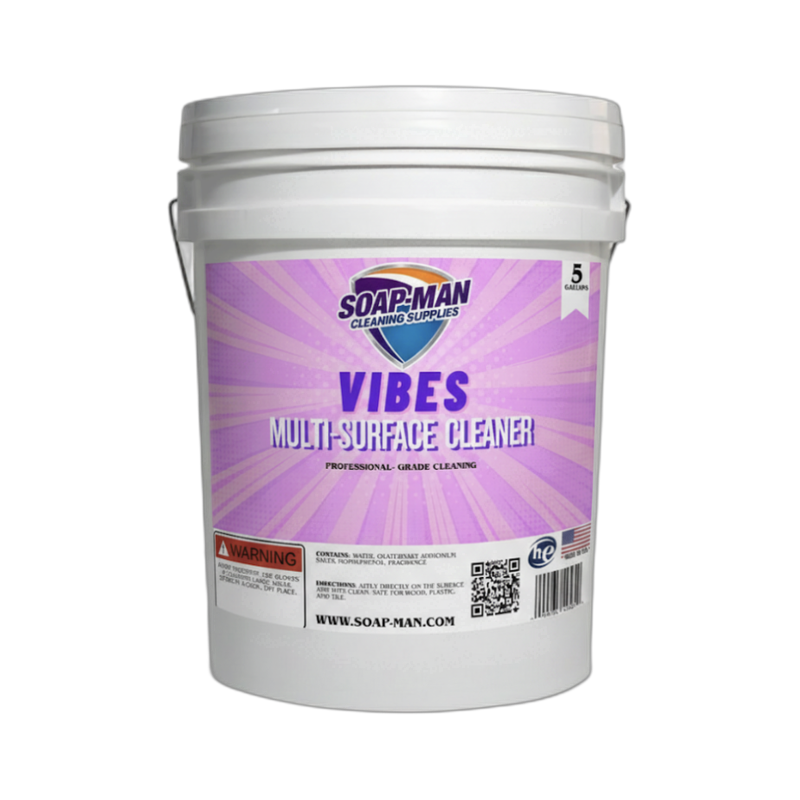
- Multi-surface cleaner — Vibes Multi-Surface Cleaner for general aluminum surface cleaning and daily maintenance.
- White vinegar — dissolves aluminum oxide and mineral deposits.
- Lemon juice — natural acid for cookware and small items.
- Cream of tartar — excellent for restoring aluminum cookware.
- Baking soda — gentle abrasive for stubborn oxidation.
- Soft cloths and non-abrasive sponges
- Fine steel wool (0000 grade) or non-scratch scrubbing pad — for heavy oxidation only.
- Car wax or paste wax — for protecting outdoor aluminum after cleaning.
Step-by-Step: How to Clean Aluminum
Step 1: Identify the Type of Aluminum
Bare (uncoated) aluminum is what you find on most cookware, bare window frames, and some outdoor furniture. It oxidizes freely and needs the acid-based cleaning approach. Anodized aluminum has a hardened oxide coating applied in manufacturing — it's darker, smoother, and more durable. It needs gentler cleaning (just soap and water, no acids). Painted or powder-coated aluminum (most modern siding and furniture) has a colored coating over the metal — clean the coating, not the metal, using a multi-surface cleaner.
Step 2: For Aluminum Cookware — Cream of Tartar or Vinegar
Fill the discolored pot or pan with water. Add 2 tablespoons of cream of tartar per quart of water (or substitute white vinegar at a 1:1 ratio with water). Bring to a boil and simmer for 15 minutes. The acid dissolves the oxidation and discoloration from the inside of the cookware. Dump the solution, let the cookware cool slightly, and scrub gently with a non-abrasive sponge. Rinse and dry. The aluminum should look noticeably brighter. For the exterior of pots and pans, make a paste of cream of tartar and water, apply, let sit for 10 minutes, scrub gently, and rinse.
Step 3: For Aluminum Siding and Outdoor Furniture
Rinse the surface with a garden hose to remove loose dirt. Mix Vibes Multi-Surface Cleaner in a bucket of warm water. Wash the surface with a soft brush or cloth, working from bottom to top (to prevent drip streaks on dry siding). For oxidation on bare aluminum, make a solution of 1 part white vinegar to 1 part water, apply with a cloth, scrub gently, and rinse. For painted or coated aluminum, the multi-surface cleaner is sufficient — never use acid on painted surfaces as it can damage the coating.
Step 4: For Aluminum Window Frames and Trim
Spray the frames with multi-surface cleaner and wipe with a soft cloth. For oxidized bare aluminum frames, apply a paste of baking soda and water, scrub with a non-abrasive sponge, and rinse. For heavy oxidation that doesn't respond to baking soda, use ultra-fine steel wool (0000 grade — the finest available) with a few drops of white vinegar. Rub gently in one direction only (not circular), rinse, and dry. This removes the oxide layer and exposes fresh aluminum underneath.
Step 5: Protect After Cleaning
Clean aluminum will re-oxidize within days unless you protect it. For outdoor aluminum (furniture, siding, trim), apply a thin coat of car wax or paste wax after cleaning. Buff with a soft cloth. The wax creates a barrier between the aluminum and the air, keeping it bright for months. For cookware, there's no practical way to prevent oxidation long-term — just clean periodically. For window frames and trim, a coat of clear spray lacquer provides long-lasting protection.
Pro Tips
- Boil acidic foods to clean pots naturally. Cooking tomato sauce, applesauce, or lemon water in a discolored aluminum pot cleans it automatically — the natural acids dissolve the oxidation during cooking. This is the easiest no-effort cleaning method for aluminum cookware.
- Never use bleach or oven cleaner on aluminum. Both are highly alkaline and cause severe pitting and permanent damage to aluminum surfaces. This is one of the most common mistakes — people reach for bleach as an all-purpose cleaner and destroy their aluminum cookware or fixtures.
- Dry aluminum immediately after cleaning. Water spots on aluminum are mineral deposits that become harder to remove over time. Dry all aluminum surfaces immediately after washing or rinsing.
Common Mistakes
- Putting aluminum cookware in the dishwasher. Dishwasher detergent is highly alkaline and causes aluminum to darken, pit, and develop a chalky white coating. Always hand-wash aluminum cookware.
- Using harsh abrasives on anodized aluminum. The anodized layer is thin and can be scratched through by steel wool or abrasive cleaners, exposing the raw aluminum underneath. Clean anodized aluminum with soap and water only.
- Using acid on painted aluminum. Vinegar and other acids can strip or damage paint and powder coating. On painted/coated aluminum, use only mild soap or a pH-neutral multi-surface cleaner.
FAQ
Why did my aluminum pot turn dark after boiling water?
Darkening is caused by minerals in your water reacting with the aluminum. Hard water (high mineral content) causes this more than soft water. The discoloration is cosmetic and not harmful. Remove it by boiling a cream of tartar or vinegar solution in the pot for 15 minutes. To prevent it, add a tablespoon of cream of tartar or lemon juice to the water when boiling.
Is aluminum oxide harmful?
No. Aluminum oxide is a natural, stable compound that's actually used as a food-safe abrasive in some cleaning products. The chalky white coating on oxidized aluminum is not toxic and doesn't flake off in harmful amounts. Cleaning aluminum is a cosmetic issue, not a safety one.
Can I restore pitted aluminum?
Pitting (small holes or craters in the aluminum surface) is corrosion damage that can't be reversed — the metal is gone. You can clean around the pitting and improve the overall appearance, but the pits themselves are permanent. To prevent further pitting, avoid exposing aluminum to highly alkaline cleaners (bleach, oven cleaner, dishwasher detergent) and store aluminum cookware dry.
How do I clean aluminum wheels on my car?
Rinse with water to remove loose brake dust and road grime. Apply a wheel cleaner or multi-surface cleaner and scrub with a soft brush. For oxidized bare aluminum wheels, white vinegar on a cloth removes the oxide layer. Rinse thoroughly and dry completely. Apply wheel wax or sealant to protect against brake dust and road grime between washes.
How often should I clean aluminum siding?
Once a year is sufficient for most homes — typically in spring. Homes near the coast (salt air accelerates oxidation) or in heavily wooded areas (mold and mildew growth) may benefit from twice-yearly cleaning. If your siding is chalking (leaving white powder when you touch it), it's time to clean and consider repainting.