
Why Blinds Are the Most Neglected Cleaning Task
Blinds and shutters are dust magnets — the horizontal slats create perfect ledges for dust to accumulate, and the static charge on most blind materials actively attracts airborne particles. Yet most people never clean their blinds because the task seems tedious (all those individual slats) and risky (fear of bending or breaking them). The result is blinds that look gray and dingy, contribute to poor indoor air quality, and trigger allergies.
The cleaning method depends on the blind material. Wood blinds can't handle water. Aluminum blinds dent easily. Fabric blinds stain. Faux wood is the most forgiving. This guide covers every type with the correct technique to get them dust-free without damage.
What You'll Need
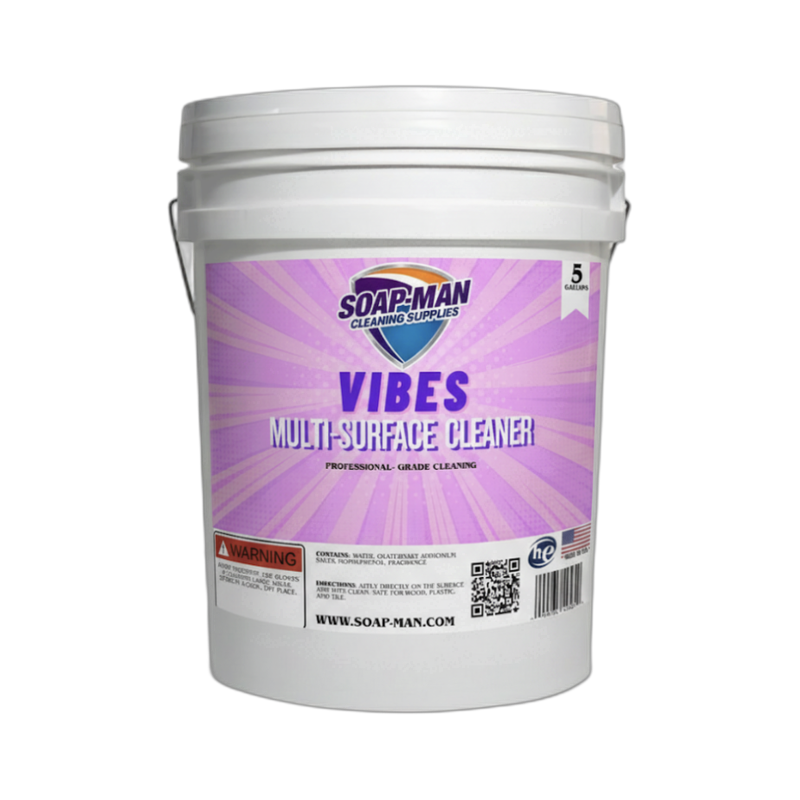
- Multi-surface cleaner — Vibes Multi-Surface Cleaner for wiping slats that can handle moisture (faux wood, aluminum, vinyl).
- Microfiber cloths — the best dust-grabbing material for blinds.
- A microfiber duster or blind-cleaning tool — for quick dusting between deep cleans.
- Warm water and mild dish soap
- A bathtub or large basin — for soaking removable blinds.
- Vacuum with brush attachment — for fabric blinds and heavy dust.
- Rubber gloves
- Old socks (optional) — the classic blind-cleaning tool.
Step-by-Step: How to Clean Blinds and Shutters
Step 1: Dust First — Every Time
Before any wet cleaning, remove loose dust. Close the blinds so the slats overlap. Starting at the top, wipe each slat with a dry microfiber cloth, a microfiber duster, or the brush attachment on your vacuum. Then reverse the blinds (close them the other direction) and dust the other side. The old sock trick works well here — put a sock on your hand, dip it in a 1:1 solution of water and vinegar, wring almost dry, and slide it along each slat. The sock wraps around both the top and bottom of the slat simultaneously.
Step 2: Spot-Clean or Deep Clean Based on Condition
If the blinds are lightly dusty, dusting is all they need. If they're sticky, yellowed, or have visible grime (especially kitchen and bathroom blinds exposed to cooking grease and humidity), they need a deeper clean. For faux wood, aluminum, and vinyl blinds: spray Vibes Multi-Surface Cleaner onto a cloth and wipe each slat individually, top and bottom. For real wood blinds: never use water or wet cleaners. Use a dry microfiber cloth only, or a wood-specific cleaner spray applied to the cloth (never directly to the blinds). For fabric blinds: vacuum with a brush attachment on the lowest suction setting.
Step 3: The Bathtub Method for Heavy Buildup
For aluminum, faux wood, or vinyl blinds that are severely dirty (kitchen blinds coated in years of cooking grease, for example), remove the blinds from the window and lay them in a bathtub filled with warm water and a few squirts of dish soap. Let them soak for 30 minutes. Run your fingers or a soft cloth along each slat to loosen the grime. Drain the tub, refill with clean water for a rinse, and drain again. Hang the blinds over the tub or on a towel rack to drip dry completely before reinstalling. This method transforms even the grimiest blinds back to near-new condition.
Step 4: Clean Shutters
Interior shutters (wood or composite) are cleaned similarly to blinds but are sturdier and easier to reach. Close the louvers and dust with a microfiber cloth or duster, top to bottom. For painted or composite shutters, wipe each louver with a damp cloth and multi-surface cleaner. For stained wood shutters, use a dry cloth or wood cleaner only. Clean the frame and hinges as well — dust accumulates in the hinge area. For plantation shutters with wide louvers, a damp microfiber cloth folded over each louver and slid along its length is the fastest method.
Step 5: Maintain Between Deep Cleans
A quick dusting every 1-2 weeks prevents the need for deep cleaning. Close the blinds and run a microfiber duster over the slats — it takes 60 seconds per window. This habit alone keeps blinds looking clean year-round and means you only need to do the full wet-cleaning treatment once or twice a year.
Pro Tips
- Dryer sheets repel dust. After cleaning, wipe each slat with a fresh dryer sheet. The anti-static coating on dryer sheets reduces the static charge that attracts dust to blind surfaces, keeping them cleaner longer between dustings.
- Close windows near kitchen blinds while cooking. Kitchen blinds get grimy because cooking grease is airborne and lands on the nearest surfaces. Closing the window blinds while cooking (and using the range hood) dramatically reduces grease accumulation.
- Replace the strings, not the blinds. If your blinds work fine but the pull strings or tilt mechanism is broken, replacement parts cost a few dollars and take 15 minutes to install. New blinds cost $30-$100 per window. Repair first.
Common Mistakes
- Using water on real wood blinds. Water causes wood blinds to warp, crack, and develop mold. Real wood blinds should only be dry-dusted or cleaned with a wood-specific spray applied to a cloth. If your wood blinds are so dirty they need wet cleaning, they may need refinishing rather than cleaning.
- Bending aluminum blinds during cleaning. Aluminum slats bend permanently with very little force. Always support the slat from behind when wiping, and never press hard. If a slat does bend, you can sometimes carefully bend it back by hand, but it will always show a crease.
- Not drying blinds completely before reinstalling. Wet blinds reinstalled on the window will develop water spots, mold (especially in the headrail), and may drip on the windowsill. Let them drip dry completely — several hours minimum for the bathtub method.
FAQ
How often should I clean my blinds?
Dust every 1-2 weeks (60 seconds per window with a duster). Deep clean every 3-6 months. Kitchen and bathroom blinds need deep cleaning more often (every 2-3 months) because of grease and humidity exposure. If anyone in the household has dust allergies, weekly dusting makes a significant difference in symptoms.
Can I clean blinds without taking them down?
Absolutely — that's the standard method for routine cleaning. Dusting, spot-cleaning, and wiping with a damp cloth are all done while the blinds are hanging. The only time you need to take them down is for the bathtub deep-clean method, which is reserved for severely grimy blinds that in-place cleaning can't handle.
How do I clean vertical blinds?
Vertical blinds (the kind on sliding glass doors) are cleaned the same way as horizontal blinds, but their orientation makes them less dusty because gravity doesn't deposit particles on a vertical surface the way it does on a horizontal one. Dust by running a microfiber cloth down each vane. For fabric vertical blinds, vacuum with a brush attachment. For vinyl vertical vanes, wipe with a damp cloth and multi-surface cleaner.
My white blinds have turned yellow. Can I fix them?
Yellowing on white blinds is caused by sun exposure, cigarette smoke, or cooking grease. For smoke and grease yellowing, the bathtub soak method with dish soap usually restores the white color. For sun-induced yellowing, the plastic has actually degraded and the yellowing is permanent — no amount of cleaning will reverse UV damage. If your blinds are uniformly yellowed from sun exposure, replacement is the only fix.
Are ultrasonic blind cleaners worth it?
Ultrasonic blind cleaning services (which dip blinds in an ultrasonic cleaning tank) produce excellent results, especially for severely dirty blinds. They typically cost $10-$20 per blind, which makes sense for expensive wood or specialty blinds. For standard faux wood or aluminum blinds, DIY cleaning produces the same result at a fraction of the cost.