
Why Dryer Cleaning Is a Fire Safety Issue
The U.S. Fire Administration reports that failure to clean dryers is the leading cause of dryer fires — roughly 2,900 residential fires per year. Most people clean the lint screen (the obvious one), but that's only the first line of defense. Lint accumulates in the lint trap housing below the screen, on the drum walls, around the moisture sensors, inside the exhaust vent duct, and at the exterior vent flap. Each location is a fire hazard because lint is extremely flammable and the dryer generates temperatures up to 135 degrees during normal operation. A clogged exhaust vent forces the dryer to run hotter and longer, moving the operating temperature closer to lint's ignition point. Cleaning beyond the lint screen is not just about performance — it's about preventing your house from catching fire.
What You'll Need
- Dryer vent brush kit — a long flexible brush designed to reach through vent ducts (available at hardware stores for $10-$20).
- Vacuum with crevice attachment — for the lint trap housing and drum interior.
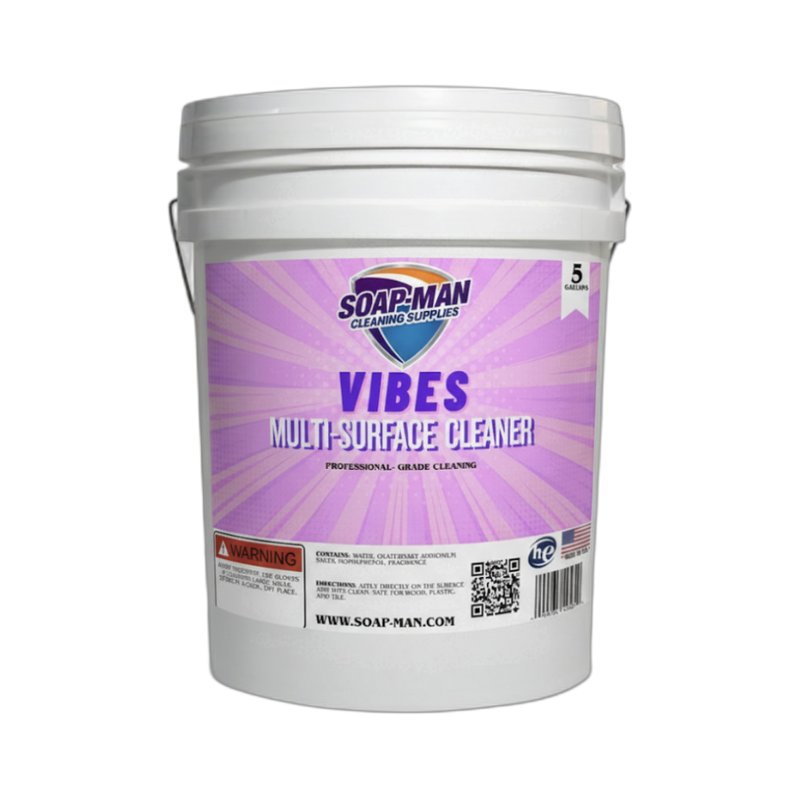
- Multi-surface cleaner — Vibes Multi-Surface Cleaner for wiping down the drum interior and exterior surfaces.
- Microfiber cloths
- Rubbing alcohol — for cleaning moisture sensor bars.
- Screwdriver — for removing the exhaust vent clamp.
- Flashlight — for inspecting inside the vent duct and lint trap housing.
Step-by-Step: How to Clean a Dryer
Step 1: Clean the Lint Screen and Housing
Pull out the lint screen and remove the visible lint (you already do this, hopefully). But then look down into the slot where the screen sits — use a flashlight. You'll likely see accumulated lint that didn't make it onto the screen. This is the lint trap housing, and it needs vacuuming. Use the crevice attachment on your vacuum and push it as far down the housing as it will reach, rotating to catch lint on all sides. For a more thorough clean, use the long flexible brush from a dryer vent kit — insert it into the housing and twist to gather lint. You might be shocked by how much comes out. Also wash the lint screen itself under warm water with a little dish soap — fabric softener and dryer sheets leave an invisible film on the screen mesh that reduces airflow over time. Let it dry completely before reinstalling.
Step 2: Clean Inside the Drum
Wipe the entire inside of the drum with a microfiber cloth dampened with Vibes Multi-Surface Cleaner. The drum accumulates residue from fabric softener, dryer sheets, and occasionally crayon, gum, or ink that melts during a drying cycle. Check the drum baffles (the raised fins inside the drum that tumble clothes) and wipe along their edges where debris collects. For mystery stains inside the drum (blue, brown, or waxy spots), rubbing alcohol on a cloth removes most of them. Run the dryer empty on high heat for 10 minutes after cleaning to evaporate any remaining moisture before drying clothes.
Step 3: Clean the Moisture Sensors
Most modern dryers have two thin metal strips inside the drum (usually near the lint screen opening or on the rear wall). These are moisture sensors that tell the dryer when clothes are dry. When they're coated with fabric softener residue, the dryer can't sense moisture accurately — it either stops too early (leaving damp clothes) or runs too long (wasting energy and shrinking clothes). Wipe the sensor bars with rubbing alcohol and a cloth until they're shiny. This 30-second task often fixes "my dryer doesn't dry well" complaints that people assume mean the heating element is failing.
Step 4: Clean the Exhaust Vent Duct
This is the most important step for fire prevention. Pull the dryer away from the wall and disconnect the exhaust vent duct from the back of the dryer (usually held by a clamp — loosen the screw and slide the clamp off). Look inside both the duct and the dryer's exhaust port with a flashlight. Insert the long flexible vent brush into the duct from the dryer end and push it through the full length, twisting as you go. Pull it back — it will come out covered in lint. Repeat until the brush comes back clean. Do the same from the exterior vent flap end if accessible. Vacuum any lint that fell during brushing. Reconnect the duct, ensuring a tight connection with the clamp — gaps allow lint to accumulate behind the dryer instead of exiting the house.
Step 5: Check the Exterior Vent Flap and Reassemble
Go outside and locate where the dryer vent exits your house. Check that the flap opens and closes freely — it should swing open when the dryer runs and close when it stops to prevent outside air, insects, and rodents from entering. Remove any debris, lint, or bird nests blocking the vent opening. If the flap is stuck, bent, or missing, replace it — an open vent is an open invitation to pests and cold air infiltration. Push the dryer back into position, ensuring the vent duct isn't kinked or crushed (compressed ducts restrict airflow and trap lint). Wipe the dryer exterior with Vibes Multi-Surface Cleaner and a cloth. Run the dryer empty for a few minutes to verify strong airflow at the exterior vent.
Pro Tips
- Replace accordion-style foil vent ducts with rigid or semi-rigid metal. Flexible foil ducts have ridges that trap lint and are a fire hazard. Smooth-walled rigid aluminum duct allows lint to flow freely to the exterior vent and is much safer. Most building codes now require it. The swap costs $10-$20 in materials and takes 15 minutes.
- Clean the vent duct annually at minimum. The lint screen catches about 75% of lint — the other 25% goes into the exhaust system. Annual vent cleaning prevents the dangerous accumulation that causes fires. If your duct run is long (over 10 feet) or has multiple elbows, clean it twice a year.
- Monitor drying time as a clog indicator. If clothes that used to dry in 45 minutes now take 60-70 minutes, the exhaust vent is partially clogged and restricting airflow. The dryer compensates by running longer, using more energy, and operating hotter. Increased drying time is the earliest warning sign of a vent that needs cleaning.
Common Mistakes
- Only cleaning the lint screen. The lint screen is step one of five. Lint accumulates in the housing, drum, sensors, vent duct, and exterior flap. A clean lint screen with a clogged vent duct is still a fire hazard.
- Using flexible foil vent ducts. These ribbed, accordion-style ducts trap lint in their ridges and are the single biggest fire risk in dryer installations. Replace them with smooth rigid aluminum duct. This upgrade takes 15 minutes and removes the most dangerous variable from your dryer setup.
- Pushing the dryer flush against the wall. A crushed or kinked vent duct behind the dryer restricts airflow, traps lint, and forces the dryer to work harder. Leave at least 4-6 inches between the dryer and the wall, and use a 90-degree elbow fitting if space is tight rather than letting the duct bend.
FAQ
How often should I clean inside my dryer?
Lint screen: every load. Lint trap housing: every 3 months. Drum interior and moisture sensors: every 3-6 months. Exhaust vent duct: annually (or twice yearly for long duct runs). Exterior vent flap: check every time you clean the duct. This schedule balances fire safety with practical effort.
How do I know if my dryer vent is clogged?
Warning signs: clothes take longer than usual to dry, clothes are very hot at the end of a cycle, the dryer shuts off before clothes are dry (thermal safety switch tripping), the laundry room feels humid when the dryer runs, you can see lint around the exterior vent opening, or the exterior vent flap doesn't open when the dryer is running. Any of these means restricted airflow that needs immediate attention.
Can I clean the dryer vent duct myself?
Yes, for most installations. A dryer vent brush kit ($10-$20) and 30 minutes of work handles standard vent runs up to 15-20 feet. If your vent runs through the roof (vertical exit), has more than two elbows, or is longer than 20 feet, consider professional cleaning ($100-$200) because the brush may not reach the full length and lint can compact at bends you can't access from either end.
Is professional dryer vent cleaning worth it?
For simple installations (short duct run straight to an exterior wall), DIY is perfectly adequate. For complex installations (long runs, multiple elbows, roof exits, duct runs through walls or floors), professional service is worth the $100-$200 because they have powered rotary brushes that reach the full length and diagnostic tools to verify complete clearing. They also inspect for damage, disconnections, and code violations.
Do dryer sheets and fabric softener contribute to lint buildup?
Yes. Fabric softener (both liquid and dryer sheets) leaves a waxy residue on the lint screen, moisture sensors, and drum that accumulates over time. This residue reduces the lint screen's effectiveness, clogs the screen mesh, and coats moisture sensors so they misread dryness levels. If you use fabric softener, wash your lint screen monthly with soap and water, and clean moisture sensors quarterly with rubbing alcohol.