
Your Washing Machine Is Dirtier Than You Think
Here's an uncomfortable truth: the machine you rely on to clean your clothes is probably one of the dirtiest appliances in your home. Every load of laundry sends body oils, sweat, dirt, pet hair, food particles, and detergent residue through the system. Most of it drains away, but a surprising amount accumulates inside the drum, the door seal, the detergent dispenser, and the drain pump.
Left uncleaned, this buildup creates the perfect environment for mold, mildew, and bacteria. That musty smell when you open the washer door? That's mold. The gray film on your "clean" towels? That's detergent and mineral buildup being deposited back onto your laundry. The fact that your gym clothes still smell after washing? Your machine is adding odor-causing bacteria right back onto them.
As cleaning professionals who work with laundry systems in hotels, hospitals, and commercial operations, we can tell you that machine hygiene is the foundation of clean laundry. The best detergent in the world won't produce clean results in a dirty machine. Here's how to fix that.
What You'll Need
- White distilled vinegar (1 gallon) — Dissolves mineral deposits, cuts through soap scum, and kills mold and bacteria.
- Baking soda (1 box) — Deodorizes, provides gentle abrasive cleaning, and works synergistically with vinegar.
- Microfiber cloths (several)
- Old toothbrush — For gasket folds, dispenser crevices, and tight spots.
- Spray bottle
- Multi-surface cleaner — Vibes Multi-Surface Cleaner for the exterior and control panel.
- Rubber gloves — You'll want these, especially for front-loader gasket cleaning.
- Bleach (optional) — Power Bleach for serious mold situations. Never mix with vinegar.
How to Clean a Front-Load Washing Machine
Front-load washers are more prone to mold and odor problems than top-loaders because of their design. The horizontal drum, airtight door seal, and minimal water usage create a warm, moist environment that mold loves. If you have a front-loader, cleaning it regularly isn't optional — it's essential.
Step 1: Clean the Door Gasket
This is where the worst mold growth occurs. The thick rubber gasket around the door has multiple folds and creases that trap water, detergent residue, and debris after every wash cycle.
Pull back the rubber gasket folds and inspect — you'll likely find black mold, hair, lint, and possibly even small items like coins or paper that slipped out of pockets. Remove any solid debris by hand.
Fill your spray bottle with undiluted white vinegar. Spray the entire gasket generously, pulling back each fold to get the solution into every crevice. Let it sit for 10-15 minutes. Then scrub with a toothbrush and wipe clean with a microfiber cloth.
For severe mold that doesn't respond to vinegar, use a diluted bleach solution (1 part Power Bleach to 10 parts water). Apply with a cloth, let it sit for 5 minutes, and scrub. Important: if you used vinegar first, rinse thoroughly with plain water before switching to bleach. Never apply both at the same time.
After cleaning, dry the gasket completely with a clean cloth. This step is critical — leaving the gasket wet is how mold returns.
Step 2: Clean the Detergent Dispenser
Pull out the detergent dispenser drawer completely (most models have a release tab or button that lets you remove the entire drawer). You'll almost certainly find a slimy, sometimes colorful buildup of old detergent, fabric softener, and mold.
Soak the drawer in a basin of hot water with a cup of vinegar for 15-20 minutes. Then scrub every surface and channel with a toothbrush. Pay special attention to the fabric softener compartment — it's notorious for clogs. Rinse thoroughly and dry before reinstalling.
While the drawer is out, look inside the dispenser housing (the cavity where the drawer sits). Use a toothbrush and vinegar spray to clean the inside, especially the upper channels where water flows in. Mold and detergent buildup hide here and get washed into every load.
Step 3: Run a Hot Vinegar Cycle
With the gasket and dispenser cleaned, add 2 cups of white vinegar directly into the drum (not the dispenser). Select the hottest water setting and the longest cycle available. Some machines have a dedicated "Tub Clean" or "Self Clean" cycle — use it if available.
The hot water and vinegar combination dissolves mineral deposits in the drum, pump, and water lines, kills bacteria and mold, and breaks down soap residue throughout the entire system. Let the full cycle complete.
Step 4: Run a Baking Soda Cycle
After the vinegar cycle finishes, sprinkle half a cup of baking soda directly into the drum. Run another hot cycle — the shortest one is fine. Baking soda neutralizes any remaining vinegar acid, deodorizes the drum, and provides a mild abrasive action that loosens remaining residue.
Step 5: Wipe Down the Interior
When the baking soda cycle finishes, open the door and wipe the entire drum interior with a dry microfiber cloth. Pay attention to the drum rim (where the gasket meets the drum opening) and the bottom of the drum where water pools. Wipe the inner surface of the door glass as well — soap scum builds up here.
Step 6: Clean the Drain Pump Filter
Most front-load washers have a drain pump filter — a small access door or panel at the bottom front of the machine. This filter catches coins, buttons, hair, lint, and other debris before it reaches the drain pump. If you've never cleaned it, prepare for a surprise.
Place towels on the floor in front of the filter access — water will come out when you open it. Some machines have a small drain hose next to the filter for controlled draining. Open the hose first and drain into a shallow pan until water stops flowing.
Twist the filter cap counterclockwise to remove it. Pull out any debris (coins, hair, lint, buttons, tissues). Rinse the filter under hot water and scrub with a toothbrush. Wipe inside the filter housing with a cloth. Reinstall the filter, making sure it's seated firmly.
This filter should be cleaned every 1-2 months. A clogged filter reduces drainage, can cause error codes, and creates odor problems.
Step 7: Clean the Exterior
Spray Vibes Multi-Surface Cleaner onto a microfiber cloth and wipe down the entire exterior — top, sides, front panel, and control area. Clean the control panel buttons with a barely damp cloth to avoid moisture damage. Wipe the door glass inside and out.
How to Clean a Top-Load Washing Machine
Top-load washers are less prone to mold issues than front-loaders (gravity helps water drain away from the drum), but they still accumulate detergent residue, mineral deposits, and bacteria over time. The cleaning process is similar but adapted for the top-load design.
Step 1: Fill with Hot Water and Vinegar
Set your washer to the hottest water temperature and the largest load size. Start the cycle and let the tub fill completely. Once full, add 4 cups of white vinegar. Let the agitator run for a minute to mix the vinegar throughout the water, then pause the cycle and let the solution sit for 1 hour.
This extended soak gives the vinegar time to dissolve mineral deposits and soap residue throughout the drum, agitator, and water lines.
Step 2: Scrub While Soaking
While the vinegar solution sits, use the time productively. Dip a microfiber cloth in the vinegar water from the drum and wipe down every surface you can reach: the inside of the lid, the upper rim of the drum (above the water line where soap scum accumulates), around the agitator base, and any exposed edges or crevices.
Use a toothbrush to scrub around the agitator base, fabric softener dispenser, and bleach dispenser. These areas collect gummy residue that doesn't get washed away during normal cycles.
Step 3: Complete the Cycle
After an hour of soaking, resume the cycle and let it run to completion, including the drain and spin. The agitation combined with the vinegar solution scrubs the inside of the drum and flushes residue through the drain system.
Step 4: Run a Baking Soda Cycle
Start another hot-water cycle. Add 1 cup of baking soda directly to the drum. Let this cycle run completely. The baking soda deodorizes, provides abrasive cleaning action, and neutralizes any remaining vinegar.
Step 5: Clean the Agitator
Some top-load washers have a removable agitator (the central column in the drum). If yours can be removed (usually by pulling or unscrewing the top cap, then lifting out), do so and clean it thoroughly. The underside and inner cavity of the agitator trap hair, lint, detergent buildup, and sometimes mold.
Scrub the agitator with a brush and vinegar solution, rinse, and reinstall. If your agitator doesn't remove, scrub around its base with a toothbrush and vinegar.
Step 6: Clean the Fabric Softener and Bleach Dispensers
If your top-loader has built-in dispensers, remove them if possible and soak in hot vinegar water. If they don't remove, fill them with vinegar and let them sit for 30 minutes, then scrub with a toothbrush. These dispensers develop a slimy buildup that can transfer to your laundry.
Step 7: Wipe and Dry
When the baking soda cycle finishes, wipe the drum interior, rim, and lid with a dry cloth. Leave the lid open to air dry completely — this is the single most important habit for preventing odor in a top-load washer.
The Most Important Habit: Leave the Door Open
This simple practice prevents more washer odor problems than anything else you can do. After every wash cycle, leave the washer door (or lid) open for at least a few hours — ideally until the next use. This allows the drum, gasket, and interior to dry out completely, starving mold and bacteria of the moisture they need to grow.
For front-loaders, this is absolutely critical. The airtight door seal traps moisture inside the drum when closed. Get in the habit of leaving the door cracked open whenever the washer isn't in use. If you have small children or pets, most front-loaders can rest with the door just barely ajar — enough for airflow but not enough for curious hands or paws.
For top-loaders, leave the lid up when not in use. Most top-load washers dry out faster than front-loaders because gravity helps moisture drain down, but leaving the lid open still speeds the process significantly.
Detergent Mistakes That Make Your Washer Dirty
Using the wrong detergent — or the wrong amount — is one of the top reasons washing machines get dirty and smelly. Here are the most common mistakes.
Using Too Much Detergent
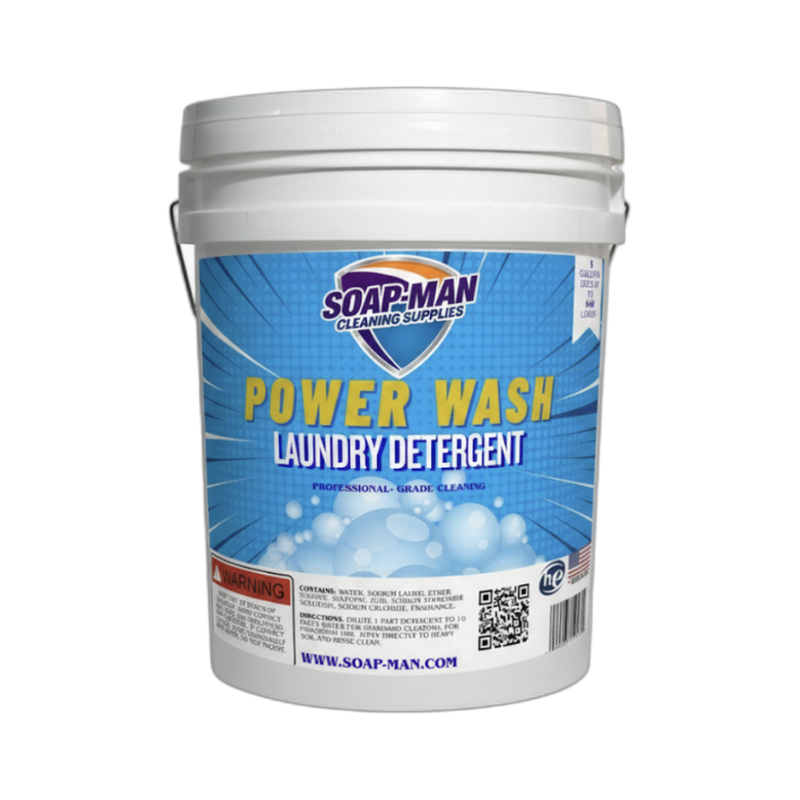
More soap doesn't mean cleaner clothes. Excess detergent doesn't fully rinse out — it accumulates inside the drum, hoses, and pump, creating a film that breeds bacteria and causes the very odors you're trying to wash away. Follow the dosage instructions on your detergent. With a concentrated formula like Power Wash Laundry Detergent, a little goes a long way — using the recommended amount actually produces cleaner results than overloading.
Using Non-HE Detergent in an HE Machine
High-efficiency (HE) washers — which includes virtually all front-loaders and many modern top-loaders — use less water than traditional machines. Standard detergent creates too many suds in these low-water machines, leaving residue everywhere. Always use HE-compatible detergent in HE machines. All Soap-Man laundry detergents are HE-compatible.
Overusing Fabric Softener
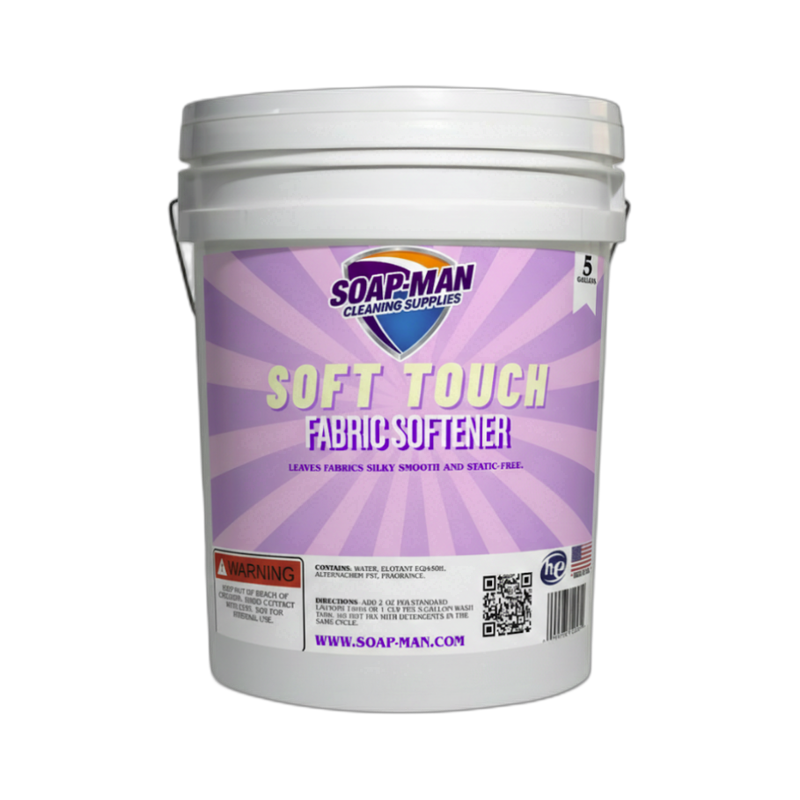
Liquid fabric softener leaves a waxy residue in your washer, especially in the dispenser and drain lines. This buildup attracts bacteria and can create a rancid smell over time. Use fabric softener sparingly and clean the dispenser monthly. Soft Touch Fabric Softener is concentrated, so you need less per load than standard softeners — which means less buildup.
Not Using Enough Water Temperature Variety
Washing everything in cold water saves energy but doesn't do your machine any favors. Cold water doesn't dissolve detergent as effectively, leading to more residue buildup. Run at least one hot-water load per week (towels and sheets are perfect for this) to help flush detergent and kill bacteria inside the machine.
Washing Machine Maintenance Schedule
Stay on this schedule and your washing machine will stay fresh, perform optimally, and last years longer.
After Every Load
- Remove wet laundry promptly — don't let it sit in the drum.
- Leave the door/lid open for airflow.
- For front-loaders: wipe the gasket with a dry cloth to remove standing water.
Weekly
- Run at least one hot-water cycle (even if it's just a load of towels).
- Wipe down the door glass and control panel.
- Check the gasket for debris (front-loaders).
Monthly
- Full deep clean: vinegar cycle + baking soda cycle (the complete process described above).
- Clean the detergent dispenser drawer.
- Clean the drain pump filter (front-loaders).
- Inspect and clean dispensers (top-loaders).
Every 3-6 Months
- Inspect water supply hoses for bulges, cracks, or leaks. Replace hoses every 3-5 years or if you see any damage — a burst washing machine hose is one of the most common causes of residential water damage.
- Check that the machine is level (uneven machines vibrate excessively and wear out faster).
- Clean behind and under the machine (dust and lint accumulate).
Commercial Washing Machine Cleaning
Hotels, hospitals, laundromats, and other commercial laundry operations have the same cleaning needs — amplified by volume. A commercial washer processing 20-50 loads per day accumulates buildup far faster than a residential unit.
For commercial operations, we recommend daily drum wipe-downs, weekly vinegar or citric acid cleaning cycles, and monthly deep cleans of all accessible components. The cost of clean laundry starts with a clean machine — and in commercial settings, the cost of musty-smelling linens is lost customers.
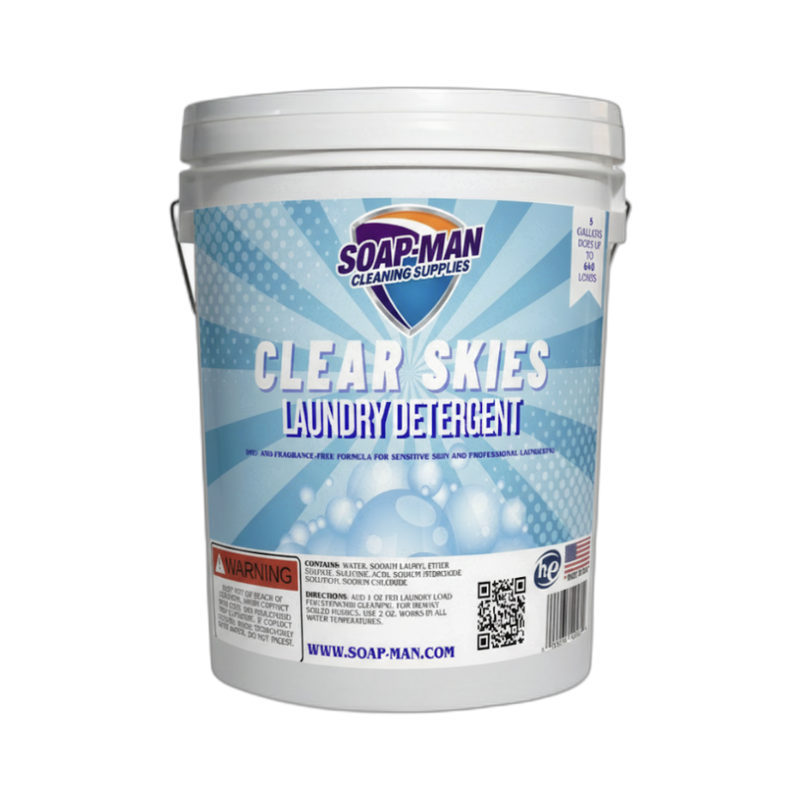
Commercial-grade detergents like Power Wash Laundry Detergent and Clear Skies Laundry Detergent are formulated for high-volume use with minimal residue — which means less buildup between cleanings. For operations serving sensitive populations (healthcare, childcare), Clear Skies is fragrance-free and hypoallergenic, making it the right choice for both the laundry and the machine.
When to Call a Professional
Most washing machine cleaning can be done yourself. But certain issues warrant a professional repair technician.
- Persistent odor after deep cleaning: If the smell won't go away after a thorough cleaning, there may be mold inside the drain hose or pump housing that you can't access.
- Standing water that won't drain: Could be a clogged drain hose, faulty drain pump, or a problem with the home's plumbing.
- Error codes related to water or drainage: These often indicate a component failure beyond what cleaning can fix.
- Visible mold inside the drum that won't come off: Surface mold cleans easily, but if mold has penetrated the drum's surface or is growing behind the drum, a technician may need to partially disassemble the machine.
- Excessive vibration or noise: This isn't a cleaning issue — it's usually worn shock absorbers, an unbalanced drum, or a failing bearing.
Frequently Asked Questions
How often should I clean my washing machine?
A full deep clean once a month is the standard recommendation for most households. If you notice any odor, visible mold, or a decline in cleaning performance, do it immediately rather than waiting for the monthly schedule. Front-load washers need more frequent attention than top-loaders — the gasket should get a quick wipe after every few loads at minimum.
Can I use bleach to clean my washing machine?
Yes. Bleach is effective for killing mold and bacteria inside the drum. Add 2 cups of Power Bleach to the drum (or bleach dispenser) and run a hot cycle. However, never mix bleach with vinegar — this creates toxic chlorine gas. Use one or the other per cleaning cycle, not both. If you want to use both, run a complete vinegar cycle first, then run a separate bleach cycle afterward.
Why does my front-load washer smell like mildew?
Front-load washers are designed with an airtight door seal to prevent leaks. This same seal traps moisture inside the drum after every cycle. Mold and mildew thrive in this warm, wet, dark environment — especially in the rubber gasket folds. The fix: clean the gasket regularly, leave the door open after every cycle, and use the correct amount of HE detergent (excess detergent feeds mold growth).
Is it safe to use vinegar in my washing machine?
Yes. White distilled vinegar at standard 5% acidity is safe for all washer types, including HE machines. Some manufacturers advise against it in their manuals (primarily to avoid liability), but vinegar has been used safely in washing machines for decades. The mild acid concentration doesn't damage rubber seals, plastic components, or metal drums with normal monthly use.
Can a dirty washing machine make you sick?
Potentially. A machine contaminated with mold, bacteria, and mildew can transfer those organisms to your clothes. People with mold allergies may experience symptoms from wearing clothes washed in a moldy machine. Bacteria like E. coli and Staphylococcus can survive the wash cycle in cold water, especially in a machine with biofilm buildup. Regular cleaning and occasional hot-water cycles minimize this risk significantly.
What's the best detergent for keeping my washing machine clean?
The best detergent for machine cleanliness is one that's HE-compatible (if you have an HE machine), concentrated (so you use less), and low-residue. Power Wash Laundry Detergent is 2x concentrated — meaning you get powerful cleaning with half the volume, which translates to less residue buildup in your machine over time. Pair it with the correct dose for your load size and you'll notice a significant difference in how fresh your machine stays between cleanings.
My washer has a "Tub Clean" cycle. Is that enough?
The Tub Clean cycle is a great starting point — it runs hot water for an extended period, which helps flush residue. However, it doesn't address the gasket, the dispenser, the drain filter, or mineral deposits as effectively as a full manual cleaning with vinegar. Think of the Tub Clean cycle as maintenance between your monthly deep cleans, not a replacement for them. Run Tub Clean every 2 weeks and do the full manual process monthly.