
Why Trampolines Need Regular Cleaning
Trampolines sit outside 24/7 collecting every kind of grime — bird droppings, tree sap, leaves, pollen, mildew, and dust. The UV rays from the sun break down the mat material, and when dirt is left on the surface, it accelerates the breakdown. Rust forms on the springs from rain and morning dew. Safety pads absorb water and start to disintegrate if not kept clean. A quick monthly clean during use season extends trampoline life by years and keeps kids jumping on a surface that is not actually gross.
What You'll Need
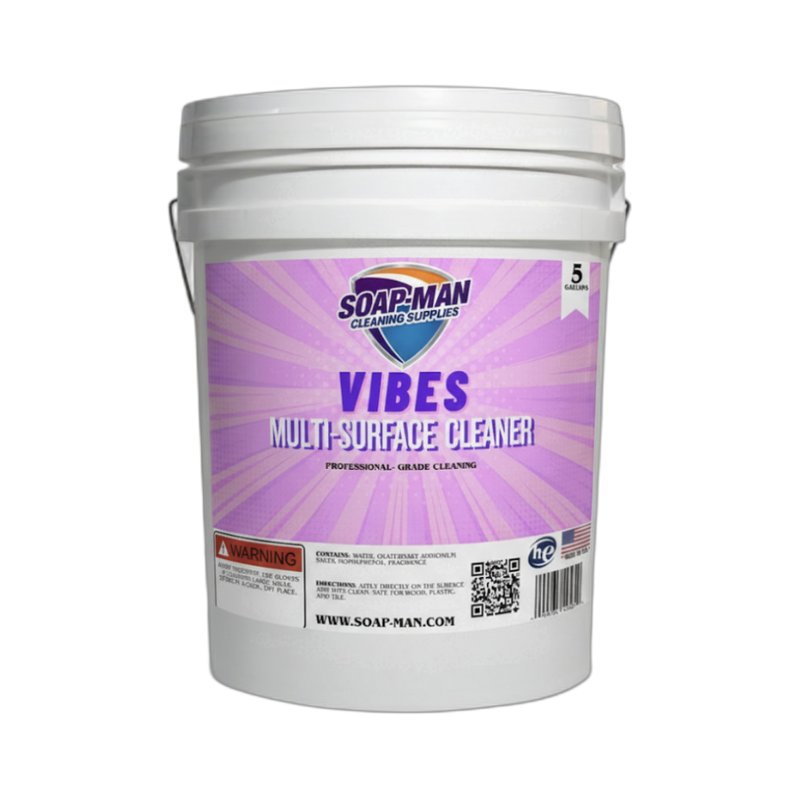
- Multi-surface cleaner — Vibes Multi-Surface Cleaner is safe for trampoline materials.
- Soft-bristled brush or push broom
- Garden hose
- Bucket of warm water
- Microfiber cloths
- Soft scrub brush
Step-by-Step: How to Clean a Trampoline
Step 1: Remove Loose Debris
Start by sweeping leaves, sticks, and dirt off the mat with a soft broom. Check underneath the trampoline and remove any debris that has collected there. Leaves trapped under the mat hold moisture that rusts springs and rots pads.
Step 2: Hose Down the Entire Trampoline
Spray the mat, springs, and safety pads with a hose on gentle setting. Avoid high-pressure washers — they can damage the mat stitching and push water into the safety pad foam. A thorough rinse removes pollen, dust, and bird droppings before scrubbing.
Step 3: Scrub the Mat and Pads
Mix Vibes Multi-Surface Cleaner with warm water in a bucket. Use a soft-bristled push broom to scrub the mat surface in all directions. For stubborn marks like bird droppings or tree sap, use a soft scrub brush and a little elbow grease. Scrub the safety pads with a soft brush — avoid aggressive scrubbing that can tear the vinyl cover. Rinse thoroughly.
Step 4: Dry and Inspect
Let the trampoline air-dry completely in the sun. While drying, inspect the mat for tears, loose stitching, or worn areas. Check springs for rust or damage. Check safety pads for splits in the vinyl or soaked foam. Address any damage before next use — a torn mat is a serious safety issue.
Pro Tips
- Cover the trampoline when not in use. A weather cover extends mat life dramatically by blocking UV and debris. Take the cover off during use to prevent mold underneath.
- Clean tree sap with rubbing alcohol. Sap is one of the toughest stains. A cloth dampened with rubbing alcohol breaks down the sap for easy removal. Rinse after.
- Treat rusty springs with white vinegar. Spray vinegar on rusted springs, let it soak for 15 minutes, then scrub with a wire brush. Rinse and dry. Severely rusted springs should be replaced.
FAQ
Can I use bleach to clean a trampoline?
No. Bleach damages the UV coatings on trampoline mats and weakens the material, shortening the life of the trampoline significantly. Stick to mild cleaners or diluted dish soap.
How do I remove mildew from the safety pads?
Mildew on safety pads comes from trapped moisture. Scrub with a solution of equal parts white vinegar and water, rinse, and let dry completely in the sun. If the foam inside the pads is soaked and moldy, the pads usually need to be replaced.
How often should I clean a trampoline?
Monthly during peak use season (spring through fall). A full deep clean at the start of spring and before winter storage. Sweep off leaves and debris weekly to prevent buildup.
Should I store the trampoline in winter?
In climates with snow or heavy rain, disassembling and storing the mat and pads indoors extends their life significantly. Leave the frame outside (it is designed for weather) but cover it. Snow load on a deployed mat stretches and damages it.