Antibacterial Soap vs Regular Soap: Which Should You Use?
Antibacterial soap vs regular soap: compare everyday handwashing, FDA and CDC guidance, safety concerns, and when sanitizer or disinfectant is the better choice.
Quick Verdict
For everyday handwashing, choose regular soap and clean running water. FDA and CDC guidance does not show an added health benefit from consumer antibacterial soap compared with plain soap and water, as long as people wash properly. Scrub for about 20 seconds, rinse well, and use sanitizer only when soap and water are not available.
Side-by-Side Comparison
Antibacterial Soap
Pros
- Clearly marketed for hand hygiene
- May contain active antiseptic ingredients
- Can fit specific healthcare-style handwashing protocols when the product label and setting require it
- Easy for staff or families to recognize on a sink
Cons
- No proven added benefit over plain soap and water for everyday consumer handwashing
- Several older active ingredients, including triclosan and triclocarban, were removed from consumer antiseptic washes
- Antibacterial labeling can create a false sense of protection if people rush the 20-second wash
- Not a substitute for hand sanitizer, surface sanitizer, or EPA-registered disinfectant when those are required
Best For
Specific settings where an approved antiseptic wash is required by policy or label instructions. For normal homes, offices, schools, and most businesses, it is usually unnecessary.
Regular Soap
Pros
- Recommended by public-health guidance for routine handwashing
- Works by lifting soil, grease, microbes, and chemicals so they can rinse away
- Avoids unnecessary antibacterial active-ingredient concerns for daily use
- Usually lower cost and easier to buy in bulk
Cons
- Still requires proper technique and enough scrub time
- Does not sanitize hands instantly when no sink is available
- Does not disinfect countertops, tools, or restroom surfaces
- Some buyers may assume it is weaker because it has less aggressive marketing
Best For
Daily handwashing in homes, offices, restaurants, schools, gyms, salons, and most public restrooms when soap and running water are available.
When to Use Antibacterial Soap
Use antibacterial soap only when your workplace, healthcare protocol, product label, or compliance requirement specifically calls for an antiseptic handwash. Do not treat it as a surface disinfectant or as a shortcut around proper handwashing time.
When to Use Regular Soap
Use regular soap for routine handwashing at sinks. Wet hands, lather all surfaces, scrub for about 20 seconds, rinse under clean running water, and dry with a clean towel or air dryer.
Best Choice by Cleaning Use Case
| Use Case | Best Choice | Why |
|---|---|---|
| Everyday handwashing at home, school, office, gym, or restroom | Regular soap | Plain soap and water are the recommended routine option when people wash thoroughly for about 20 seconds. |
| Hands are visibly dirty, greasy, or covered with food soil | Regular soap and water | Soap and running water physically lift and rinse away soil, grease, microbes, and chemicals better than relying on sanitizer alone. |
| No sink is available | Hand sanitizer with at least 60% alcohol | Sanitizer is the practical backup when soap and water are not available, but it is not the same thing as antibacterial soap. |
| Healthcare or policy-controlled hand hygiene | Follow the facility-approved product | Some professional settings require specific antiseptic washes. Use the approved product and instructions instead of substituting a consumer soap. |
| Counters, restrooms, shared tools, and high-touch surfaces | Surface cleaner, sanitizer, or disinfectant | Hand soap is for skin. Surfaces need the right cleaning product and, when required, a sanitizer or EPA-registered disinfectant with label contact time. |
Disinfecting Claims and Safety
- This comparison is about handwashing, not medical treatment, wound care, or infection-control advice for healthcare facilities.
- Do not use hand soap as a surface disinfectant. Surface disinfecting claims depend on the product label, surface type, pathogen claim, and wet contact time.
- Antibacterial soap is not the same as alcohol hand sanitizer. Use sanitizer only as a backup when soap and water are not available.
- For food service, healthcare, childcare, and regulated workplaces, follow the required local policy and product label instead of relying on consumer marketing claims.
- If a soap irritates skin, stop using it and choose a milder hand soap or ask a qualified professional for guidance.
Need bulk hand soap and restroom supplies?
Soap-Man can help match daily handwashing stations with practical bulk soap, restroom paper, and the right surface sanitizer or disinfectant for nearby counters, restrooms, and shared touch points.
Bulk supplies related to this guide
Turn the comparison into an order path with Soap-Man products available by case, bucket, and volume quote.
Specialty Cleaners
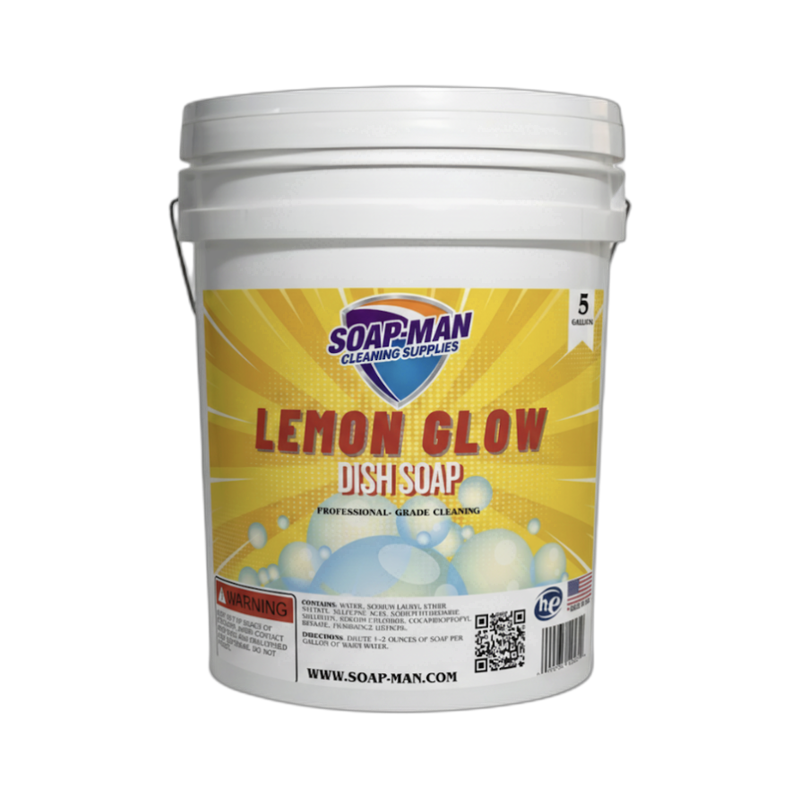
Lemon Glow Dish Soap
Commercial-grade lemon-scented dish soap for professional kitchen operations. Available in 1-gallon and 5-gallon sizes.
From $74.00/case or $65.00/bucket
View product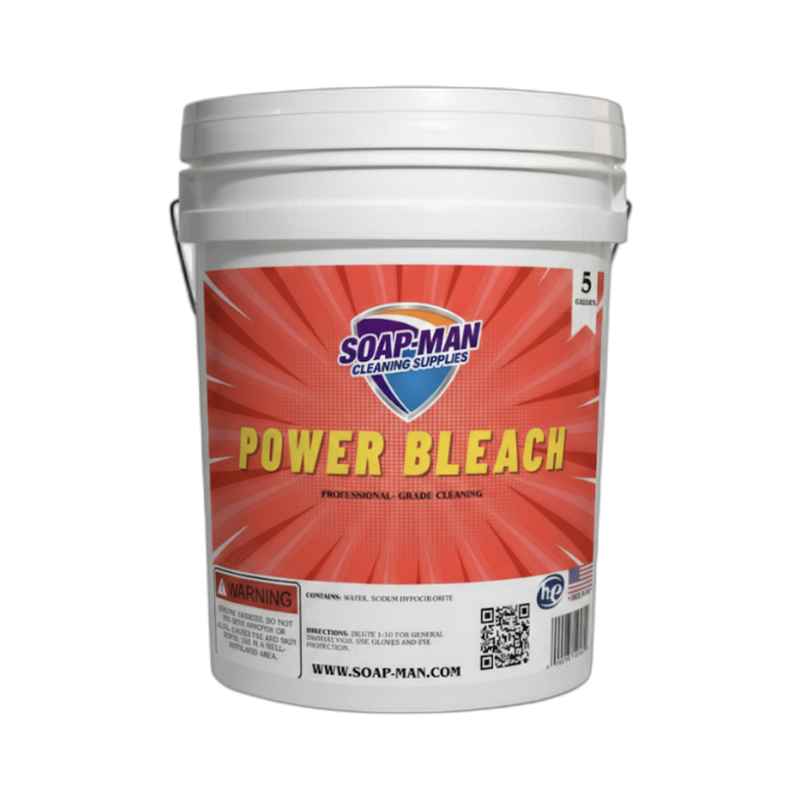
Bleach & Disinfectants
Power Bleach
Professional-grade bleach for commercial disinfecting and whitening. Available in 1-gallon and 5-gallon sizes.
From $68.00/case or $58.00/bucket
View product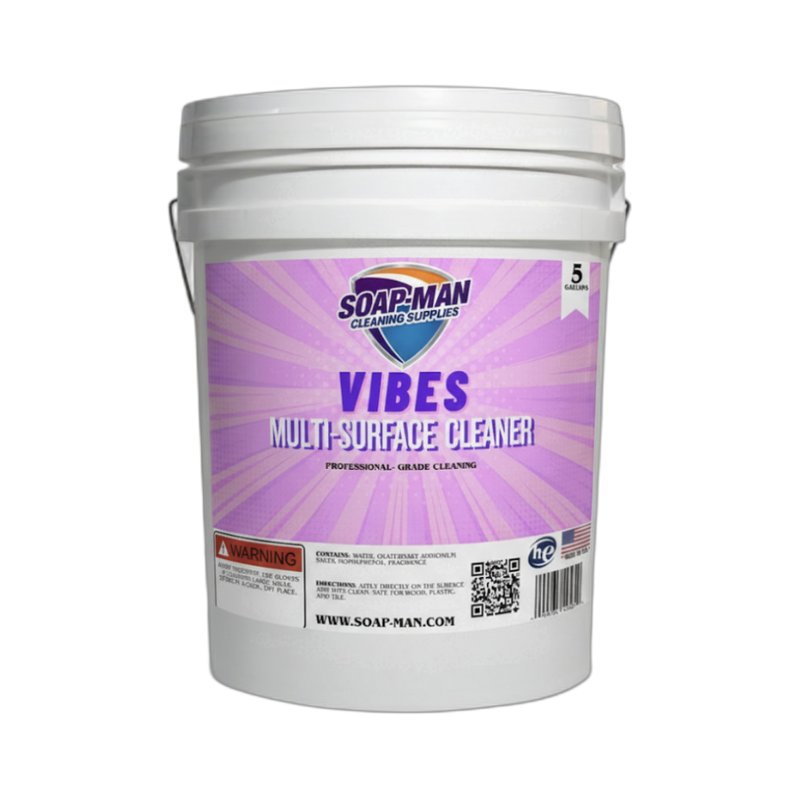
Degreasers & Multi-Surface Cleaners
Vibes Multi-Surface Cleaner
Premium multi-surface cleaner for all commercial and household environments. Available in 1-gallon and 5-gallon sizes.
From $67.00/case or $58.00/bucket
View productOur Verdict
For everyday handwashing, choose regular soap and clean running water. FDA and CDC guidance does not show an added health benefit from consumer antibacterial soap compared with plain soap and water, as long as people wash properly. Scrub for about 20 seconds, rinse well, and use sanitizer only when soap and water are not available.
Choose Antibacterial Soap when: Specific settings where an approved antiseptic wash is required by policy or label instructions. For normal homes, offices, schools, and most businesses, it is usually unnecessary.
Choose Regular Soap when: Daily handwashing in homes, offices, restaurants, schools, gyms, salons, and most public restrooms when soap and running water are available.
Related Disinfectant and Supply Guides
Lemon Glow Dish Soap
A mild soap option for dishwashing and kitchen cleanup where grease cutting matters more than antibacterial marketing.
Open guideBleach and Disinfectants
Use purpose-built disinfecting products for hard surfaces when the job requires label-backed contact time and surface claims.
Open guideDisinfectant vs Sanitizer
See the difference between reducing germs to safe levels and using a true disinfectant on hard non-porous surfaces.
Open guideDish Soap vs Hand Soap
Compare two everyday soaps by skin feel, grease cutting, sink use, and practical cleaning jobs.
Open guideFrequently Asked Questions
Related Comparisons
Dish Soap vs Hand Soap
Dish soap vs hand soap: can you use one for the other? Learn the real differences in formulation, safety, and when each works best.
Read comparisonSoaps & DetergentsDawn Powerwash vs Regular Dawn Dish Soap
Dawn Powerwash vs regular Dawn dish soap: is the spray formula worth the premium? Compare grease-cutting, convenience, cost, and cleaning uses.
Read comparisonSoaps & DetergentsCastile Soap vs Dish Soap
Castile soap vs dish soap: can one replace the other? Compare ingredients, cleaning power, versatility, and safety for every household task.
Read comparisonNeed cleaning supplies? Shop Soap-Man Products