Disinfectant vs Sanitizer: Which Should You Use?
Disinfectant vs sanitizer: which kills more germs? Learn the key differences, when to use each, and which is better for your cleaning needs.
Quick Verdict
For most commercial cleaning, you need both. Use disinfectants in restrooms, high-touch areas, and during illness outbreaks. Use sanitizers in kitchens, food prep zones, and for quick daily surface maintenance. The key difference is regulatory: disinfectants kill, sanitizers reduce to safe levels.
Side-by-Side Comparison
Disinfectant
Pros
- Kills 99.9% of bacteria, viruses, and fungi on hard surfaces
- EPA-registered with proven efficacy claims
- Effective against tougher pathogens including norovirus and MRSA
- Ideal for high-risk environments like restrooms and medical facilities
Cons
- Requires longer contact time (usually 5-10 minutes)
- Contains harsher chemicals that may irritate skin or lungs
- Not safe for use on food-contact surfaces without rinsing
- Can damage certain materials with prolonged exposure
Best For
Restrooms, medical facilities, outbreak situations, and any surface where maximum germ elimination is required.
Sanitizer
Pros
- Fast-acting with shorter contact times (30 seconds to 1 minute)
- Safe for food-contact surfaces without rinsing
- Generally milder formulas that are less irritating
- Approved for use in food service and kitchen environments
Cons
- Only reduces bacteria to safe levels rather than eliminating them
- Less effective against viruses and fungi
- May not meet requirements for high-risk medical settings
- Limited effectiveness during disease outbreaks
Best For
Kitchen counters, food prep areas, dining tables, and quick daily cleaning where food safety standards apply.
When to Use Disinfectant
Choose a disinfectant when you need to eliminate pathogens completely. Restrooms, sick rooms, shared equipment, door handles, and any surface during cold and flu season. Always follow the listed contact time on the label for full effectiveness.
When to Use Sanitizer
Choose a sanitizer for food-contact surfaces, daily kitchen cleaning, dining areas, and break rooms. Sanitizers work faster and are designed for areas where food safety regulations require specific products that do not leave harmful residues.
Buying cleaning supplies for a business?
If this Disinfectant vs Sanitizer decision affects a facility, kitchen, laundry room, vehicle fleet, or recurring cleaning program, Soap-Man can quote the right bulk supply mix instead of retail-size bottles.
Bulk supplies related to this guide
Turn the comparison into an order path with Soap-Man products available by case, bucket, and volume quote.
Bleach & Disinfectants
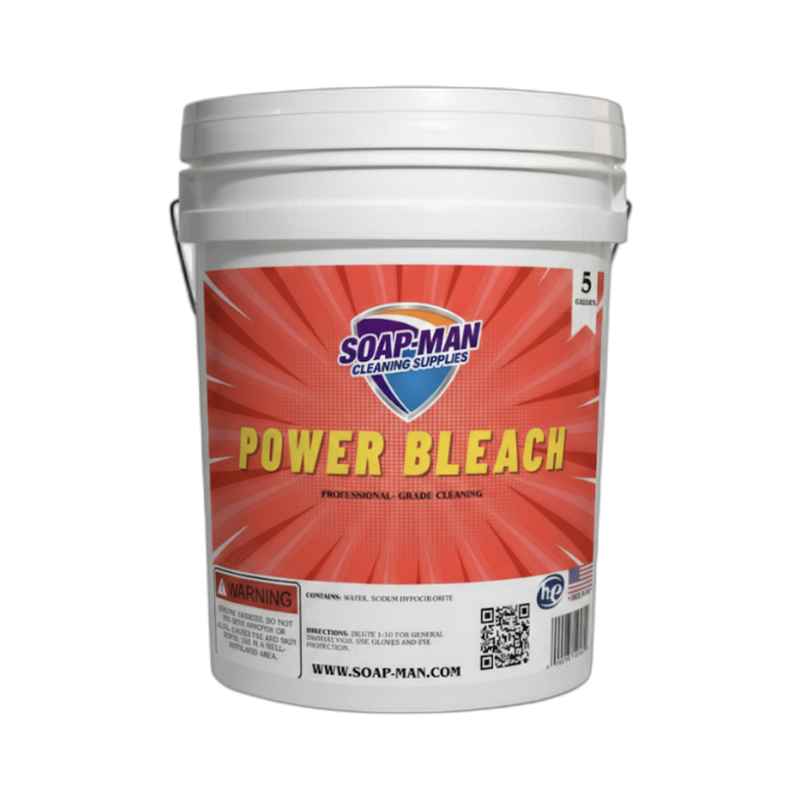
Power Bleach
Professional-grade bleach for commercial disinfecting and whitening. Available in 1-gallon and 5-gallon sizes.
From $68.00/case or $58.00/bucket
View product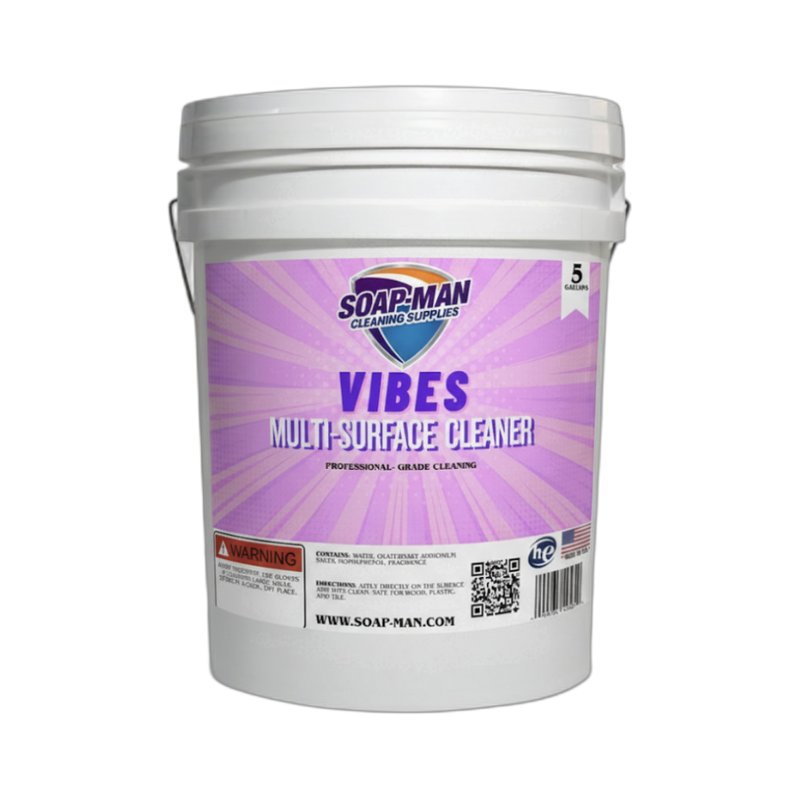
Degreasers & Multi-Surface Cleaners
Vibes Multi-Surface Cleaner
Premium multi-surface cleaner for all commercial and household environments. Available in 1-gallon and 5-gallon sizes.
From $67.00/case or $58.00/bucket
View productOur Verdict
For most commercial cleaning, you need both. Use disinfectants in restrooms, high-touch areas, and during illness outbreaks. Use sanitizers in kitchens, food prep zones, and for quick daily surface maintenance. The key difference is regulatory: disinfectants kill, sanitizers reduce to safe levels.
Choose Disinfectant when: Restrooms, medical facilities, outbreak situations, and any surface where maximum germ elimination is required.
Choose Sanitizer when: Kitchen counters, food prep areas, dining tables, and quick daily cleaning where food safety standards apply.
Frequently Asked Questions
Related Comparisons
Hydrogen Peroxide vs Rubbing Alcohol (Isopropyl)
Hydrogen peroxide vs rubbing alcohol: compare disinfecting power, surface safety, contact time, and the best cleaning uses for each solution.
Read comparisonChemicals & SolutionsBleach vs Vinegar (White Distilled)
Bleach vs vinegar for mold removal: which actually kills mold at the root? Learn the science behind each method and when to use them.
Read comparisonChemicals & SolutionsBorax (Sodium Borate) vs Baking Soda (Sodium Bicarbonate)
Borax vs baking soda: which cleaning booster is better? Compare uses, safety, effectiveness, and when to choose each for cleaning.
Read comparisonNeed cleaning supplies? Shop Soap-Man Products