
Why Apartment Cleaning Needs Its Own Checklist
Apartment cleaning is different from house cleaning for one important reason: you're working in a smaller space where every detail is visible and every surface is within arm's reach. In a house, you can close a door and forget about a messy room. In an apartment, everything is connected — the kitchen is the dining room, the living room is the office, and there's nowhere to hide a mess. This means cleaning has to be more thorough and more strategic.
This checklist works for three scenarios: move-out cleaning (getting your security deposit back), move-in cleaning (starting fresh in a new apartment), and maintenance deep cleaning (keeping your apartment in consistently good shape). Each section notes the specific tasks that apply to move-in/move-out versus regular maintenance.
What You'll Need
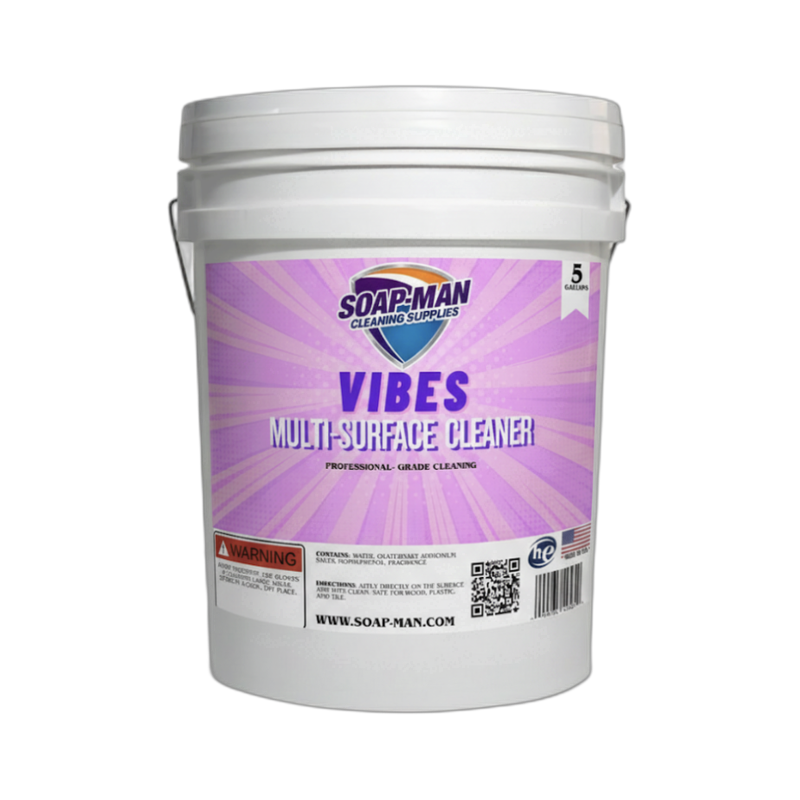
- Multi-surface cleaner — Vibes Multi-Surface Cleaner for countertops, cabinets, and most surfaces throughout the apartment.
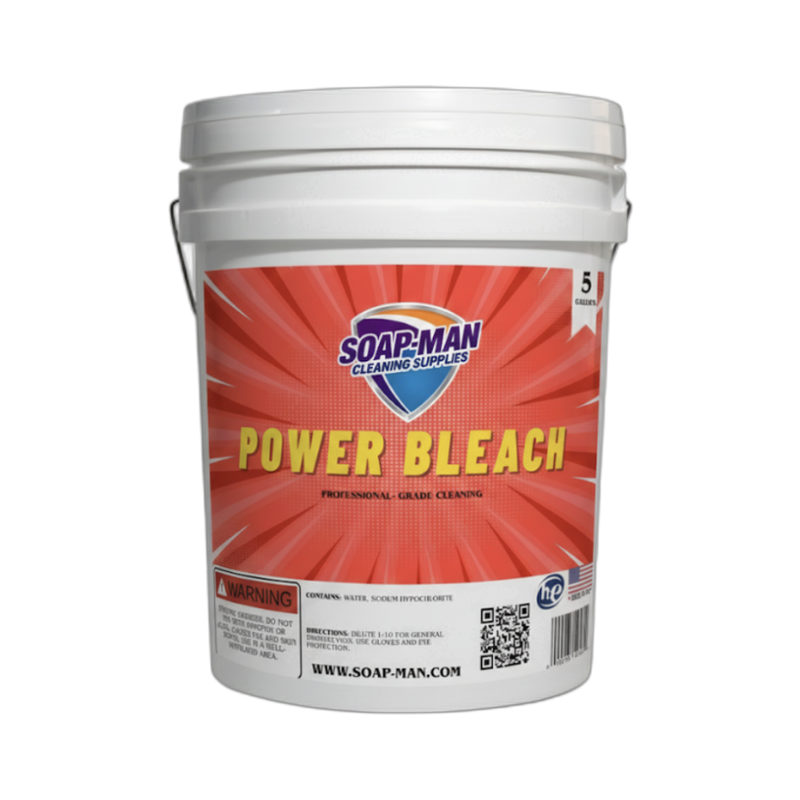
- Bleach — Power Bleach for bathrooms, mildew, and sanitizing.
- Microfiber cloths and sponges
- Vacuum with attachments
- Mop and bucket
- Baking soda and white vinegar
- Trash bags
- Step stool
- Rubber gloves
Step-by-Step: Complete Apartment Cleaning Checklist
Step 1: Kitchen
The kitchen is the most scrutinized room in any move-out inspection and the most-used room in daily life. Clean inside all cabinets and drawers — wipe shelves with Vibes Multi-Surface Cleaner and remove any shelf liner residue. Clean the oven inside and out (run self-clean or use baking soda paste). Clean the stovetop, drip pans, and burner grates. Clean inside the refrigerator — every shelf, drawer, and compartment. Wipe down all countertops and the backsplash. Clean the microwave inside and out (heat a bowl of water with lemon for 3 minutes, then wipe — steam loosens dried food). Wipe cabinet fronts and hardware. Clean the sink and faucet. Run a cleaning cycle on the dishwasher. Mop the floor, paying attention to corners and under the edge of cabinets.
Step 2: Bathroom
Scrub the bathtub/shower, including walls, faucet, and drain area. Clean tile grout with a bleach solution (1 part Power Bleach to 10 parts water) and a grout brush. Clean the toilet completely — bowl, seat, lid, tank exterior, base, and the floor around the base. Clean the vanity, sink, and faucet. Clean the mirror. Wipe all surfaces including towel bars, toilet paper holder, and light fixtures. Clean inside the medicine cabinet. Scrub the bathroom floor, including behind the toilet and along baseboards. Check for mildew in corners, around the tub, and on the ceiling — treat with bleach solution. For move-out: clean or replace the shower curtain liner and caulk any gaps that might cause inspection issues.
Step 3: Living Areas and Bedrooms
Dust every surface from top to bottom — ceiling fan blades, light fixtures, shelves, windowsills, baseboards, and door frames. Clean all windows, inside and out if accessible. Vacuum all carpet areas, including closets and corners. For hard floors, vacuum first then mop. Clean closet interiors — vacuum floors, wipe shelves and rods. Remove all nails, hooks, and adhesive strips from walls (for move-out). Fill nail holes with spackle and touch up paint if required by your lease. Clean all light switch plates and door handles with multi-surface cleaner. Vacuum along all baseboards and in corners where dust collects.
Step 4: Entryway, Hallways, and Storage
Clean the front door inside and out. Clean the entryway floor — this is the first thing you (and inspectors) see. Wipe down the coat closet interior. Clean any hall closets (vacuum floor, wipe shelves). If you have a storage unit or assigned storage area, clean it out completely for move-out. Clean the washer/dryer area if your apartment has in-unit laundry — wipe machines, clean lint trap, and mop the floor underneath.
Step 5: Final Walkthrough
After cleaning every room, do a slow walkthrough. Check every room for missed spots — look at walls for scuff marks (clean with a magic eraser), check ceilings for cobwebs, look at light fixtures for dead bugs, test all light bulbs (replace any that are burned out), and check that all surfaces are clean and dry. For move-out: take photos of every room, every closet, and every appliance (open refrigerator, open oven) for your records. These photos are your proof of condition in case of a security deposit dispute.
Pro Tips
- Clean top to bottom in every room. Dust and drips fall downward. If you mop the floor first and then clean the counters, you'll need to mop again. Start with ceiling fans and light fixtures, work down to counters and surfaces, finish with floors.
- Magic erasers for wall scuff marks. Apartment walls accumulate scuffs from furniture, door handles, shoes, and everyday contact. A melamine foam eraser (magic eraser) removes most scuffs without damaging paint. Test in a hidden spot first — some flat or matte paints can lose their finish.
- Document everything for move-out. Take date-stamped photos of every room after cleaning. If there's a dispute about your security deposit, photos are your strongest evidence. Include close-ups of any pre-existing damage that was there when you moved in.
Common Mistakes
- Forgetting the inside of appliances. The oven, refrigerator, microwave, and dishwasher interiors are standard items on move-out inspection checklists. A clean apartment with a dirty oven will cost you a deduction. Clean inside every appliance.
- Ignoring baseboards and door frames. These accumulate dust that's easy to miss but immediately visible to an inspector or anyone looking at eye level while sitting down. Wipe all baseboards and door frames as part of every deep clean.
- Not cleaning the balcony or patio. If your apartment has an outdoor space, it's part of the unit. Sweep it, wipe the railing, and remove any items. Inspectors check outdoor spaces too.
FAQ
How long does a full apartment cleaning take?
A thorough deep clean of a 1-bedroom apartment takes 4-6 hours. A 2-bedroom takes 6-8 hours. A move-out clean takes longer because you're cleaning inside every cabinet, closet, and appliance. Regular maintenance deep cleans are faster because the buildup is less severe. Budget a full day for move-out cleaning.
Should I hire a professional for move-out cleaning?
If your lease requires professional cleaning, hire a professional and keep the receipt. If it doesn't require it, you can save $200-$400 by doing it yourself with this checklist. However, if your security deposit is large (over $1,000), the cost of a professional cleaning is worth the insurance against deductions.
What do apartment inspectors look for?
Standard inspection items: oven interior, refrigerator interior, bathroom grout and caulk, carpet condition, wall damage (holes, stains, scuffs), light fixtures (working bulbs, clean covers), cabinet interiors, window tracks, and overall cleanliness. Anything that requires repair or cleaning beyond normal wear and tear can be deducted from your deposit.
Can I get my full deposit back if the apartment is old?
Yes. Normal wear and tear (minor scuffs, carpet wear in traffic areas, fading) cannot legally be deducted from your deposit in most states. What can be deducted is damage beyond normal wear and cleaning that wasn't done. A thorough cleaning with this checklist and documentation (photos) puts you in the strongest position to get your full deposit back.
Should I clean a new apartment before moving in?
Always. Even if the previous tenant or landlord cleaned, you should do your own thorough cleaning before putting your belongings in. You're about to live there — start with surfaces you've cleaned yourself. Pay special attention to the kitchen (sanitize counters and appliances), bathroom (sanitize everything), and closets (vacuum and wipe). It takes a few hours and gives you peace of mind.