
Why Move-Out Cleaning Is Different from Regular Cleaning
Move-out cleaning isn't just a deep clean — it's a cleaning to a specific standard. Property managers and landlords inspect every surface in the unit and compare it against the condition it was in when you moved in (adjusted for normal wear and tear). They're looking at the inside of the oven, the top of the refrigerator, the condition of the grout, the walls behind where furniture sat, and dozens of other areas that never get attention during normal cleaning.
The stakes are real. Security deposits typically range from one to two months' rent. Losing even a portion to cleaning charges is money you could have kept by spending 4-6 hours with the right supplies and this checklist. Professional move-out cleaning services charge $200-$500, so doing it yourself saves that too.
This guide covers every area that property managers inspect, in the order professionals complete them. Follow it completely and you'll pass the strictest walk-through inspection.
What You'll Need
Stock up on everything before you start. The unit should be empty of your belongings before cleaning begins — cleaning around boxes and furniture wastes time and means missed spots.
- Multi-surface cleaner — Vibes Multi-Surface Cleaner handles the majority of surfaces in any rental unit. Its residue-free formula is important — landlords notice tacky film on countertops and appliances.
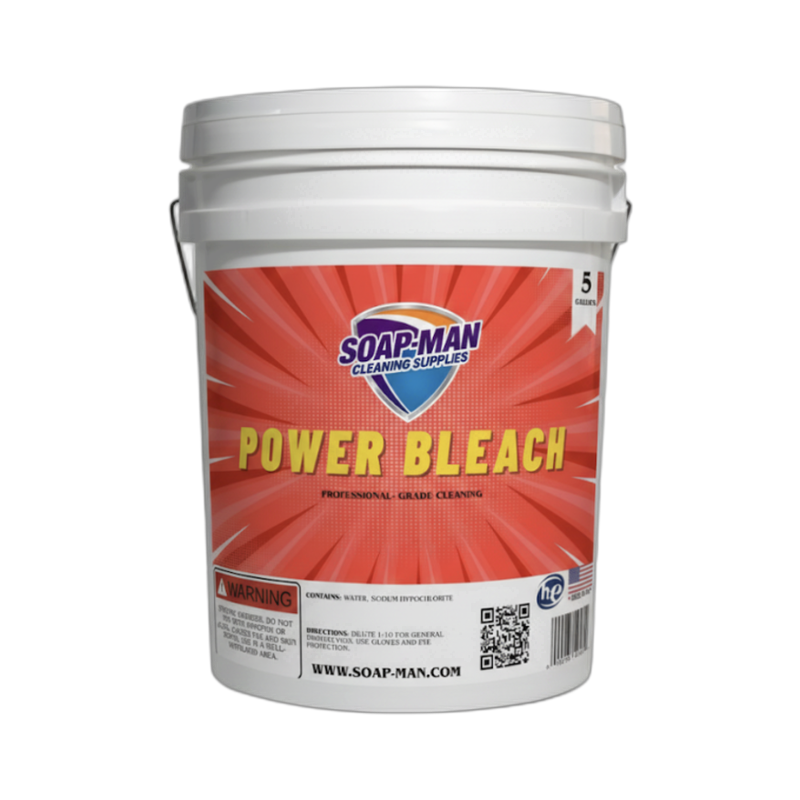
- Bleach — Power Bleach for bathroom disinfection, toilet cleaning, and mold removal in shower areas. Dilute according to label directions.
- Glass cleaner — Streak Free Glass Cleaner for every window, mirror, and glass surface. Streaky windows are one of the most common deductions on move-out inspections.
- Kitchen degreaser — For the oven, stovetop, and range hood.
- Baking soda — For oven cleaning, stain removal, and odor neutralization.
- White vinegar — For mineral deposits, hard water stains, and faucet cleaning.
- Magic eraser sponges — For scuff marks on walls, door frames, and baseboards.
- Microfiber cloths (at least 15) — Move-out cleaning goes through cloths fast.
- Scrub brushes — Grout brush, general scrub brush, detail brush.
- Vacuum with attachments — Including crevice tool and extension wand.
- Mop and bucket
- Step stool
- Trash bags
- Rubber gloves
Before You Start: Pre-Cleaning Prep
Remove All Belongings
Every item you own needs to be out of the unit before cleaning starts. This includes items in closets, cabinets, drawers, the garage, storage areas, and the patio or balcony. Anything left behind may result in a removal charge against your deposit. Check every shelf, every drawer, every cabinet, and every closet — including the one in the hallway you never used.
Remove Wall Hangings and Fill Holes
Take down all nails, screws, and wall anchors. Small nail holes from picture hanging are generally considered normal wear and tear. Larger holes from anchors or shelving should be filled with lightweight spackle, smoothed flat with a putty knife, and touched up with matching paint if you have it. Let spackle dry completely before doing any wall cleaning.
Replace Burned-Out Light Bulbs
Walk through the entire unit and test every light fixture. Replace any burned-out bulbs. This is a common deduction that's cheap to prevent — a $1 bulb can save a $25 charge on your deposit.
Replace Air Filters
HVAC air filters should be replaced or at minimum cleaned before you leave. Many leases require this. A new filter costs $5-15 and prevents a $30-50 deduction.
Kitchen
Oven and Stovetop
The oven interior is one of the top three areas that generate deposit deductions. If the oven has a self-clean function, run it (allow 3-4 hours). Otherwise, coat the interior with a thick paste of baking soda and water, close the door, and let it sit overnight. The next day, wipe out the paste and loosened grime. Spray any remaining stubborn spots with degreaser, let sit, and scrub.
Remove stove burner grates, drip pans, and knobs. Soak in hot water with degreaser. Clean the stovetop surface — both the cooking area and the control panel area. Don't forget the sides and front of the stove.
Pull the stove out from the wall and clean the floor underneath and the sides of the stove that sit against cabinets. Property managers pull appliances out during inspections.
Refrigerator
Remove all shelves and drawers. Wash each one in the sink with warm soapy water. Dry completely before reinstalling. Wipe every interior surface with Vibes Multi-Surface Cleaner — including the ceiling of the fridge, the walls, the door interior, and the door gaskets where mold hides.
Clean the freezer the same way. If there's ice buildup, defrost the freezer first. Clean the exterior — top, sides, front, and handles. Pull the fridge out and clean the floor underneath and vacuum the coils.
Dishwasher
Clean the drain and filter at the bottom. Wipe the door interior, gaskets, and racks. Run an empty cycle with vinegar on the top rack. Wipe the exterior and control panel. The dishwasher should look and smell clean when opened.
Microwave
Heat a bowl of water with lemon juice inside for 3 minutes to loosen food splatters. Wipe the interior completely clean. Clean the exterior and the area behind or above the microwave.
Cabinets and Drawers
Open every cabinet and drawer. Wipe the interior surfaces. Remove shelf liners if you installed them. Wipe cabinet fronts and handles. Pay special attention to the cabinets above the stove — they accumulate cooking grease on the exterior.
Countertops and Backsplash
Clean every counter surface. Clean the backsplash, paying attention to grout lines. Clean behind counter appliance areas — even if the appliances belong to the unit, pull them forward and clean behind them.
Sink and Fixtures
Scrub the sink basin until it shines. Clean the faucet and handles — use vinegar for mineral deposits around the base. Clean the garbage disposal with ice and lemon. Make sure the drain stopper is clean.
Kitchen Floor
Sweep or vacuum first. Mop thoroughly. Clean grout if the floor is tile. Get into corners and along baseboards. Pull out the trash can and clean the area where it sat — this spot is often stained and sticky.
Bathrooms
Shower and Tub
This is the other top-three deposit deduction area. Remove soap scum from all surfaces. Clean tile grout — if it's stained, use a paste of baking soda and bleach (for white grout) or baking soda and hydrogen peroxide (for colored grout). Scrub with a grout brush. Clean glass shower doors with Streak Free Glass Cleaner inside and out. Clean the shower track if there are sliding doors — this area collects mold and mineral deposits.
Remove the showerhead and soak in vinegar for mineral deposits. Clean the drain — remove hair and debris. If there's caulk with mold that won't clean, note it — some property managers will re-caulk as maintenance rather than charging the tenant.
Toilet
Apply Power Bleach (diluted) inside the bowl and under the rim. Let it sit while you clean other bathroom surfaces. Clean the entire exterior: tank, lid (top and bottom), seat (top and bottom), base, bolts, and the floor immediately around the toilet. Scrub the bowl interior with a brush, paying attention to the waterline and under the rim.
The area behind the toilet is frequently missed by tenants and frequently inspected by property managers. Clean it thoroughly.
Vanity, Sink, and Mirror
Clean the sink basin and faucet. Remove mineral deposits around faucet handles with vinegar. Wipe the vanity countertop. Clean cabinet fronts and interior. Clean the mirror until completely streak-free — a streaky bathroom mirror is an immediate visual flag during inspection.
Exhaust Fan
Remove the exhaust fan cover and wash it. Vacuum dust from the fan mechanism. Reinstall the clean cover. A dusty exhaust fan cover is another common deduction.
Bathroom Floor
Sweep or vacuum. Mop with diluted bleach solution for disinfection. Scrub grout if discolored. Clean behind the toilet and in corners. Wipe baseboards.
All Rooms
Walls
Wipe down all walls with a damp cloth. Use magic eraser for scuff marks, crayon, and marks from furniture that rubbed against walls. Be careful with flat paint — aggressive scrubbing can remove the finish. Light pressure with a magic eraser handles most marks without damaging paint.
Baseboards
Wipe every baseboard in every room. This is one of the most commonly missed areas in move-out cleaning and one of the easiest to address. A damp microfiber cloth removes accumulated dust and scuffs in minutes per room.
Doors and Closets
Clean all door surfaces — both sides. Wipe door frames. Clean doorknobs and hinges (use multi-surface cleaner). Inside closets: vacuum or sweep the floor, wipe shelves and rods, wipe walls if they have marks or dust.
Windows
Clean every window inside and out (if safely accessible). Clean window tracks — vacuum debris, then wipe with a damp cloth. Clean window sills. This is where Streak Free Glass Cleaner earns its name — spray onto a microfiber cloth, wipe the glass, then buff with a dry cloth for a perfectly clear finish.
Light Fixtures and Switches
Dust and clean all light fixtures. Wipe light switch plates and outlet covers. If ceiling fixtures have glass covers, remove and wash them. Reinstall once dry.
Ceiling Fans
Dust each blade (use the pillowcase method). Wipe the motor housing and pull chains. A dusty ceiling fan is visible during any inspection.
Floors
Vacuum all carpet thoroughly — including closets and corners. Mop all hard floors. For carpet with stains, spot-treat before vacuuming. Consider renting a carpet cleaning machine for heavily soiled areas — the $40-50 rental cost is far less than a carpet cleaning charge against your deposit.
Commonly Missed Areas (The Deposit Killers)
Inside the Oven
The number one deposit deduction. If you haven't cleaned inside the oven in months (or ever), start this first and let cleaning solutions work overnight. A clean oven interior is non-negotiable for passing a move-out inspection.
Refrigerator Coils and Underneath
Property managers pull the fridge out. They check the floor underneath and the condition of the coils. Vacuum the coils and clean the floor. This takes 10 minutes and prevents a significant charge.
Window Tracks
Filled with dead bugs, dust, and debris. Vacuum with the crevice tool, then wipe with a damp cloth. Takes 2 minutes per window and is always inspected.
Behind the Toilet
Dust, hair, and moisture create a grimy film on the wall and floor behind toilets. Clean this area from every angle.
Cabinet Interiors
Every cabinet and drawer is opened during inspection. Crumbs in kitchen cabinets, spills in bathroom cabinets, and dust in closet shelves all count. Open everything and wipe it down.
Exhaust Fan Covers
A quick removal, wash, and reinstall prevents a deduction. This is a 5-minute task that tenants consistently overlook.
Pro Tips
- Work top to bottom, room by room. Start with ceiling fixtures, work down walls, end with floors. This ensures dust and debris fall to areas you haven't cleaned yet.
- Start with the kitchen and bathrooms. These rooms have the most deposit-sensitive items (oven, fridge, shower, toilet). Get them done while your energy is highest.
- Take photos of everything. Document the cleaned condition of every room, every appliance interior, and every commonly deducted area. If there's a deposit dispute, dated photos are your evidence.
- Check your move-in inspection report. Compare what was noted when you moved in with the current condition. Pre-existing damage documented on your move-in checklist can't be charged against your deposit.
- Ask the landlord for their checklist. Many property managers have a specific move-out cleaning checklist. Ask for it and follow it exactly — this removes all guesswork about their expectations.
- Schedule a pre-inspection. Some landlords will do a walk-through before the official inspection to point out areas that need additional attention. This gives you a chance to fix problems before they become deductions.
Common Mistakes
Cleaning with Belongings Still in the Unit
You can't properly clean behind, under, and around furniture and boxes. Move everything out first, then clean. Trying to clean around belongings means missed spots that will show up during inspection.
Forgetting the Exterior Spaces
If your unit includes a balcony, patio, or garage, these spaces need to be cleaned too. Sweep the balcony. Remove any items from the patio. Sweep the garage floor. These are part of your rental unit and included in the inspection.
Not Replacing Consumables
Light bulbs, air filters, and batteries in smoke detectors are tenant responsibilities in most leases. Replacing these costs a few dollars and prevents charges of $10-30 each.
Rushing the Job
A proper move-out clean takes 4-6 hours for a standard apartment, 6-10 hours for a house. Rushing leads to missed areas that become deposit deductions. Set aside enough time to do it right, or start the day before your move-out date rather than the morning of.
Leaving Cleaning Product Residue
A surface with cleaning product residue can look worse than a dirty surface — it's hazy, tacky, and attracts dust immediately. Always follow cleaning with a plain water rinse, especially on countertops, appliance surfaces, and tile floors.
Frequently Asked Questions
How much can a landlord deduct for cleaning?
Landlords can deduct the reasonable cost of returning the unit to its move-in condition (minus normal wear and tear). Professional cleaning typically costs $200-$500. However, specific deductions for items like oven cleaning ($50-75), carpet cleaning ($150-$300), or wall repair ($100+) can add up quickly. Doing the work yourself is almost always more cost-effective.
What counts as normal wear and tear?
Normal wear and tear includes minor scuffs on walls, small nail holes from pictures, slight carpet wear in traffic paths, and minor fading of paint. It does not include: large holes in walls, stained carpets, mold in showers, grease-coated ovens, or damage from pets. The line between wear and damage varies by jurisdiction — check your local tenant rights laws.
Should I hire professional cleaners for move-out?
Professional move-out cleaning costs $200-$500 and guarantees a thorough job. If your time is worth more than the cost of professional cleaning, or if you're not confident in your ability to meet the standard, hiring professionals is a smart investment. Some cleaning services offer move-out cleaning with a guarantee — if the landlord isn't satisfied, they'll come back and address the issues.
What if there's damage I can't fix with cleaning?
Be upfront about it. Trying to hide damage that gets discovered during inspection looks worse than disclosing it. Some landlords will work with you on repair costs if you're honest about the issue. Document the damage with photos and your explanation.
How far in advance should I schedule move-out cleaning?
Clean the unit the day before your move-out date or the same day you finish moving out. Cleaning too early means dust resettles and new marks appear as you move the last of your belongings. The freshest possible clean on the day of inspection gives the best results.