
What Deep Cleaning Actually Means
Regular cleaning maintains appearances — you wipe counters, vacuum floors, and scrub toilets. Deep cleaning tackles everything that regular cleaning misses: the grime behind appliances, the dust on ceiling fan blades, the buildup inside oven vents, the mold forming along shower caulk, and the film coating light fixtures you haven't touched in months.
A proper deep clean takes a typical 3-bedroom home 4-8 hours, depending on how long it's been since the last one. Professional cleaning services charge $200-$400 for this work. Whether you're doing it yourself or managing a team of cleaners, having a systematic checklist ensures nothing gets missed and the job gets done in the least amount of time.
This guide breaks down every task by room, in the order professionals complete them. The sequence matters — you always work top to bottom (dust falls downward) and dry to wet (dust before spraying). Follow this order and you'll avoid re-cleaning surfaces you've already finished.
What You'll Need
Gather all supplies before starting. Walking back and forth to the supply closet wastes time and breaks momentum.
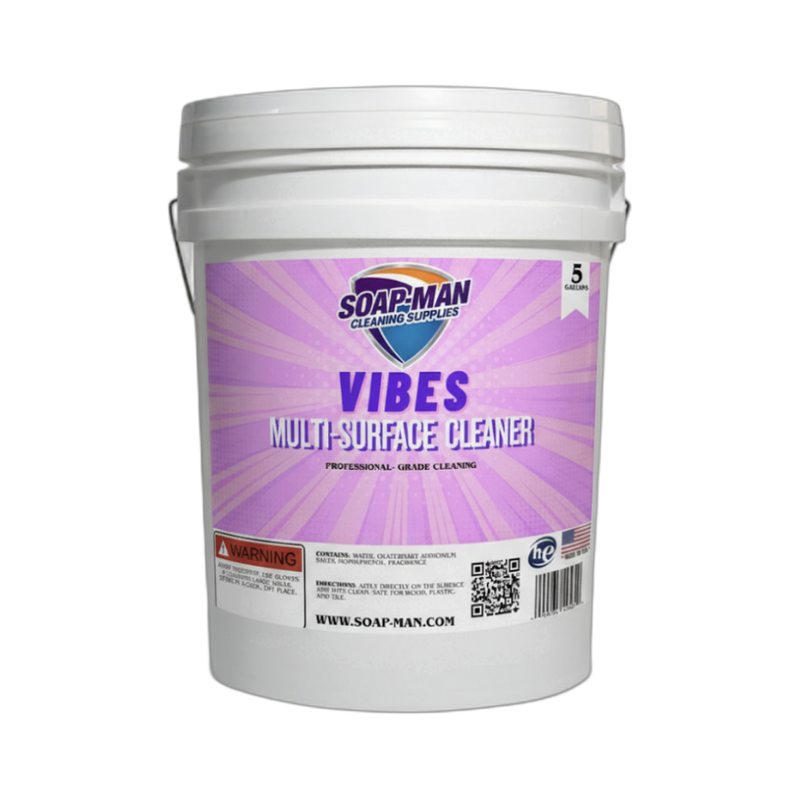
- Multi-surface cleaner — Vibes Multi-Surface Cleaner handles the majority of surfaces throughout the house. Mix at 1:32 dilution for general cleaning, 1:16 for heavy grime.
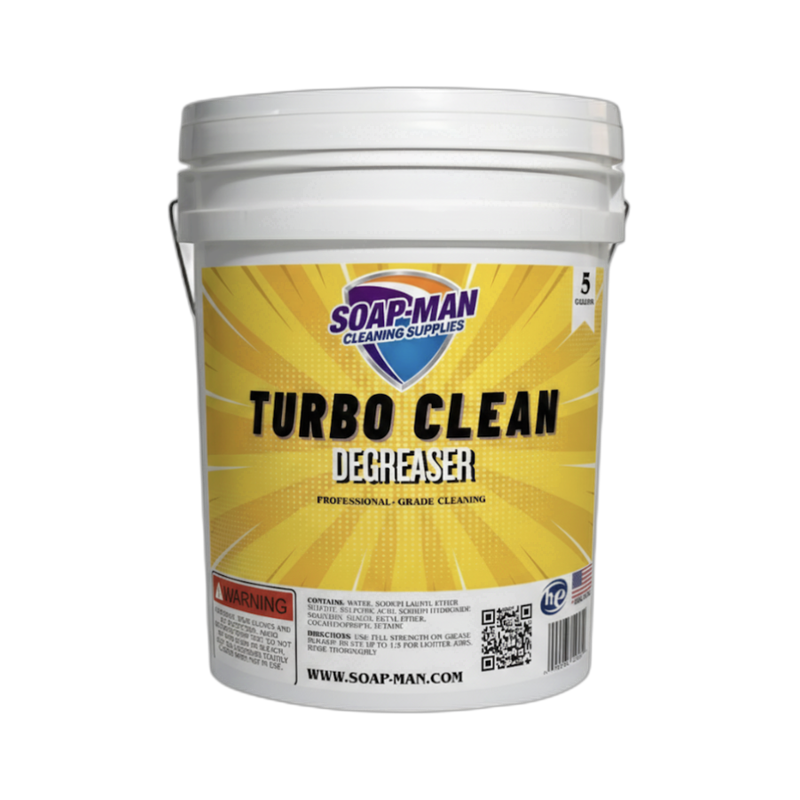
- Degreaser — Turbo Clean Degreaser for the kitchen. Range hoods, oven exteriors, and the areas around the stove need a degreaser — multi-surface cleaner won't cut through baked-on cooking grease.
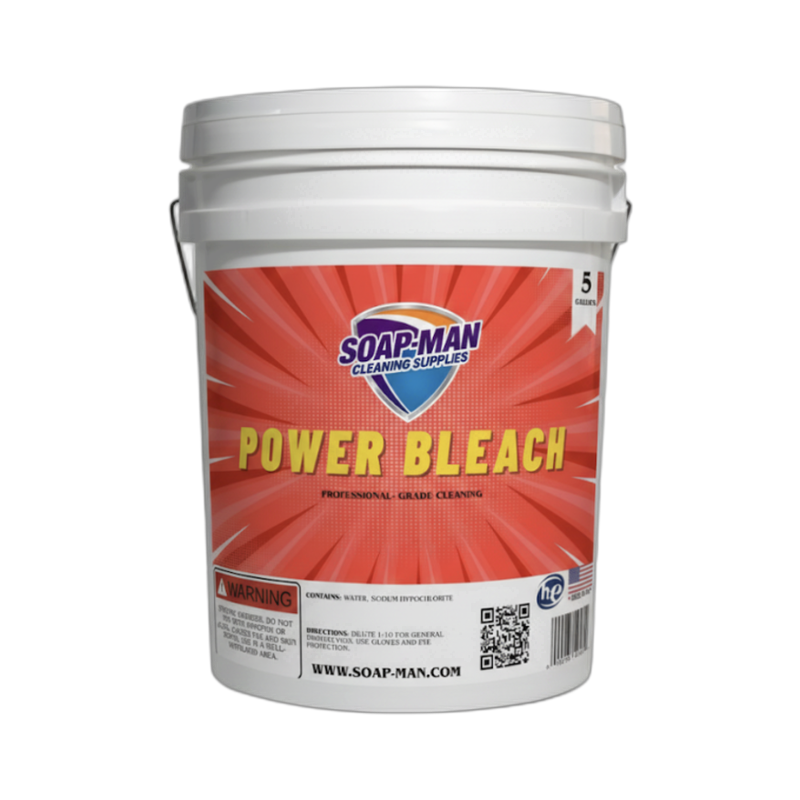
- Bleach or disinfectant — Power Bleach diluted according to directions for bathroom disinfection, mold treatment, and toilet sanitization.
- Glass cleaner — For mirrors, windows, and glass surfaces throughout the house.
- Microfiber cloths (at least 12) — Dedicate colors to areas: one color for kitchens, one for bathrooms, one for general surfaces. This prevents cross-contamination.
- Scrub brushes — A stiff grout brush, a soft all-purpose brush, and a detail brush (old toothbrush) for tight spaces.
- Vacuum with attachments — Crevice tool, upholstery brush, and extension wand for reaching ceiling corners and under furniture.
- Mop and bucket — Or a microfiber mop system for hard floors.
- Step stool or ladder — You're cleaning top to bottom, which means starting at the ceiling.
- Rubber gloves — Protect your hands during the entire deep clean.
- Trash bags — You'll be decluttering as you go.
- Bucket of warm water — For rinsing cloths and diluting cleaning solutions.
Before You Start: The Pre-Clean
Declutter Every Room
Walk through the house with a laundry basket and trash bag. Pick up anything that's out of place — mail, toys, clothes, dishes, random items on counters and tables. Deep cleaning is 10 times harder when you're constantly moving objects to clean around them. Clear the surfaces first, then clean them.
Strip All Linens
Pull sheets, pillowcases, and mattress covers off every bed. Gather all towels from bathrooms. Pull kitchen towels and dishcloths. Start a load of laundry immediately — this runs in the background while you clean and gives you fresh linens to put back when you're done.
Open Windows
Fresh air circulation helps cleaning products dry faster, reduces fume buildup, and genuinely makes the cleaning process more pleasant. Open at least one window per room if weather permits.
Kitchen Deep Clean
Ceiling and Upper Walls
Start at the top. Use a damp microfiber cloth on your extension wand to wipe the kitchen ceiling for grease film — cooking produces airborne grease that coats every surface over time. Wipe light fixtures, the top of the refrigerator, and upper cabinet tops where dust and grease film accumulates.
Range Hood and Exhaust Fan
Remove the range hood filters and soak them in a basin of hot water with Turbo Clean Degreaser. While they soak, spray the exterior and interior of the range hood with degreaser. Let it sit for 5 minutes, then wipe clean. The filters should scrub clean after 20 minutes of soaking. Let them dry completely before reinstalling.
Oven and Stovetop
If your oven has a self-clean function, run it before starting the kitchen deep clean (the process takes 2-4 hours and produces heat and fumes). For manual oven cleaning, spray the interior with oven cleaner or a thick paste of baking soda and water. Close the door and let it work for at least 30 minutes while you clean other parts of the kitchen.
For the stovetop, remove burner grates and knobs. Soak grates in hot water with degreaser. Spray the stovetop surface with degreaser and let it sit while you handle other tasks. Come back and wipe — the dwell time makes heavy grease much easier to remove.
Refrigerator
Remove all food. Throw away anything expired. Take out removable shelves and drawers and wash them in the sink with warm, soapy water. Wipe down every interior surface with a cloth dampened with Vibes Multi-Surface Cleaner. Pay special attention to the door gaskets — the rubber seals around the door — where mold and mildew accumulate.
Pull the refrigerator away from the wall. Vacuum the condenser coils (bottom or back panel) — dust-clogged coils make the fridge work harder and shorten its life. Sweep and mop the floor underneath. Clean the exterior with multi-surface cleaner.
Cabinets and Drawers
Wipe all cabinet fronts with a cloth dampened with multi-surface cleaner. Focus on the areas around handles where fingerprints and cooking grease accumulate. For cabinets near the stove, you may need degreaser. Open each drawer and cabinet and wipe the interior — crumbs, dust, and spills accumulate inside.
Dishwasher
Pull out the bottom rack and clean the drain at the base — this is where food debris collects and causes odor. Wipe down the door interior and gaskets. Run an empty cycle with a cup of white vinegar placed on the top rack to remove mineral buildup and odor.
Countertops, Backsplash, and Sink
Spray countertops and backsplash with multi-surface cleaner. For grout between backsplash tiles, use a grout brush with a paste of baking soda and water. Clean the sink thoroughly — scrub the basin, faucet, handles, and drain. Flush the garbage disposal with ice cubes and lemon peels to clean and deodorize.
Small Appliances
Wipe down the exterior of the microwave, toaster, coffee maker, and any other countertop appliances. Clean the interior of the microwave: heat a bowl of water with lemon juice for 3 minutes to loosen food splatters, then wipe clean. Run a vinegar cycle through the coffee maker.
Kitchen Floor
Sweep or vacuum first, including under cabinets and behind the trash can. Mop with a diluted multi-surface cleaner. For tile floors with grout, a more concentrated solution and a grout brush handle the darkened grout lines that regular mopping misses.
Bathroom Deep Clean
Ceiling and Exhaust Fan
Bathroom ceilings develop mold in humid environments. Check for dark spots and treat with diluted Power Bleach. Remove the exhaust fan cover and soak it in warm, soapy water. Vacuum dust from the fan motor. Reinstall the cover once dry.
Shower and Tub
Spray the entire shower — walls, floor, door, and fixtures — with multi-surface cleaner for soap scum, or diluted bleach for mold. Let it sit for 10 minutes. Scrub tile grout with a grout brush. For heavy mold in caulk lines, apply a thick line of bleach directly onto the caulk and let it sit for 30 minutes before scrubbing and rinsing.
Remove the showerhead and soak it in vinegar for 30 minutes to dissolve mineral deposits. Scrub with a toothbrush, then rinse and reinstall. Clean the shower drain by removing the cover and pulling out any hair and debris (use a drain snake if needed).
Toilet
Apply bleach inside the bowl and under the rim. Let it sit while you clean the exterior. Wipe the exterior — tank, lid (top and bottom), seat (top and bottom), base, and the floor around the base. Use a dedicated cloth that never touches anything else. Scrub the bowl interior with a toilet brush, paying attention to the waterline where stains form.
Don't forget the areas behind the toilet — dust, hair, and moisture accumulate there and are a common source of bathroom odor.
Vanity, Sink, and Mirror
Clean the sink basin, faucet, and handles. Wipe the vanity countertop and cabinet fronts. Clean the mirror with glass cleaner — spray onto the cloth, not the mirror, to prevent drips behind the frame. Open vanity drawers and cabinets and wipe interiors. Throw away expired medications and toiletries.
Bathroom Floor
Sweep or vacuum first (bathroom floors collect an astonishing amount of hair). Mop with a diluted multi-surface cleaner or bleach solution for disinfection. Use a grout brush on discolored grout. Pay attention to the area around the toilet base and behind the door.
Bedroom Deep Clean
Ceiling and Walls
Dust the ceiling fan blades — slip a pillowcase over each blade and pull it off to trap the dust inside. Dust light fixtures. Check walls for scuffs and marks — a damp microfiber cloth with multi-surface cleaner removes most scuff marks.
Mattress
With linens stripped, vacuum the mattress surface with the upholstery attachment. Sprinkle baking soda over the entire surface, let it sit for 30 minutes, then vacuum again. This removes dust mites, absorbs odors, and freshens the sleeping surface. Flip or rotate the mattress per the manufacturer's recommendations.
Closet
Take everything out. Vacuum the floor. Wipe shelves. This is also a good time to purge clothing and items you no longer use. Reorganize as you put items back.
Furniture
Pull furniture away from walls. Vacuum behind and under dressers, nightstands, and beds. Dust all surfaces including the undersides of shelves and the backs of furniture. Wipe with multi-surface cleaner as needed.
Windows and Treatments
Clean windows inside and out if accessible. Vacuum or wipe blinds (dust accumulates quickly on horizontal blinds). Wash curtains if they're machine-washable, or vacuum them with the upholstery attachment.
Living Areas Deep Clean
Upholstery and Cushions
Remove couch cushions and vacuum underneath — this is where years of crumbs, coins, and debris hide. Vacuum all upholstered surfaces with the upholstery brush attachment. Spot-treat any stains. If slipcovers are removable and washable, launder them.
Electronics and Entertainment Center
Dust all electronics, including the backs and cable areas where dust bunnies thrive. Use a dry microfiber cloth for screens — never spray cleaner directly on a TV or monitor. Organize and dust cable runs.
Baseboards and Trim
Wipe all baseboards with a damp microfiber cloth. This is one of the most commonly skipped tasks in regular cleaning, and the difference is immediately visible. For heavily dusty baseboards, vacuum first with the crevice tool, then wipe.
Doors, Frames, and Light Switches
Wipe door handles, light switch plates, and outlet covers — these are high-touch surfaces that collect oils and grime. Clean the top of door frames where dust accumulates unseen.
Pro Tips
- Work top to bottom, back to front. Dust and debris fall downward. Clean ceilings before walls, walls before floors. Start at the back of a room and work toward the door so you don't track through your clean areas.
- Let products do the work. Spray a surface and move on to the next task while it sits. Come back and wipe in 5-10 minutes. The dwell time is when the cleaning happens — your elbow grease should be minimal.
- Color-code your cloths. Use one color for kitchens, another for bathrooms, another for general surfaces. This prevents cross-contamination (you don't want toilet bacteria on your kitchen counters).
- Set a timer for each room. Perfectionism is the enemy of completion. Allocate time per room and move on when the timer sounds. You can always come back for touch-ups.
- Tackle the worst room first. When your energy is highest, attack the room that needs the most work (usually the kitchen or bathroom). Save easier rooms for when fatigue sets in.
- Play music or a podcast. Deep cleaning is a marathon, not a sprint. Something entertaining in the background makes the hours pass faster.
Common Mistakes
Starting Without Decluttering
Trying to deep clean around clutter doubles your time. You'll move the same item three times — once to clean under it, once to put it back, and once when you realize you need to clean behind it too. Declutter first, clean second.
Cleaning Bottom to Top
If you mop the kitchen floor first and then clean the counters, crumbs and spray will land on your freshly mopped floor. Always work from the highest point in the room to the lowest. Floors are always last.
Using One Cloth for Everything
A single cloth gets saturated quickly and starts redistributing dirt rather than removing it. By the third surface, you're just moving grime around. Use fresh cloths frequently and separate them by area to prevent cross-contamination.
Skipping the Rinse
Cleaning product left on surfaces attracts dust and can leave a tacky film. After applying any cleaning solution, follow with a cloth dampened with plain water to remove product residue. This is especially important on kitchen counters and bathroom fixtures.
Trying to Do Everything in One Day
If your home hasn't been deep cleaned in months, trying to do every room in a single day leads to burnout and half-finished work. Spread it over a weekend — tackle the kitchen and bathrooms one day, bedrooms and living areas the next. A thorough job over two days beats a rushed job in one.
Frequently Asked Questions
How often should I deep clean?
For most homes, a full deep clean every 3-4 months keeps things in good shape. If you have pets, children, or high-traffic areas, every 2-3 months is better. Commercial spaces typically need monthly deep cleaning in addition to daily maintenance cleaning.
What's the difference between deep cleaning and regular cleaning?
Regular cleaning maintains surfaces — vacuuming, wiping counters, scrubbing toilets, mopping floors. Deep cleaning addresses everything that regular cleaning skips: behind appliances, inside cabinets, ceiling fans, baseboards, oven interiors, mattresses, window tracks, and built-up grime that accumulates over time.
Should I deep clean before or after regular cleaning?
Deep cleaning replaces your regular cleaning for that session. It covers everything regular cleaning does, plus the additional deep tasks. Don't waste time doing a regular clean and then coming back for a deep clean — just do the deep clean.
How do I maintain the results of a deep clean?
Consistent daily and weekly habits extend the results dramatically. Wipe kitchen surfaces after cooking, squeegee the shower after each use, deal with spills immediately, and vacuum high-traffic areas twice a week. These small habits mean your next deep clean will be easier and faster.
What should I clean first in a deep clean?
Start with the kitchen — it's usually the dirtiest room with the most built-up grease and grime. Bathrooms are second. Then bedrooms and living areas. Entryways and hallways last. This order front-loads the heavy work when your energy is highest and lets you coast through the easier rooms at the end.