
Why Baby Bottles Need More Than a Rinse
Milk is a protein-rich liquid that clings to plastic and glass surfaces, especially in the narrow neck of the bottle, around the nipple hole, and inside the threads where the nipple screws onto the bottle. Left behind, milk residue turns rancid within hours and becomes a breeding ground for bacteria that can cause serious illness in infants whose immune systems are still developing. A quick water rinse does not break down milk fats or proteins — you need soap, scrubbing, and proper drying. Dishwasher-safe bottles can go in the top rack, but even those benefit from a pre-clean to remove stuck residue.
What You'll Need
- Dedicated bottle brush — with a narrow nipple brush on the end.
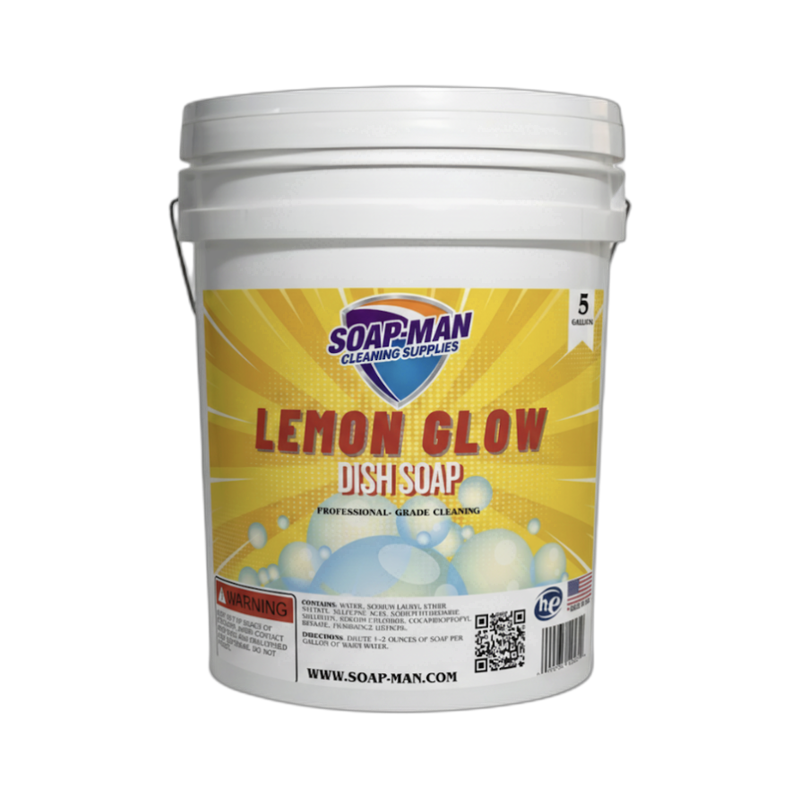
- Mild dish soap — Lemon Glow Dish Soap rinses clean without leaving fragrance residue.
- Clean basin — used only for bottles, not general dishes.
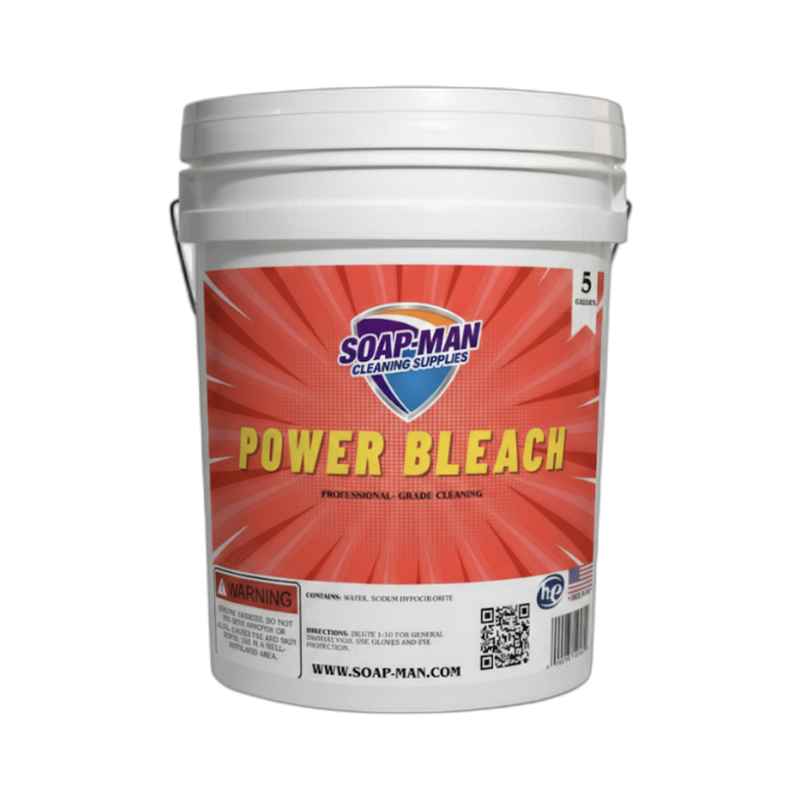
- Diluted bleach solution — Power Bleach for weekly sterilizing (1 teaspoon per gallon of water).
- Drying rack — a dedicated bottle rack keeps parts elevated and air-exposed.
Step-by-Step: How to Clean Baby Bottles
Step 1: Rinse Immediately After Use
Rinse bottles with cool water immediately after feeding. Cool water first — hot water cooks milk proteins onto the plastic and makes them harder to remove. Disassemble every part: bottle, nipple, ring, cap, and any valve inserts. Never leave a used bottle sitting with milk inside, even for an hour.
Step 2: Wash Each Part Separately
Fill your dedicated basin with hot soapy water. Squirt in a small amount of Lemon Glow Dish Soap. Scrub the bottle interior with the bottle brush, reaching the bottom and working up the sides. Use the nipple brush attachment to clean the nipple hole — squeeze soapy water through the hole to flush out any residue. Scrub the threading at the top of the bottle where the ring attaches.
Step 3: Rinse Thoroughly With Hot Water
Rinse every part under running hot water for at least 10 seconds. Soap residue can upset an infant's stomach, so do not rush this step. Squeeze water through the nipple hole repeatedly to ensure no soap is trapped inside.
Step 4: Air-Dry on a Dedicated Rack
Place all parts on a clean bottle drying rack with openings facing down. Never use a dish towel — towels transfer lint and bacteria. Let everything air-dry completely before reassembling. Damp bottles stored with lids on grow mildew inside.
Pro Tips
- Sterilize weekly. Once a week, soak bottles and nipples in a diluted Power Bleach solution (1 teaspoon per gallon) for two minutes, then rinse thoroughly. This kills any bacteria that routine washing misses.
- Replace nipples every two months. Even well-cleaned nipples develop micro-cracks that harbor bacteria. Check for cloudiness, tears, or discoloration and replace immediately.
- Use a dedicated bottle basin and brush. Cross-contamination from regular dishes (especially raw meat prep) is a real risk. Keep bottle-cleaning supplies completely separate.
FAQ
Can I wash baby bottles in the dishwasher?
Yes, if the bottles are labeled dishwasher-safe. Place them on the top rack away from the heating element. Use the sanitize cycle if your dishwasher has one. Still rinse milk residue off before loading — dried milk does not always fully dissolve in a dishwasher cycle.
Do I need to sterilize bottles every time?
No. Sterilizing every bottle before every use is only necessary for newborns under three months, premature babies, or infants with weakened immune systems. For healthy full-term babies over three months, thorough soap-and-water washing is sufficient. A weekly sterilization round covers the rest.
How do I remove cloudy residue from old bottles?
Cloudy film is usually hard water mineral buildup or milk fat residue. Soak bottles in equal parts white vinegar and warm water for 30 minutes, then scrub and rinse. For stubborn film, a bleach soak as described above will dissolve protein buildup.
Is it safe to use regular dish soap on baby bottles?
Yes, as long as the soap is rinsed completely. Mild dish soaps without strong fragrances or dyes are best. Rinse each part for at least 10 seconds under hot running water to remove all soap traces.