
Why Your Water Bottle Is Dirtier Than You Think
Studies have repeatedly found that reusable water bottles grow shocking amounts of bacteria — sometimes more than a toilet seat, a pet bowl, or a kitchen sponge. The issue isn't the bottle itself but the places you can't easily reach: the underside of the lid, the rubber gasket seal, the straw (if there is one), and the tight corners where the lid screws on. These spots stay damp, they're touched by your mouth, and they rarely see a thorough wash.
Proper water bottle cleaning means hitting every part, every time. This guide breaks down the full method for keeping bottles safe and odor-free.
What You'll Need
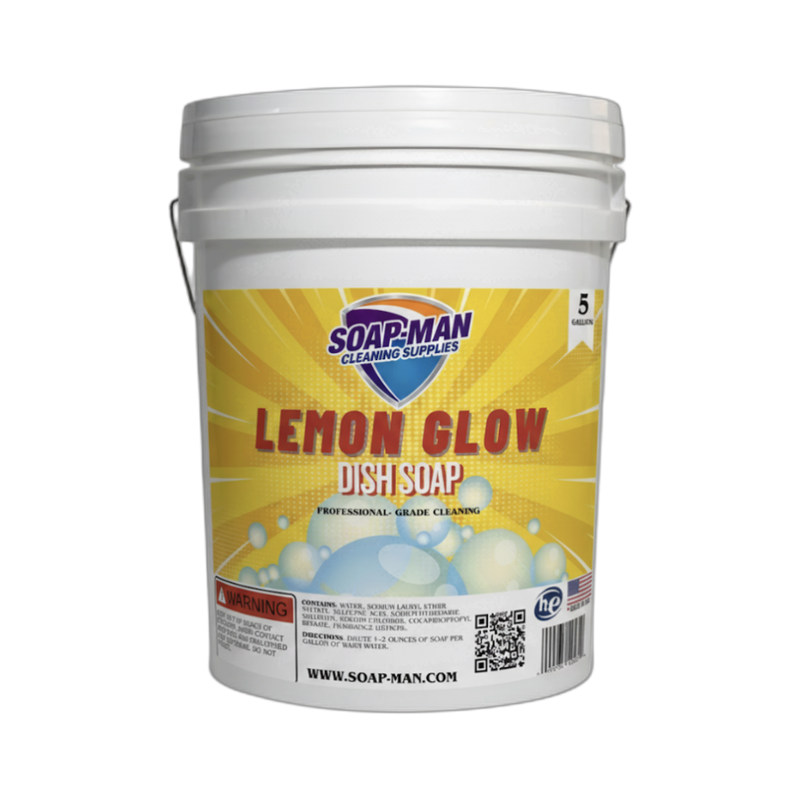
- A quality dish soap — Lemon Glow Dish Soap cuts through residue effectively.
- A bottle brush — long enough to reach the bottom of the bottle.
- A small straw brush or pipe cleaner — for straws and narrow channels.
- A soft-bristled brush or toothbrush — for lid threads and gaskets.
- White vinegar — for deodorizing.
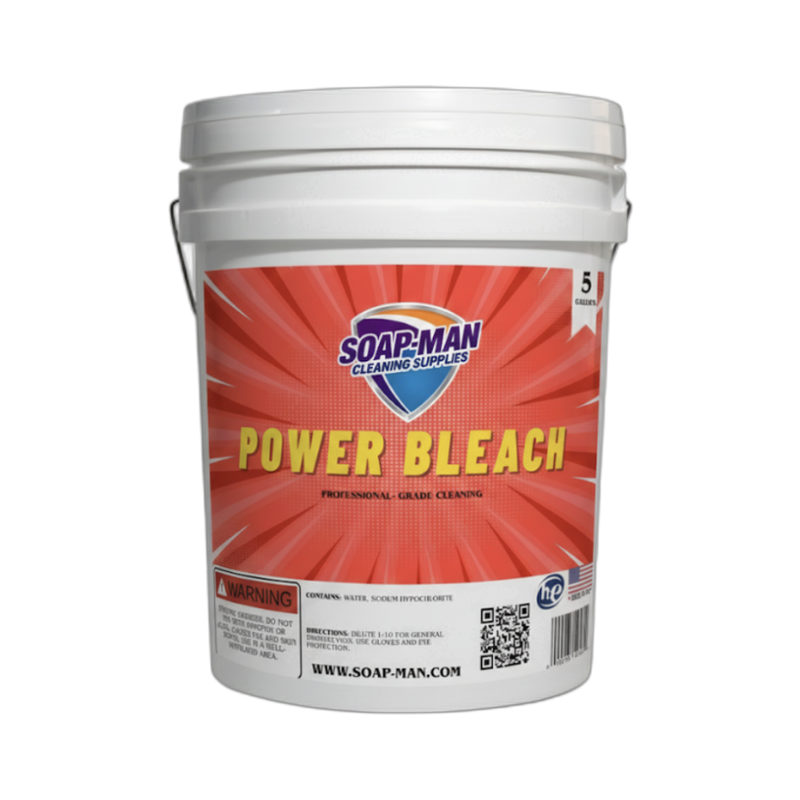
- Bleach — Power Bleach diluted for deep sanitization of heavily contaminated bottles.
- A drying rack — for air drying without bacteria growth.
Step-by-Step: Daily Cleaning
Step 1: Disassemble the Bottle
Remove the lid, the straw (if applicable), the gasket or O-ring, and any other removable parts. Many people just rinse the bottle with the lid attached, which leaves the dirtiest parts uncleaned. Full disassembly is non-negotiable.
Step 2: Wash the Bottle Interior
Squirt a drop of dish soap into the bottle, add warm water, and scrub thoroughly with a bottle brush. Work the brush all the way to the bottom and around the sides. Rinse with clean water until no soap remains.
Step 3: Clean the Lid
This is the dirtiest part. Use a soft brush or toothbrush to scrub the threads, the underside, any silicone gasket, and any crevices where water collects. Pay extra attention to the mouthpiece area if it has a bite valve or pop-up spout.
Step 4: Scrub the Straw
Feed a straw brush through the straw from both ends. Work it back and forth until the water runs clean. Straws are one of the worst spots for biofilm — a dark, slimy layer of bacteria that you can't see but can smell.
Step 5: Rinse Everything
Rinse every component with clean water. Any soap residue left behind affects taste and slightly accelerates biofilm buildup on the next use.
Step 6: Air Dry Upside Down
This is the step most people get wrong. Don't put the lid back on while the bottle is wet — trapped moisture grows bacteria within hours. Let every component air dry completely on a drying rack. Only reassemble when fully dry.
Weekly Deep Clean
Step 1: Soak in Vinegar
Fill the bottle halfway with water and add a cup of white vinegar. Let it sit for 30 minutes to overnight. Vinegar neutralizes odors and dissolves residue that daily washing misses.
Step 2: Scrub and Rinse
Scrub with a bottle brush and rinse thoroughly. The vinegar smell fades quickly after rinsing.
Step 3: For Moldy Bottles — Bleach Sanitization
If you see visible mold or can't eliminate a musty smell, do a bleach sanitization. Mix 1 teaspoon of bleach per cup of water. Fill the bottle with the solution, let it sit for 10 minutes, then rinse extremely thoroughly (at least 5 rinses with fresh water). Bleach residue is dangerous — over-rinse rather than under-rinse.
Pro Tips
- Wash daily. A rinse isn't a wash. Full disassembly and scrub every day.
- Replace gaskets periodically. Silicone seals eventually wear out and harbor bacteria in cracks.
- Avoid sugary drinks in reusable bottles. Sugar dramatically accelerates bacterial growth.
Common Mistakes
- Only rinsing. Water alone doesn't kill bacteria.
- Reassembling while wet. Traps moisture and grows bacteria.
- Skipping the straw. Straws are the worst spot for biofilm and often the source of bad smells.
FAQ
Is my water bottle dishwasher safe?
Most modern plastic and stainless steel bottles are, but check the manufacturer instructions. Even dishwasher-safe bottles benefit from periodic hand washing of the lid and gasket, where dishwashers sometimes miss.
My bottle smells even after cleaning. What's wrong?
Usually it's biofilm on the lid gasket or inside the straw. Remove the gasket, scrub with vinegar, and replace if it's worn. For straws, use a proper straw brush — not just water flush.
Can I put my bottle in the freezer to kill bacteria?
No. Freezing doesn't kill most bacteria; it just pauses them. Thorough cleaning with soap or sanitization with bleach is the only reliable method.
How often should I replace my water bottle?
Replace plastic bottles every 6-12 months, or sooner if they develop persistent odors, cracks, or scratches (which harbor bacteria). Stainless steel bottles can last years with proper cleaning.
Is BPA-free plastic safer than regular plastic?
BPA-free plastics avoid one specific chemical concern, but all plastics eventually degrade and leach compounds. Stainless steel is the longest-lasting and most hygienic option if you're shopping for a new bottle.