
Why Most People Make Carpet Stains Worse
The first instinct when something spills on carpet is to grab whatever cleaner is nearby and start scrubbing. This is almost always the wrong move. Scrubbing pushes the stain deeper into carpet fibers and can damage the carpet's texture permanently. The wrong cleaner can set certain stains — making them chemically bonded to the fiber where no amount of cleaning will remove them.
Professional carpet cleaners approach stains methodically. They identify the stain type, choose the right cleaning agent, and use a technique called "blotting" rather than scrubbing. The goal is to lift the stain out of the fibers, not push it in.
This guide covers the professional method for every common carpet stain you'll encounter in homes, offices, and commercial spaces. Whether you're maintaining a rental property, managing a commercial building, or dealing with the aftermath of a toddler's art project, these techniques work on every carpet type — nylon, polyester, olefin, and wool.
What You'll Need
Assemble a carpet cleaning kit before stains happen. When something spills, speed matters — having supplies ready means you can act in seconds instead of rummaging through cabinets while the stain sets.
- White microfiber cloths or white terry towels — White is critical. Colored cloths can transfer dye to wet carpet. Keep at least 6-8 on hand.
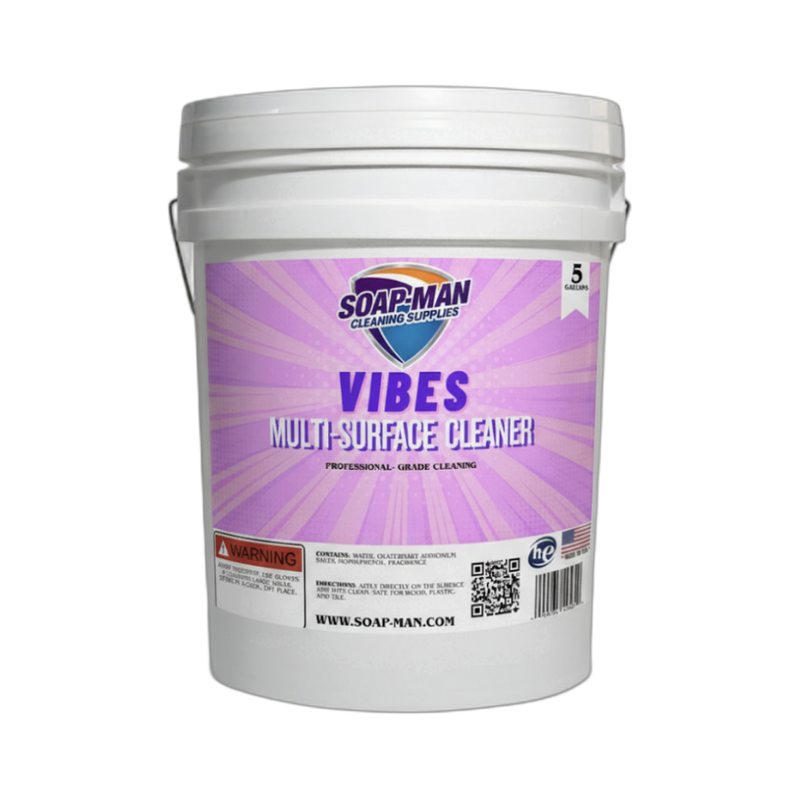
- Multi-surface cleaner — Vibes Multi-Surface Cleaner diluted at 1:32 handles most water-soluble stains without leaving residue on carpet fibers. Its streak-free formula means it won't attract dirt to the cleaned area afterward.
- White distilled vinegar — For acid-based stain treatment and odor neutralization.
- Baking soda — Absorbs liquid, neutralizes odors, and provides gentle abrasion for dried stains.
- Hydrogen peroxide (3%) — For organic stains on light-colored carpets. Test in an inconspicuous area first.
- Dish soap (clear, non-bleach) — A few drops mixed with water for grease-based stains.
- Cold water — Hot water sets protein-based stains (blood, milk, egg). Always start with cold.
- Spray bottle
- Wet/dry vacuum or shop vac — For extracting liquid from carpet padding. Paper towels can't reach deep enough.
- Soft-bristle brush — For working solutions into dried stains. Never use stiff bristles on carpet.
The Universal Carpet Stain Method: Blot, Don't Scrub
Step 1: Act Immediately
Speed is the single biggest factor in carpet stain removal. A fresh spill sitting on top of carpet fibers is 10 times easier to remove than one that has soaked into the backing and pad. The moment something spills, grab a white cloth and start blotting. Every second counts.
If you're not nearby when the spill happens, address it as soon as you discover it. Even "old" stains can often be improved with the right approach — they just require more patience and repeat treatments.
Step 2: Blot from the Outside In
Place your white cloth over the stain and press down firmly — don't rub or scrub. Lift the cloth, move to a clean section, and press again. Always work from the outer edge of the stain toward the center. Working outward spreads the stain into clean carpet. Working inward contains it.
Keep blotting with clean sections of cloth until no more color transfers to the towel. For large spills, you may go through several cloths. This is normal. If the spill is significant (an entire glass of wine, a pet accident), use a wet/dry vacuum to extract as much liquid as possible before blotting.
Step 3: Apply the Right Solution
Different stains require different cleaning agents. Using the wrong one can set the stain permanently. Identify the stain type from the sections below, then apply the recommended solution. Always apply the solution to your cloth first, then blot onto the stain — don't pour cleaning solution directly onto carpet.
Step 4: Rinse with Cold Water
After treating the stain, dampen a clean cloth with cold water and blot the treated area to remove cleaning solution residue. Cleaning product left in carpet fibers attracts dirt and creates a dark spot where the stain was. Rinse until no suds or product residue comes up on your cloth.
Step 5: Dry Thoroughly
Stack clean, dry cloths over the treated area and place a heavy book or weight on top. Leave for several hours or overnight. This draws remaining moisture up out of the carpet pad and into the cloths. If you skip this step, moisture trapped in the pad can cause mold, mildew, and odor problems.
Once dry, vacuum the area to restore the carpet fiber texture. Treatment can mat fibers down, and vacuuming fluffs them back up so the treated area matches the surrounding carpet.
Stain-Specific Treatment Methods
Coffee and Tea Stains
Coffee is one of the most common carpet stains and one of the easiest to remove if you catch it fresh. Blot up as much liquid as possible immediately. Mix one tablespoon of white vinegar, one tablespoon of dish soap, and two cups of cold water. Apply to a cloth and blot the stain. Repeat until the color lifts.
For dried coffee stains, dampen the area with cold water first to rehydrate the stain. Then apply the vinegar-soap solution and let it sit for 5 minutes before blotting. You may need 3-4 treatments for old stains. Coffee with cream is harder to remove than black coffee because of the dairy fats — treat the grease component separately with a small amount of diluted Vibes Multi-Surface Cleaner.
Red Wine Stains
Red wine panic is real, but the stain is very treatable if you move fast. Immediately blot up as much wine as possible. Cover the stain with a thick layer of table salt — the salt absorbs wine from the fibers. Leave the salt for 5-10 minutes, then vacuum it up.
Next, apply a solution of one part white vinegar to two parts cold water. Blot, don't scrub. For stubborn wine stains, apply 3% hydrogen peroxide directly — but only on light-colored carpets. Peroxide can bleach darker fibers. Let it sit for 30 minutes, then blot and rinse with cold water.
Pet Urine Stains
Pet urine is a two-part problem: the stain itself and the odor. If you only treat the visible stain, the smell will persist and the pet may return to the same spot. Blot up as much urine as possible. Then saturate the area with a 1:1 mixture of white vinegar and cold water. The vinegar neutralizes the ammonia in urine.
Let the vinegar solution soak for 10 minutes, then blot dry. Sprinkle a generous layer of baking soda over the area. Mix half a cup of 3% hydrogen peroxide with a teaspoon of dish soap and drizzle it over the baking soda. Work it gently into the carpet with a soft brush. Let everything dry completely (this may take several hours), then vacuum thoroughly.
For old or heavily saturated pet stains, the urine has likely soaked through to the carpet pad. Surface treatment alone won't solve this — you may need to pull back the carpet and treat or replace the pad directly.
Grease and Oil Stains
Grease stains require a different approach because they're not water-soluble. Blotting with water alone pushes grease deeper into fibers. Instead, cover the stain with baking soda or cornstarch and let it absorb the grease for 15-20 minutes. Vacuum up the powder.
Next, apply a small amount of diluted Vibes Multi-Surface Cleaner to a cloth and blot the stain. The surfactants in the cleaner break the bond between grease and carpet fiber. Work from the outside in, using clean sections of cloth as you lift the grease. Rinse with a cloth dampened with cold water.
For cooking oil or automotive grease, you may need to repeat this process 3-4 times. Heavy grease may also benefit from placing a paper towel over the stain and applying a warm (not hot) iron for a few seconds — the heat liquefies the grease and the paper towel wicks it up. Move the paper towel frequently to avoid re-depositing grease.
Ink Stains
Ink is one of the trickiest carpet stains because it bonds quickly with fibers. The technique depends on the ink type. For ballpoint pen ink, apply rubbing alcohol (isopropyl alcohol) to a white cloth and blot the stain. The alcohol dissolves the ink's binder, releasing it from the fiber. Blot with a fresh cloth as the ink transfers.
For permanent marker or felt-tip ink, use rubbing alcohol or a commercial ink remover. Apply small amounts at a time and blot frequently — flooding the stain with alcohol can spread it. For printer ink or toner, vacuum up any dry powder first (don't blot, as this sets it deeper), then treat with rubbing alcohol.
Blood Stains
Always use cold water on blood stains. Hot water cooks the protein in blood, bonding it permanently to fibers. Blot up fresh blood with a cloth dampened with cold water. For remaining stain, mix one tablespoon of dish soap with two cups of cold water. Apply to a cloth, blot the stain, and repeat.
For dried blood, dampen the stain with cold water and let it soak for 10 minutes. Then apply 3% hydrogen peroxide directly to the stain. It will fizz as it breaks down the blood proteins. Blot with a clean cloth, rinse with cold water, and repeat if necessary. Peroxide may lighten dark carpet, so test in an inconspicuous area first.
Mud Stains
Counterintuitively, the best approach for mud is to let it dry completely. Wet mud is a slurry that smears and pushes deeper when you try to clean it. Dry mud breaks apart and vacuums up easily. Once the mud is fully dry, vacuum thoroughly. Use a stiff brush to break up any remaining clumps, then vacuum again.
After vacuuming, if any discoloration remains, apply a small amount of diluted multi-surface cleaner to a cloth and blot the area. Rinse with cold water and blot dry. Mud stains are almost always fully removable with patience.
Pro Tips
- Always test in a hidden area first. Before applying any cleaning solution to a visible area, test it on a hidden section of carpet (inside a closet, behind furniture). Wait 10 minutes and check for color change or damage.
- White cloths only. Colored cloths and towels can bleed dye onto wet carpet, adding a dye stain to whatever you're already dealing with. Only use white terry towels or white microfiber cloths for carpet work.
- Cold water is the default. Unless you're specifically melting grease, always use cold water. Hot water sets protein stains (blood, milk, egg, urine) and can shrink some carpet fibers.
- Don't over-wet the carpet. Use the minimum amount of solution needed. Excess moisture soaks into the carpet pad, creating mold and mildew conditions. Apply solution to your cloth, not directly to carpet.
- Treat stains from the outside edge inward. This prevents the stain from spreading into clean carpet. It seems counterintuitive, but it's the technique every professional uses.
- Baking soda is your friend for odors. After treating any stain with an odor component (pet urine, vomit, milk, food), sprinkle baking soda over the treated area. Let it sit for several hours or overnight, then vacuum. Baking soda absorbs residual odors that cleaning alone can't eliminate.
Common Mistakes
Scrubbing the Stain
Aggressive scrubbing does three harmful things: it pushes the stain deeper into fibers, it damages carpet texture (creating a visibly different area even after the stain is gone), and it can fray and untwist carpet fibers permanently. Always blot. The only exception is working a cleaning solution into a dried, set stain with a soft-bristle brush — and even then, use gentle circular motions.
Using Too Much Cleaning Solution
More product doesn't mean more cleaning power. Over-applying cleaning solution soaks the carpet pad, leaves sticky residue that attracts dirt, and can create a permanent dark spot as the area traps grime. A few sprays on a cloth is sufficient for most stains.
Using Hot Water on Protein Stains
Blood, milk, egg, urine, and vomit are all protein-based stains. Hot water denatures the protein, causing it to coagulate and bond with carpet fiber — exactly like cooking an egg. Once this happens, the stain is significantly harder (sometimes impossible) to remove. Always use cold water for unknown stains — it's safe for everything.
Not Rinsing Out Cleaning Product
Any cleaning solution left in carpet fibers acts as a dirt magnet. The area will appear clean at first but darken within weeks as it accumulates grime from foot traffic. Always follow treatment with a cold water rinse, blotting until no product residue transfers to your cloth.
Waiting Too Long
Time is the biggest enemy of carpet stain removal. A fresh coffee spill takes 30 seconds to blot up. A week-old coffee stain takes 30 minutes of repeated treatment. A month-old stain may be permanent. Keep a stain kit assembled and accessible so you can respond immediately.
Frequently Asked Questions
Can I use carpet cleaning machines for stain removal?
Carpet cleaning machines (extractors) are excellent for overall carpet cleaning and can help with large-area stains. However, for spot stains, hand treatment is usually more effective because you can control the amount of solution and the pressure applied. Use a machine for the final rinse and extraction after hand-treating a stubborn stain.
Will baking soda damage my carpet?
No. Baking soda is non-toxic, non-abrasive on carpet fibers, and vacuums out completely. It's one of the safest products you can use on carpet. The only concern is leaving large amounts of baking soda packed into carpet for extended periods — it can get compacted and become difficult to vacuum out. A few hours to overnight is the ideal dwell time.
How do I remove old, set-in stains?
Rehydrate the stain first by dampening it with cold water and covering it with a wet cloth for 30 minutes. Then treat with the appropriate cleaning solution for the stain type. Old stains typically require 3-5 treatment cycles — apply solution, blot, rinse, dry, then repeat. Some old stains may be permanent, but it's always worth trying before calling a professional or replacing carpet.
Are commercial carpet stain removers worth buying?
Some are effective, but many contain ingredients that leave residue or can damage certain carpet types. A well-stocked kit of multi-surface cleaner, vinegar, baking soda, hydrogen peroxide, and rubbing alcohol handles 95% of carpet stains more effectively than a single specialty product. You'll also spend less money over time.
When should I call a professional carpet cleaner?
Call a professional when: the stain covers a large area (more than a few square feet), the stain has soaked through to the carpet pad, you've tried multiple treatments without improvement, the stain involves dye or permanent ink on expensive carpet, or you're dealing with flood damage. Professional cleaners have truck-mounted extraction equipment that can remove stains and moisture far more thoroughly than consumer machines.