
Why Gold Jewelry Loses Its Shine (It's Not Tarnish)
Unlike silver, gold doesn't tarnish or oxidize. That dull film you see on your gold ring isn't corrosion — it's a layer of body oils, lotion residue, soap film, and microscopic skin cells that coat the surface over weeks of wear. Chlorine from pools and hot tubs can also discolor gold alloys (most gold jewelry isn't pure gold but an alloy with copper, silver, or zinc). The good news is that cleaning gold jewelry is one of the simplest and most satisfying cleaning tasks you can do. Five minutes and some dish soap restores that just-bought shine. The only caveat is that different types of gold (solid, plated, filled) need slightly different care levels.
What You'll Need
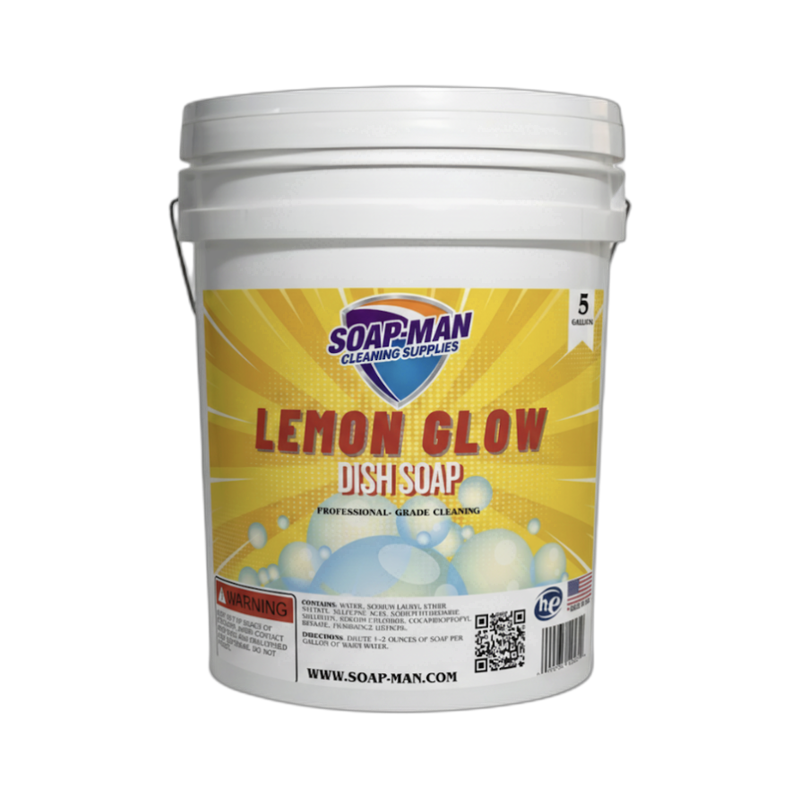
- Mild dish soap — Lemon Glow Dish Soap is ideal because it cuts through oils and residue without harsh chemicals that could affect gold alloys or plating.
- Warm water — not hot, which can loosen gemstone settings.
- A small bowl
- Soft-bristle toothbrush — baby toothbrushes are perfect; the bristles are soft enough for gold.
- Lint-free cloth or jeweler's polishing cloth
- Strainer for the sink — insurance against dropped pieces going down the drain.
Step-by-Step: How to Clean Gold Jewelry
Step 1: Prepare a Gentle Soak
Fill a small bowl with warm (not hot) water and add a few drops of Lemon Glow Dish Soap. You want the water slightly soapy — not a bubble bath. Hot water can weaken the adhesive holding gemstones in their settings and cause thermal shock in some stones, so keep it comfortably warm, like bath water. Place your gold jewelry in the soapy water and let it soak for 15 to 20 minutes. The soak loosens oils, lotion buildup, and debris trapped in links, prongs, and textured surfaces.
Step 2: Gently Brush the Details
After soaking, use a soft-bristle toothbrush to gently scrub the piece. Pay special attention to the back side of gemstone settings (where skin oils accumulate), chain links, clasp mechanisms, and any engraved or textured areas. These are the spots where grime hides and dulls the jewelry's appearance. Brush with light pressure in small circular motions. For rings, scrub the inside band where lotion and soap residue accumulate — this buildup is often what makes a ring feel tight after months of wear.
Step 3: Rinse Under Running Water
Place a fine mesh strainer over the sink drain before rinsing — this is non-negotiable for small pieces. Rinse each piece under warm running water, turning it to flush soap from all angles. For chains, hold them loosely and let the water run through the links. For rings with settings, direct the water behind the stone to flush debris from the mounting. Shake off excess water gently.
Step 4: Dry and Polish
Pat the jewelry dry with a lint-free cloth. Don't air dry — water spots form on gold just like they do on glass. Once dry, buff the piece gently with a clean section of the cloth (or a dedicated jeweler's polishing cloth) using light back-and-forth motions. The friction from polishing creates a warm luster that soapy water alone doesn't achieve. For high-polish pieces, this step makes the biggest visible difference.
Step 5: Special Treatment for Gold-Plated Pieces
Gold-plated jewelry has a thin layer of gold over a base metal. The cleaning process is the same, but your touch needs to be lighter. Soak for only 10 minutes (prolonged soaking can affect the plating bond), brush with almost no pressure, and never use abrasive cloths or polishing compounds. Gold plating wears thin over time, and aggressive cleaning accelerates it. If the plating has worn through in spots showing the base metal underneath, cleaning won't fix that — you'd need to have the piece re-plated by a jeweler.
Pro Tips
- Remove gold jewelry before showering. Soap and shampoo residue is the number one cause of dull gold. Taking rings and necklaces off before showering prevents 80% of the buildup that requires cleaning.
- Clean gold jewelry monthly with regular wear. A quick 15-minute soak and brush once a month keeps gold looking freshly polished without any heavy cleaning. The more frequently you clean, the less effort each session requires.
- Store pieces separately. Gold is softer than most metals and scratches easily. Keep gold pieces in individual soft pouches or lined compartments, not jumbled together in a jewelry box.
Common Mistakes
- Using toothpaste to clean gold. Toothpaste is a mild abrasive designed for tooth enamel, which is harder than gold. It creates micro-scratches on gold surfaces that dull the finish over time. Stick to dish soap and water.
- Cleaning gold with chlorine bleach. Chlorine attacks the alloy metals in gold jewelry (copper, silver, nickel) and can cause permanent pitting and discoloration. Never soak gold jewelry in bleach or wear it in chlorinated pools.
- Using ultrasonic cleaners on all gold jewelry. Ultrasonic cleaners are great for solid gold without gemstones. However, they can loosen prong-set stones, damage pearls, opals, emeralds, and other soft gems, and accelerate wear on gold plating. Know what you're putting in before you turn it on.
FAQ
Can I clean gold jewelry with baking soda?
Baking soda is mildly abrasive and can scratch gold surfaces, especially high-polish pieces. For occasional deep cleaning of heavily soiled solid gold, a baking soda paste is acceptable — but for regular maintenance, warm water and dish soap is safer and just as effective.
Why does my gold ring turn my finger green?
The green isn't from the gold — it's from the copper in the gold alloy reacting with moisture, lotion, or your body chemistry. Lower karat gold (10K, 14K) has more copper and is more likely to cause this. Regular cleaning reduces the reaction, and keeping your hands dry when wearing the ring helps. Pure 24K gold doesn't cause this, but it's too soft for most jewelry.
How do I clean a gold chain without breaking it?
The soak method is best for chains because it lets the solution reach between links without requiring you to manipulate the chain aggressively. After soaking, hold the chain at one end and gently brush along its length while supporting it from below. Don't scrub back and forth on thin chains — one-directional strokes are safer.
Is it safe to clean gold jewelry with gemstones?
The dish soap and warm water method is safe for most gemstones including diamonds, sapphires, and rubies. However, soft or porous stones — pearls, opals, emeralds, turquoise, and coral — require extra caution. Don't soak pearls or opals; instead, wipe them with a damp cloth. For emeralds (which are often oil-treated), avoid any soap or chemicals and stick to a barely damp cloth.
How long does gold-plated jewelry last?
Gold plating typically lasts 6 months to 2 years with regular wear, depending on thickness and how it's treated. Avoiding water, lotion, and perfume contact extends the lifespan significantly. When the plating wears through, a jeweler can re-plate the piece for $20-$60 depending on size and karat.