
Why Silver Tarnishes (And Why That's Actually a Good Sign)
Silver tarnishes because it reacts with sulfur compounds in the air, humidity, and your body chemistry. That dark film isn't dirt — it's silver sulfide forming on the surface. Ironically, tarnishing is proof your silver is real; pure silver and sterling silver (92.5% silver, 7.5% copper) both tarnish, while many fakes don't. The speed of tarnishing depends on humidity, air pollution, exposure to cosmetics and perfume, and even your body's pH level. Some people's silver stays bright for months while others see tarnish within days. The good news is that tarnish is purely surface-level and removes completely with the right approach — your silver isn't damaged, just temporarily hidden.
What You'll Need
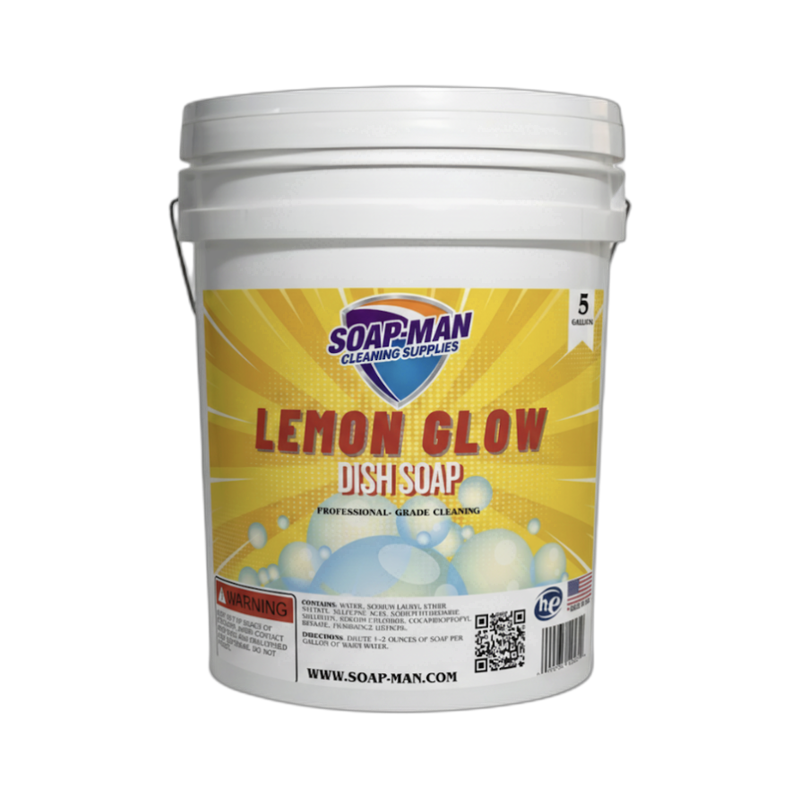
- Mild dish soap — Lemon Glow Dish Soap handles routine cleaning and light tarnish effectively.
- Aluminum foil — for the electrochemical tarnish removal method (the most effective home technique).
- Baking soda — the other half of the aluminum foil method.
- Boiling water
- A glass or ceramic bowl (not metal) — for the soaking solution.
- Soft-bristle toothbrush
- Silver polishing cloth — for finishing. These cloths contain micro-abrasives and anti-tarnish compounds.
- Lint-free cloth
Step-by-Step: How to Clean Silver Jewelry
Step 1: Start with Soap and Water for Light Tarnish
For silver that's slightly dull or has a thin tarnish film, warm water and dish soap often does the job. Fill a bowl with warm water, add a few drops of Lemon Glow Dish Soap, and soak the silver for five to ten minutes. Gently brush with a soft toothbrush, paying attention to crevices and textured areas. Rinse under warm running water and pat dry with a lint-free cloth. If this restores the shine you want, you're done. If the tarnish is heavier — dark gray or black spots — move to the next step.
Step 2: The Aluminum Foil Method for Heavy Tarnish
This method uses a simple electrochemical reaction to reverse tarnish without removing any silver. Line a glass or ceramic bowl with a sheet of aluminum foil, shiny side up. Place your silver jewelry on the foil so each piece touches the aluminum. Sprinkle two tablespoons of baking soda over the jewelry, then pour boiling water over everything until the pieces are submerged. You'll see fizzing and may smell sulfur — that's the reaction transferring the tarnish (silver sulfide) from your jewelry to the aluminum foil. Let it sit for five to ten minutes depending on tarnish severity.
Step 3: Rinse and Assess
Remove the jewelry from the solution using tongs or a wooden spoon (the water is hot). Rinse each piece under cool running water to stop the reaction and remove baking soda residue. The tarnish should be visibly reduced or eliminated. For heavily tarnished pieces, you may need to repeat the process once or twice. Check each piece under good light — the foil method works best on smooth surfaces. Textured or recessed areas may still show some tarnish that needs targeted brushing.
Step 4: Polish for Maximum Shine
After the tarnish is removed, dry the jewelry completely with a lint-free cloth. Then use a silver polishing cloth, rubbing the piece with long, back-and-forth strokes (not circular, which can create swirl marks on high-polish surfaces). The polishing cloth removes any remaining microscopic tarnish and leaves a protective anti-tarnish residue. For jewelry with intentional oxidized details (darkened recesses for design contrast), avoid polishing those areas — the darkness is deliberate, and removing it flattens the design.
Step 5: Store Properly to Slow Re-Tarnishing
Clean silver tarnishes again the moment it contacts air, so proper storage extends the time between cleanings. Store silver pieces individually in anti-tarnish bags or pouches (these contain sulfur-absorbing compounds). If you don't have anti-tarnish bags, place a piece of chalk or an activated charcoal packet in your jewelry box — both absorb sulfur from the air. Silica gel packets reduce humidity, which also slows tarnishing. Keep silver away from rubber, newspaper, wool, and latex, all of which contain sulfur compounds that accelerate tarnish.
Pro Tips
- Wear your silver regularly. The natural oils from your skin actually slow tarnishing because they create a thin barrier on the silver surface. Jewelry that sits unworn in a drawer tarnishes faster than jewelry worn daily.
- Put jewelry on last when getting dressed. Apply perfume, lotion, hairspray, and sunscreen before putting on silver. These products contain sulfur compounds and chemicals that accelerate tarnishing on contact.
- Quick polish weekly. A 30-second rub with a polishing cloth after each wear prevents tarnish from building up to the point where you need a full cleaning. Maintenance is always easier than restoration.
Common Mistakes
- Using toothpaste on silver. Toothpaste is abrasive and scratches silver surfaces, especially high-polish sterling. It can also get trapped in settings and crevices where it's difficult to rinse out. The aluminum foil method is more effective and doesn't scratch.
- Dipping silver in commercial dips too often. Commercial silver dips contain acids that remove a microscopic layer of silver each time. Occasional use for heavy tarnish is fine, but regular use thins the silver over time. Reserve dips for stubborn situations and use the foil method for routine cleaning.
- Cleaning silver-plated pieces aggressively. Silver-plated jewelry has a thin silver coating over a base metal. Aggressive polishing, abrasive cleaners, and the aluminum foil method at high temperatures can wear through the plating. Use only the soap-and-water method for silver-plated pieces and polish very gently.
FAQ
Does the aluminum foil method damage silver?
No. Unlike polishing (which removes a tiny amount of silver), the foil method reverses the tarnish chemically without removing any material. It's actually the gentlest method for tarnish removal. The only caution is for pieces with intentional oxidation (blackened details for design) — the foil method can remove that too.
How often should I clean silver jewelry?
With regular wear and a weekly polishing cloth wipe, a full cleaning every one to three months is sufficient. If your silver tarnishes quickly due to your body chemistry or local humidity, clean monthly. If you store silver properly with anti-tarnish protection, you might go six months between full cleanings.
Can I clean silver with gemstones using the foil method?
The foil method is safe for silver jewelry with diamonds, cubic zirconia, and other hard stones. However, do not use it with pearls, opals, turquoise, amber, coral, or other soft and porous stones — the hot water and baking soda can damage these materials. For those pieces, use only the gentle soap-and-water method and avoid submerging the stones.
Why does my silver tarnish faster than my friend's?
Body chemistry varies significantly between individuals. Some people produce more sulfur compounds in their sweat, which accelerates tarnishing. Medications, diet (high-sulfur foods like garlic, onions, eggs), and even stress levels affect body chemistry. Environmental factors like humidity, proximity to the ocean, and air pollution also matter.
Is tarnished silver worth less?
No. Tarnish is purely cosmetic and doesn't damage or degrade silver in any way. The silver underneath is unchanged. In fact, some antique silver is intentionally left tarnished because collectors value the patina. The silver content and weight determine value, not surface condition.