
Why Headlights Turn Yellow and Foggy
Modern headlight lenses are made of polycarbonate plastic, not glass. When they're manufactured, they're coated with a UV-resistant clear coat that keeps the plastic transparent. Over years of exposure to sunlight, road debris, and chemicals, that clear coat breaks down. Once it's gone, the UV light attacks the polycarbonate directly, causing oxidation — the cloudy, yellowish haze you see. This isn't dirt on the surface (though dirt makes it worse). It's a chemical change in the plastic itself. The good news is that oxidation only affects the outer layer, typically the first fraction of a millimeter. Removing that oxidized layer reveals clear plastic underneath. The key is removing the damage and then protecting the fresh surface so it doesn't happen again.
What You'll Need
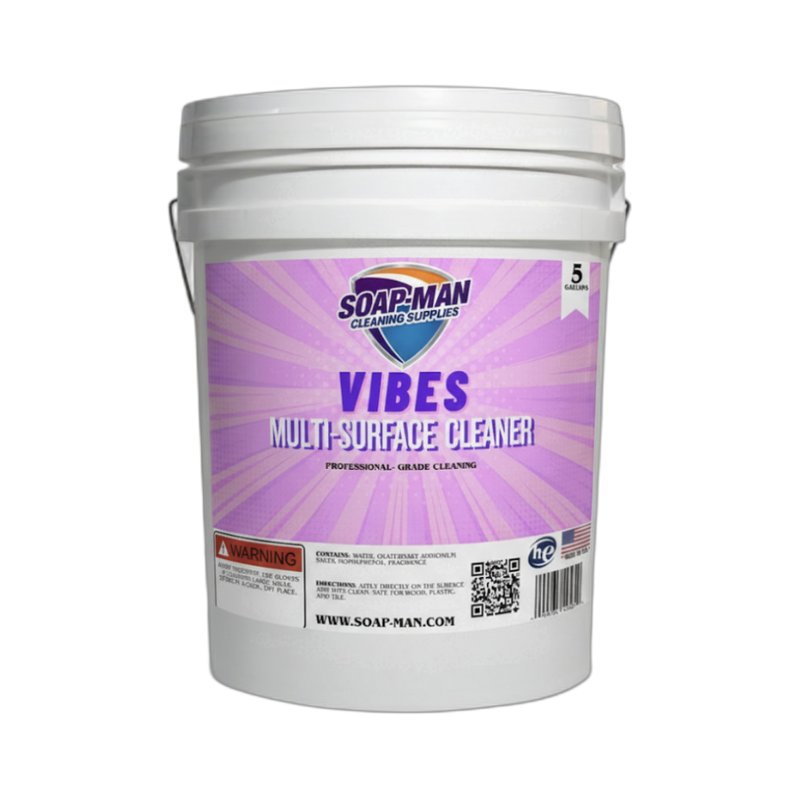
- Multi-surface cleaner — Vibes Multi-Surface Cleaner for initial cleaning before restoration.
- Painter's tape — to protect the paint around the headlights.
- Sandpaper — 800, 1500, and 2500 grit (wet/dry type).
- Spray bottle with water — for wet sanding.
- Rubbing compound or polishing compound
- Microfiber cloths
- UV-resistant clear coat spray or headlight sealant — critical for long-lasting results.
- White non-gel toothpaste (optional) — for mild haze on lightly oxidized lenses.
Step-by-Step: How to Clean Headlights
Step 1: Clean the Surface
Spray the headlight lens generously with Vibes Multi-Surface Cleaner and wipe it clean with a microfiber cloth. This removes surface dirt, road film, bug residue, and grime that would interfere with the restoration process. You need to start with a clean surface so you can see the actual condition of the lens. After cleaning, dry the lens and evaluate: if the haze wipes away and the lens looks clear when wet, you may only have surface grime (congratulations, you're done). If the haze remains when wet, that's oxidation in the plastic, and you need the sanding steps below.
Step 2: Mask the Surrounding Paint
Apply painter's tape around the entire perimeter of each headlight lens, covering the paint, bumper, and any chrome trim within an inch of the lens edge. Sandpaper and polishing compound will damage automotive paint and clear coat. Take your time with masking — rushing this step and scratching your paint is the most common DIY headlight restoration mistake. Press the tape edges down firmly so water doesn't seep under during wet sanding.
Step 3: Wet Sand in Three Stages
Soak a sheet of 800-grit wet/dry sandpaper in water for 10 minutes. Spray the headlight lens with water and begin sanding in horizontal strokes with consistent, light pressure. Keep the surface wet at all times — dry sanding creates deep scratches. Sand for 3-5 minutes until the lens has a uniform milky-white appearance (this means you've removed the oxidized layer). Wipe clean and spray fresh water.
Switch to 1500-grit, soak it, and sand in vertical strokes (perpendicular to the previous direction) for 3-5 minutes. The cross-hatch pattern ensures you're removing the scratches from the previous grit. The lens will look smoother and slightly less milky. Wipe clean again.
Finish with 2500-grit in horizontal strokes for 3-5 minutes. The lens will now look hazy but much smoother — the surface is ready for polishing. The entire sanding sequence takes about 15 minutes per headlight.
Step 4: Polish to Clarity
Apply rubbing compound or polishing compound to a clean microfiber cloth (or a foam polishing pad if you have a drill attachment). Work the compound into the lens using firm circular motions for 3-5 minutes per headlight. The haze from sanding will gradually clear as the compound fills micro-scratches and smooths the surface. Wipe away the residue with a clean cloth and inspect. The lens should be noticeably clearer — close to its original transparency. If some haze remains, apply a second round of compound with fresh product.
Step 5: Seal with UV Protection
This is the step most people skip — and it's why their headlights yellow again within months. The sanding removed the factory UV clear coat, and without a replacement, the exposed polycarbonate will re-oxidize quickly. Apply a UV-resistant clear coat spray (available at auto parts stores) in thin, even coats. Hold the can 8-10 inches away and apply 2-3 light coats, allowing 5 minutes between coats. Let it cure for 24 hours before driving. Alternatively, apply a dedicated headlight sealant product. This protective layer makes the difference between results that last 6 months and results that last 2-3 years.
Pro Tips
- Try toothpaste first for light haze. White, non-gel toothpaste is a mild abrasive. Apply it to the lens, scrub with a cloth in circular motions for 3-5 minutes, rinse, and assess. For lightly oxidized headlights, this alone can restore 80% of clarity. Save the full sanding process for moderate to severe oxidation.
- Use a power drill with a polishing pad. Hand polishing works, but a drill or rotary polisher with a foam pad and polishing compound produces noticeably better results in less time. Use low to medium speed to avoid overheating the plastic.
- Park in shade or use a car cover. UV exposure is the sole cause of headlight oxidation. Parking in a garage or shaded area (or using a car cover) dramatically extends the time before re-oxidation occurs after restoration.
Common Mistakes
- Skipping the UV sealant after sanding. Without UV protection, restored headlights yellow again within 2-4 months. The sanding step removes the factory clear coat — you must replace it with aftermarket UV sealant for lasting results.
- Dry sanding headlight lenses. Sanding polycarbonate without water creates deep gouges that are extremely difficult to polish out. Always wet sand — keep spraying water throughout the process. The surface should be visibly wet at all times.
- Using household glass cleaner to restore headlights. Glass cleaners (Windex, etc.) clean the surface but do nothing for oxidation. If the haze is in the plastic, no amount of surface cleaning will fix it. You need the abrasive process to remove the damaged layer.
FAQ
How long does headlight restoration last?
With proper UV sealant applied, 2-3 years before significant re-oxidation. Without sealant, 2-4 months. The quality of the UV clear coat and the amount of sun exposure your car gets are the biggest variables. Reapplying sealant annually extends the restoration indefinitely.
Does the toothpaste method really work?
For light surface haze, yes — it's a mild abrasive that buffs out minor oxidation. For moderate to severe yellowing (where the lens is opaque or deeply discolored), toothpaste doesn't remove enough material. Think of toothpaste as the maintenance option and wet sanding as the restoration option.
Can I use bug spray (DEET) to clean headlights?
DEET dissolves polycarbonate, which is why it appears to clear headlights instantly. However, it's actually damaging the lens surface — creating a softer, more porous layer that yellows faster. Do not use DEET or bug spray on headlights. The brief clarity isn't worth the accelerated long-term damage.
Should I just replace the headlight lens instead of restoring it?
Replacement lenses cost $100-$500+ per side for OEM parts. A complete restoration kit costs $10-$30 and restores both headlights to near-original clarity. Replacement makes sense only if the lens is cracked, deeply scratched from rock impacts, or has interior condensation (which is a seal failure, not an oxidation problem).
Are headlight restoration kits worth buying?
The branded kits (3M, Sylvania, Meguiar's) include everything in this guide — sandpaper, compound, and sealant — in one package for $15-$30. They work well and are convenient. The only advantage of buying components separately is that you get more sandpaper and compound for the same price, which is useful if you plan to restore multiple vehicles.