
Why Car Wash Soap Isn't Just Soap
Car wash soap is a highly specialized cleaner. It has to lift dirt without stripping wax, produce enough foam to lubricate the paint against your wash mitt, rinse clean without leaving streaks, and do all of that while remaining pH-balanced so it doesn't damage clear coat. Very few household cleaners meet that bar — which is why using dish soap on a car is a mistake even though it technically "cleans."
This guide explains what actually matters when choosing a car wash soap, what the marketing terms mean, and how to tell a professional-grade shampoo from a bottle of scented detergent. By the end of this, you'll know what to look for on the label and how to compare two products at a glance.
What You'll Need
- The label of any car wash soap you're considering — pH, concentration, and intended use are usually listed somewhere.
- A clean wash bucket or sample application area — for comparing foam, feel, and rinse behavior.
- A small test panel or inconspicuous area on the vehicle — to test compatibility with existing wax.
- A pressure washer or strong hose — for thorough rinsing tests.
- Notes or a comparison sheet — for evaluating multiple products side by side.
The Criteria Professional Detailers Use
1. pH Balance
A good car wash soap has a neutral pH — somewhere between 6 and 8. Acidic or strongly alkaline soaps strip wax and can dull clear coats over time. Most dedicated automotive shampoos will advertise "pH neutral" or "pH balanced" on the label. If a product doesn't mention pH, assume it's not formulated for paint preservation.
2. Foam and Lubricity
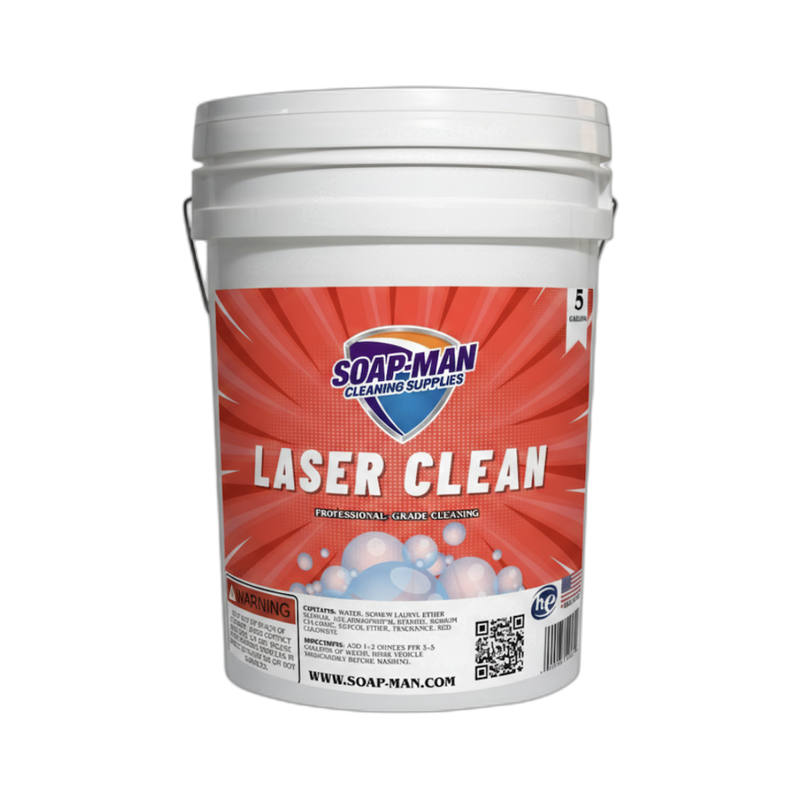
Foam isn't just for show — it's a lubrication system. The bubbles and surfactants reduce friction between the wash mitt and the paint, preventing the dirt you're lifting from scratching the clear coat. A thin, runny soap that doesn't foam well is giving you no protection during the physical wash step. Good car wash soap like Laser Clean Car Wash Shampoo produces thick, dense foam that clings to the panel.
3. Wax Compatibility
If you've waxed your vehicle, the last thing you want is a soap that strips the wax off. Dedicated car shampoos are formulated to leave wax intact, extending the life of whatever sealant or wax you've applied. Products labeled "wash and wax" add a small amount of wax to each wash — less effective than dedicated wax but useful for maintenance.
4. Rinse Behavior
A good car wash soap rinses clean without leaving streaks, residue, or water spots. Cheap soaps leave a film that attracts dust and creates a dull appearance. Test by washing one panel, rinsing thoroughly, and examining the result in sunlight. A clean panel should be streak-free.
5. Concentration and Value
Concentrated car wash soaps are significantly cheaper per wash than ready-to-use or low-concentrate products. A 1-gallon concentrate that dilutes 1:128 (about 1 ounce per gallon of water) lasts for 128 washes. Compare products by cost per wash, not cost per bottle.
6. Scent and Additives
Fragrances are personal preference, but watch for additives that claim to do multiple things at once. "Clean + wax + seal + UV protection" is almost always marketing — a single product can't do all of those well. A clean car and a separate wax or sealant application produce dramatically better results.
The Main Types of Car Wash Soap
Traditional Car Shampoo
Designed purely for cleaning. pH-balanced, produces foam, rinses clean, doesn't add anything to the paint. Best for routine washes and pairs with a separate wax application. This is the category Laser Clean Car Wash Shampoo falls into.
Wash and Wax
Traditional shampoo with a small amount of carnauba or synthetic wax added. Deposits a thin protective layer with each wash. Good for maintenance between dedicated wax applications, but not a replacement for proper waxing.
Ceramic-Infused Soap
Newer category designed to enhance existing ceramic coatings or leave a very thin ceramic protection layer. Only useful if the vehicle has a ceramic coating or you plan to apply one. Premium pricing for specific use cases.
Foaming Cannon Soap
Thicker, higher-foaming formula designed for pressure-washer foam cannons. Produces the "snow foam" layer you see in pro detailing videos. Great for pre-wash softening of dirt before touching the paint.
Rinseless and Waterless Wash
Specialty products designed to clean with minimal or no water. Useful for apartment dwellers or water-restricted areas. Significantly more technique-dependent and less forgiving than traditional wash methods.
Pro Tips
- Buy a concentrate. Dilute to label recommendations. Far more economical than ready-to-use.
- Use the recommended dilution. Too concentrated wastes product. Too diluted fails to lubricate the paint.
- Match soap to water hardness. Hard water reduces foam. Use a bit more product or filter the water if foam never develops properly.
- Apply to a wet car. Car wash soap is designed to work on paint that's been pre-rinsed, not dry paint.
- Use warm water. Cold water doesn't dissolve or foam soap as well as lukewarm water.
- Don't skimp on the wash mitt. The best soap can't make up for a scratchy mitt. Microfiber mitts are the standard.
- Test one product at a time. If you're comparing soaps, use only one on a full wash so you can evaluate performance fairly.
Common Mistakes
- Using dish soap. Strips wax and can damage clear coat. It's designed to cut grease from dishes, not to preserve automotive finishes.
- Using laundry detergent. Too alkaline, full of optical brighteners and additives that can etch paint.
- Over-concentrating. More soap doesn't clean better — it just rinses less completely and wastes product.
- Not checking pH. Non-neutral soaps accelerate wax breakdown and clear-coat damage.
- Trusting "wash and wax" products to replace waxing. They extend protection, they don't replace a real wax application.
- Using the wrong soap for a pressure washer foam cannon. Traditional shampoo makes thin foam in a cannon. Use a foaming-cannon-specific product for best results.
FAQ
Is dish soap really that bad for my car?
Yes. Dish soap is pH-aggressive and formulated to cut through grease. That same aggression strips wax, degrades clear coat over time, and leaves the paint vulnerable. A gallon of proper car shampoo costs less than a year of wax touch-ups caused by dish soap washing.
Can I use any soap in a pressure washer foam cannon?
Only if it's labeled for foam cannon use. Traditional car shampoos produce flat, runny foam in a cannon. Foaming-cannon-specific soaps are formulated with surfactants that create the thick, clingy snow foam layer.
How much soap should I use per bucket of water?
Check the label — concentrations vary widely by product. A typical professional shampoo like Laser Clean Car Wash Shampoo uses about 1 ounce per gallon of water for routine washes.
Does car wash soap expire?
Most concentrated automotive shampoos have a shelf life of 2-3 years if sealed and stored properly. Signs of degradation include separation, unusual odor, or reduced foaming performance. Store in a cool, dry place.
What's the difference between "snow foam" and regular car wash soap?
Snow foam is a pre-wash product designed to cling to the paint before physical washing, softening dirt and loosening contaminants. Regular car wash soap is the contact-wash product used with a wash mitt. Many professional wash routines use both: snow foam first, rinse, then regular shampoo with the two-bucket method.