
Why a Dirty Humidifier Is Worse Than No Humidifier
A humidifier is supposed to add moisture to dry air and help you breathe easier. But if you haven't cleaned it recently, it's doing the opposite — spraying a fine mist of bacteria, mold spores, and mineral dust directly into your living space. The EPA has flagged dirty humidifiers as a real health risk, particularly for people with asthma or allergies. That white dust on your furniture? Mineral deposits from uncleaned water. That musty smell? Mold growing inside the tank. The fix is simple, but most people either skip it entirely or don't clean thoroughly enough. This guide covers the right way to clean every type of humidifier so the air coming out is actually clean.
What You'll Need
- White vinegar — dissolves mineral scale and kills most bacteria without harsh fumes.
- Hydrogen peroxide (3%) — for disinfecting after descaling.
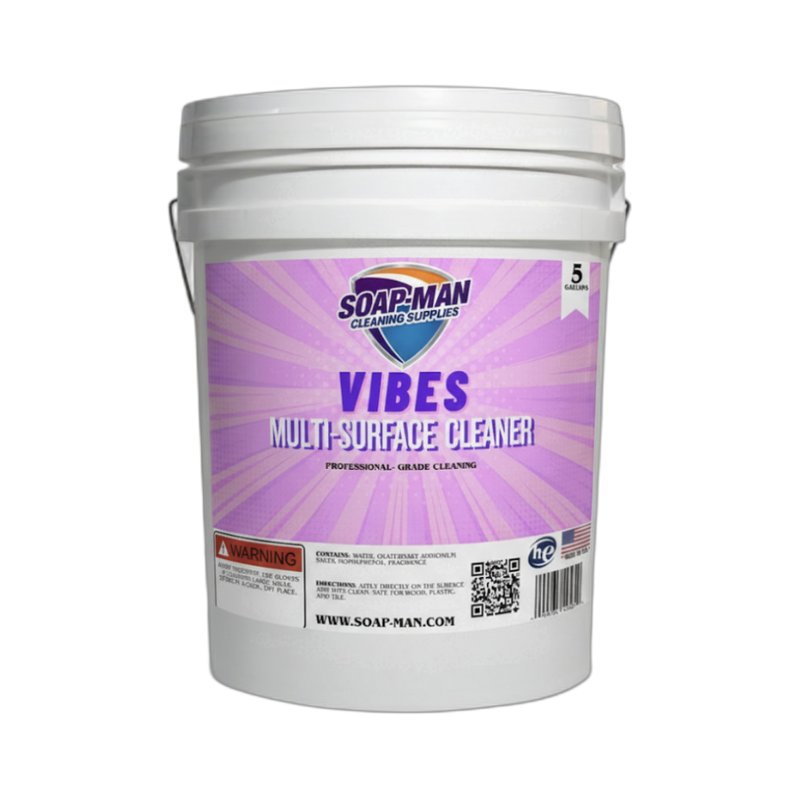
- Multi-surface cleaner — Vibes Multi-Surface Cleaner works well for wiping down the exterior and base components that aren't submerged.
- Soft-bristle brush or old toothbrush — for scrubbing mineral deposits in crevices.
- Clean towels
- Distilled water — for refilling after cleaning (prevents future mineral buildup).
Step-by-Step: How to Clean a Humidifier
Step 1: Unplug and Disassemble
Turn the humidifier off and unplug it. Never clean any electrical appliance while it's connected to power. Remove the water tank from the base, and take out any filters, wicks, or trays that your model uses. Most humidifiers break down into three to five pieces. If you're not sure how yours disassembles, check the bottom of the unit for a model number and look up the manual — you don't want to force anything and crack the plastic. Dump any standing water from both the tank and the base reservoir. Standing water is where bacteria multiply fastest.
Step 2: Descale with Vinegar
Pour undiluted white vinegar into the base reservoir until it covers the areas with visible mineral buildup. For the tank, add two cups of white vinegar and swirl it around so it coats the interior walls. Let both pieces soak for 30 minutes minimum — an hour is better if there's heavy scale. The vinegar dissolves calcium and lime deposits that harbor bacteria and reduce the humidifier's output. After soaking, use a soft brush to scrub any remaining scale, paying attention to the ultrasonic disc (the small metal circle in the base of ultrasonic models) and any grooves or crevices.
Step 3: Disinfect with Hydrogen Peroxide
After descaling, rinse everything thoroughly with clean water to remove vinegar residue. Then add one cup of 3% hydrogen peroxide to the tank, fill the rest with water, and let it sit for 30 minutes. This kills mold and bacteria that vinegar alone might miss. For the base, pour a small amount of hydrogen peroxide directly onto the reservoir surfaces. Never mix vinegar and hydrogen peroxide in the same step — the combination creates a corrosive acid. Always rinse between steps.
Step 4: Clean or Replace the Filter
If your humidifier uses a wick filter, rinse it under cool water and gently squeeze out debris. Do not use soap or cleaning products on wick filters — they absorb chemicals and release them into the air. If the filter is discolored, stiff, or has visible mold, replace it. Most manufacturers recommend replacing wick filters every one to three months depending on use and water hardness. If your model uses a demineralization cartridge, check whether it's reusable or disposable.
Step 5: Rinse, Dry, and Reassemble
Rinse every component with clean water at least twice to remove all cleaning solution residue. Shake excess water out of the tank and base, then let all pieces air dry completely on a clean towel. Reassembly on a still-damp unit traps moisture in seams and joints where mold loves to grow. Once everything is dry, reassemble, fill with distilled water, and you're good to go. Wipe down the exterior with Vibes Multi-Surface Cleaner and a cloth to remove dust and fingerprints.
Pro Tips
- Use distilled water exclusively. Tap water contains minerals that create white dust, feed bacteria, and clog filters faster. Distilled water eliminates the biggest source of humidifier problems.
- Clean weekly during active use. If the humidifier runs daily, clean it every seven days. Waiting longer allows biofilm to establish, which is much harder to remove than fresh deposits.
- Empty the tank daily. Never let water sit in a humidifier for more than 24 hours. Dump, rinse, and refill with fresh water every day. Stagnant water breeds bacteria exponentially.
Common Mistakes
- Using bleach inside the tank. Bleach residue gets aerosolized by the humidifier and irritates lungs. Vinegar and hydrogen peroxide (used separately) disinfect effectively without that risk.
- Running the humidifier with a moldy filter. A contaminated filter distributes mold spores throughout the room. If you can see or smell mold on the filter, replace it immediately rather than trying to clean it.
- Cleaning the tank but ignoring the base. The base reservoir holds standing water and is where most bacterial growth happens. It needs the same vinegar soak and scrubbing as the tank — every time.
FAQ
How often should I clean my humidifier?
Every seven days during active use. If you use distilled water and empty the tank daily, you can stretch it to ten days. If you use tap water, stick to weekly without exception. The mineral deposits from tap water create a rough surface that bacteria cling to, making more frequent cleaning essential.
Can I use essential oils in my humidifier?
Only if the manufacturer specifically says you can. Most standard ultrasonic and evaporative humidifiers are not designed for essential oils — the oils can degrade plastic components, clog the ultrasonic disc, and void your warranty. If you want aromatherapy, get a dedicated diffuser or a humidifier model explicitly designed for oil use.
What's the pink residue in my humidifier?
That pink or salmon-colored film is Serratia marcescens, a common airborne bacterium that thrives in moist environments. It's not dangerous for most healthy adults but indicates your humidifier hasn't been cleaned recently enough. Scrub it away with vinegar, disinfect with hydrogen peroxide, and increase your cleaning frequency.
Is the white dust from my humidifier harmful?
The white dust is aerosolized mineral content from tap water. While not immediately toxic, it settles on surfaces, can irritate respiratory passages, and is particularly problematic for people with asthma. Switching to distilled water eliminates it completely.
Should I clean a brand new humidifier before first use?
Yes. Manufacturing residue, dust from packaging, and handling oils can all be present on new units. Give the tank and base a quick vinegar rinse and wipe down all components before filling with water for the first time.