
The Grease Problem You Can't See Until It's Everywhere
Kitchen cabinets are the largest surface area in most kitchens — and they collect grease from every single meal you cook. Every time you fry, saute, or boil something, microscopic grease particles become airborne and settle on every surface, including your cabinet doors, frames, and hardware. Over months, this invisible film builds into a sticky, yellowish layer that dulls the finish, attracts dust, and makes your cabinets look older than they are.
The areas around the stove and oven are worst, but every cabinet in the kitchen is affected. The tops of upper cabinets (where nobody ever looks) often have a thick, tacky layer of accumulated cooking grease mixed with dust. Cleaning cabinets properly requires the right approach for each material — wood, laminate, and painted cabinets all have different tolerances for moisture and cleaning products.
What You'll Need
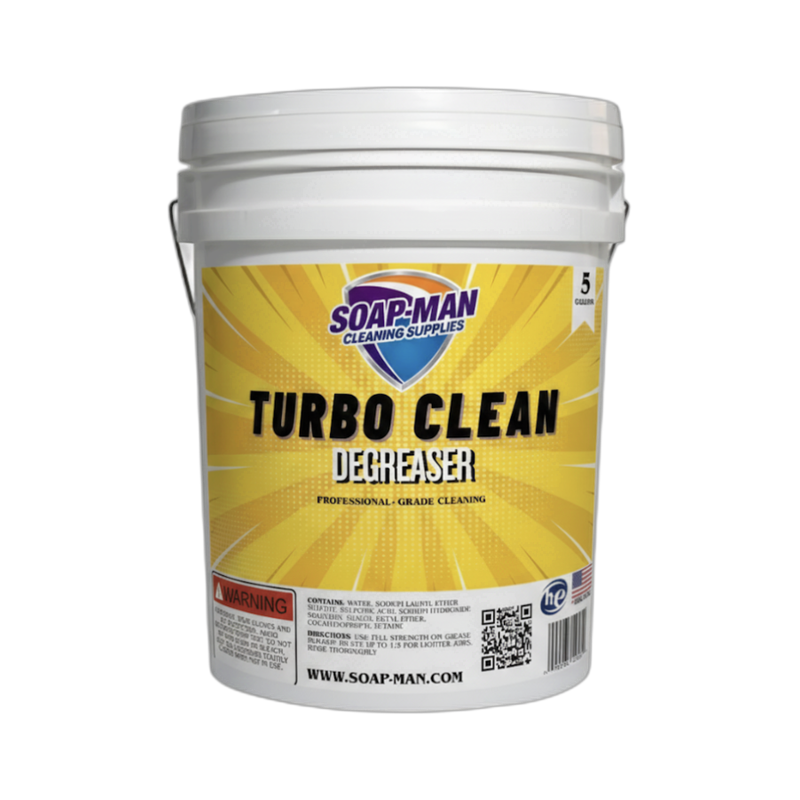
- Degreaser — Turbo Clean Degreaser for cutting through cooking grease buildup on all cabinet materials.
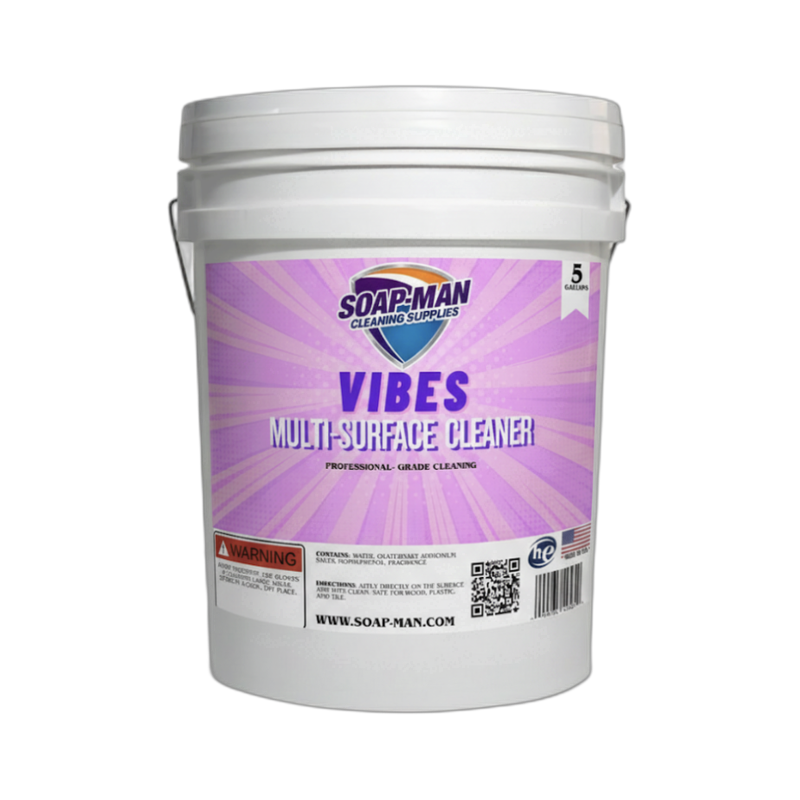
- Multi-surface cleaner — Vibes Multi-Surface Cleaner for routine cleaning and finishing.
- Warm water
- Microfiber cloths (several) — one for cleaning, one for rinsing, one for drying.
- Baking soda — for stubborn sticky buildup.
- White vinegar
- Olive oil or mineral oil — for conditioning wood cabinets after cleaning.
- Old toothbrush — for panel grooves, molding details, and hardware crevices.
Step-by-Step: How to Clean Kitchen Cabinets
Step 1: Start from the Top Down
Always clean cabinets from top to bottom — dirty drips from upper cabinets will land on lower ones. Start with the top of the upper cabinets (the surface you never see but that's probably the dirtiest). Spray with Turbo Clean Degreaser, let it sit for 5 minutes, and wipe with a microfiber cloth. The amount of brown grease that comes off the tops of upper cabinets is genuinely shocking the first time you do this.
Step 2: Clean Cabinet Doors and Frames
Spray degreaser onto a microfiber cloth (not directly onto the cabinet to avoid drips seeping into seams and hinges). Wipe each cabinet door, working in sections. For raised-panel doors, use a toothbrush to clean the grooves and edges where grease accumulates in the profile. For flat-panel (slab) doors, a cloth is sufficient. After wiping with the degreaser cloth, follow immediately with a cloth dampened with clean water to remove cleaner residue, then dry with a third cloth. Don't leave any cleaner sitting on the surface — residue attracts new grease faster.
Step 3: Address Stubborn Sticky Spots
The area directly above the stove and around handles gets the heaviest grease accumulation. For sticky buildup that doesn't come off with degreaser alone, make a paste of baking soda and water. Apply to the sticky area with a soft cloth, rub gently in circular motions, and wipe clean. The baking soda provides gentle abrasion without scratching. For extremely stubborn spots, spray degreaser, lay a warm damp cloth over the area for 10 minutes to soften the grease, then wipe. This softening step makes a dramatic difference.
Step 4: Clean Hardware
Cabinet knobs and handles collect grease from your hands combined with cooking grease from the air — the stickiest combination in the kitchen. Remove hardware if possible (a screwdriver takes 30 seconds per knob). Soak hardware in warm water with a squirt of degreaser for 15 minutes, scrub with a toothbrush, rinse, and dry. If you don't want to remove hardware, spray degreaser on a cloth and clean around each knob and handle. Clean the mounting area on the door too — grease rings form around hardware.
Step 5: Condition Wood Cabinets
After deep cleaning, wood cabinets benefit from conditioning. Mix a few drops of olive oil or mineral oil with a tablespoon of vinegar. Apply a thin coat with a soft cloth, rubbing in the direction of the wood grain. This restores moisture to the wood that cleaning stripped away, adds a subtle sheen, and provides a thin barrier against future grease accumulation. For laminate or painted cabinets, skip the oil — just use Vibes Multi-Surface Cleaner for a clean, streak-free finish.
Pro Tips
- Line the tops of upper cabinets with shelf liner. The tops of upper cabinets collect heavy grease that's miserable to clean. A sheet of shelf liner or parchment paper catches the grease — just replace it every few months. No more scrubbing the cabinet tops.
- Clean near the stove weekly, everything else monthly. The cabinets flanking the stove need weekly attention because they get hit hardest. The rest of the kitchen cabinets only need monthly cleaning if you wipe the stove-adjacent ones regularly.
- Use the warm damp cloth trick for any sticky surface. Laying a warm, damp cloth over stubborn grease for 10 minutes softens it more effectively than any amount of scrubbing. This works on cabinets, range hoods, and any greasy surface.
Common Mistakes
- Spraying cleaner directly on cabinets. Liquid drips into seams, hinges, and between panels, causing swelling, warping, and finish damage — especially on wood and MDF cabinets. Always spray the cloth, never the cabinet.
- Using abrasive cleaners on painted or laminate cabinets. Scouring pads and abrasive cleaners scratch painted and laminate finishes, removing the protective coating and making future stains worse. Use soft cloths and baking soda paste (the gentlest abrasive) only when needed.
- Over-wetting wood cabinets. Excess water causes wood to swell, warp, and crack. Use a damp cloth, not a wet one, and always dry immediately. The entire cleaning-rinsing-drying process for each cabinet door should take under a minute.
FAQ
How do I clean above-stove grease off painted cabinets?
Painted cabinets near the stove get the worst grease buildup. Spray degreaser on a cloth and wipe gently — don't scrub aggressively or you'll rub through the paint. For thick buildup, use the warm damp cloth method: lay a cloth soaked in warm degreaser solution over the greasy area for 10 minutes, then wipe. Multiple gentle passes are better than one aggressive scrub on painted surfaces.
Can I use vinegar on wood cabinets?
Diluted vinegar (1 part vinegar to 2 parts water) is safe for occasional use on sealed wood cabinets. However, frequent use of vinegar can strip the finish over time because it's acidic. For routine cleaning, use a pH-neutral cleaner or a mild degreaser. Save vinegar for stubborn grease spots, and always follow with a damp-water wipe and conditioning oil.
How do I prevent grease buildup on cabinets?
Use your range hood fan every time you cook. The range hood's entire purpose is to capture airborne grease before it settles on surfaces. Running it during and for 5 minutes after cooking reduces grease deposition on cabinets dramatically. Beyond that, a quick wipe of stove-adjacent cabinets after cooking (while the grease is still fresh) prevents buildup entirely.
My cabinet doors are peeling. Can I still clean them?
If the laminate or thermofoil covering is peeling, water and cleaning products can accelerate the peeling by getting underneath the covering. Clean peeling areas very carefully with a barely damp cloth and dry immediately. Consider repairing the peeling with contact cement or adhesive before doing a deep clean — once the covering is re-adhered, normal cleaning can resume.
Should I clean the inside of my cabinets too?
Yes, but less frequently. The inside of cabinets near the stove collects grease that settles on dishes and cookware. Clean cabinet interiors twice a year — remove everything, wipe shelves with a damp cloth and multi-surface cleaner, dry completely, and restock. For the rest of the kitchen, annual interior cleaning is sufficient.