
Why Meat Grinders Demand a Thorough Clean
A meat grinder crushes raw protein through a metal screw, across a sharp blade, and out a perforated plate. Every part of that path gets coated in fat, blood, and ground meat. Leave it for even a few hours and bacteria multiply exponentially — the grinder becomes a cross-contamination source for everything it touches next. Worse, most grinders are made of carbon steel or aluminum that will rust if you leave moisture on them after washing. Proper cleaning means complete disassembly, soap-and-water scrub, sanitizing step, full drying, and a light oil coat on metal parts before storage. It is a 10-minute process done right away, or a 30-minute fight against dried-on residue if you wait.
What You'll Need
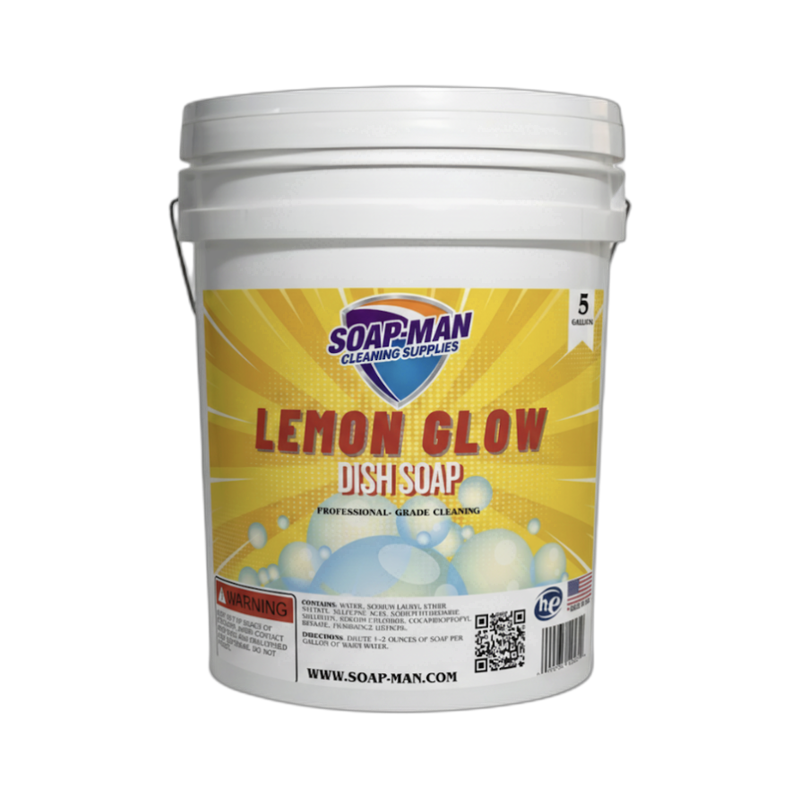
- Dish soap — Lemon Glow Dish Soap cuts fat effectively.
- Stiff nylon brush — a pastry or bottle brush works for the auger tube.
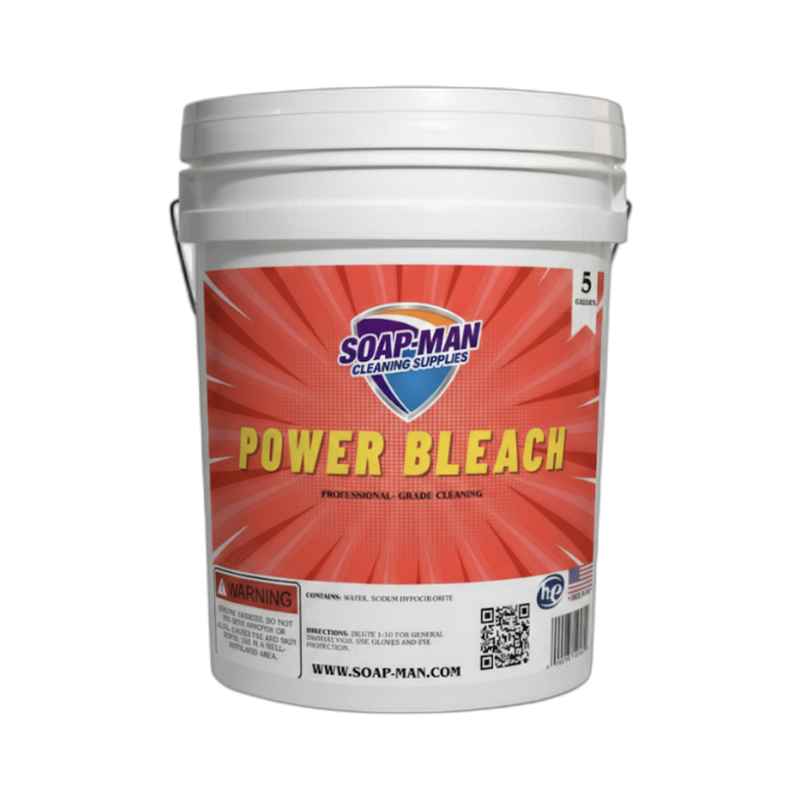
- Diluted bleach solution — 1 tablespoon of Power Bleach per gallon of water for sanitizing.
- Food-grade mineral oil — for rust prevention on carbon steel parts.
- Clean kitchen towels — for thorough drying.
- White bread — run through before disassembly to push out residual meat.
Step-by-Step: How to Clean a Meat Grinder
Step 1: Run Bread Through to Clear the Auger
Before disassembling, tear up a slice or two of dry white bread and run it through the grinder. The bread pushes residual ground meat out of the auger tube, the blade, and the plate holes. It also absorbs fat and blood. Collect the bread in a bowl and discard it. This one step cuts cleanup time in half.
Step 2: Disassemble Every Part
Unplug the grinder. Loosen the locking ring and pull out the plate, the blade, the auger, and the hopper tube. Most grinders separate into five or six pieces. Lay them out on a clean towel. Note the orientation of the blade — the sharp edges face the plate, not the auger — so you reassemble it correctly. Installing the blade backwards will wreck it and the plate on the next use.
Step 3: Hand-Wash With Hot Soapy Water
Fill a sink with hot water and plenty of Lemon Glow Dish Soap. Wash each piece individually with a stiff nylon brush. Push the brush through the auger tube, both directions. Work the bristles through every hole in the plate — meat lodges in those holes and dries like concrete. Scrub both sides of the blade, being extremely careful with the cutting edges. Rinse every piece in hot clean water until no soap remains.
Step 4: Sanitize, Dry, and Oil
Soak all parts for 2 minutes in a bleach sanitizing solution of 1 tablespoon of Power Bleach per gallon of cool water. Remove, rinse briefly under clean water, and dry every piece completely with a clean towel. Then air-dry for 15 more minutes to make sure no moisture is trapped. For carbon steel blades and plates, wipe a light film of food-grade mineral oil over the metal before storage. This prevents rust between uses. Never use vegetable oil — it goes rancid.
Pro Tips
- Clean immediately, not later. Ground meat dries on metal parts faster than you think. Once it hardens in the plate holes, you will need toothpicks and an hour to get it out. Clean within 15 minutes of finishing the grind.
- Never put grinder parts in the dishwasher. Dishwasher detergent is too alkaline for carbon steel and will strip the oil coating, accelerate rust, and dull the blade edge. Hand wash every time.
- Store the blade and plate wrapped in an oiled paper towel. This keeps the sharp edge protected and the metal sealed from humidity. A ziplock bag with a desiccant packet works for long-term storage.
FAQ
My grinder blade looks rusted. Can I save it?
Yes. Scrub the rust off with a scouring pad dipped in lemon juice and salt, then wash, dry, and re-oil. For deep rust, soak in white vinegar for 30 minutes, scrub, rinse, dry, and oil immediately. Once the surface is clean metal again, it will work fine.
Is a KitchenAid meat grinder attachment cleaned the same way?
Yes — same disassembly, same hand wash, same sanitizing, same drying. The attachment parts are typically all metal and need oil protection on any carbon steel pieces. Most modern attachments use stainless steel, which does not require oiling.
Can I use soap only, without the bleach sanitizing step?
Soap and hot water will get the grinder clean, but raw meat leaves bacteria that soap alone does not fully kill. The 2-minute bleach soak adds a sanitizing step recommended for any equipment that touches raw protein. Skip it only if you are regrinding immediately and not storing.
How often should I sharpen the blade and plate?
When ground meat starts coming out stringy or mushy instead of clean pebble-shaped grains, the blade and plate are dull. Most grinders need sharpening every 100 pounds of meat or so. Take them to a knife sharpener, or replace them — they are inexpensive.