
Why Your Dishwasher Needs Cleaning
It seems counterintuitive — a machine designed to clean should clean itself, right? Unfortunately, that's not how dishwashers work. Every cycle washes food particles, grease, soap residue, and mineral deposits through the system. Most of it drains away, but some of it accumulates over time in places you can't see: the filter, spray arms, door gasket, and drain.
A dirty dishwasher doesn't just smell bad — it performs badly. You'll notice dishes coming out with a film or residue, glasses looking cloudy, a musty smell when you open the door, or standing water at the bottom of the tub. These are all signs that your dishwasher is overdue for a cleaning.
As cleaning professionals, we recommend a thorough dishwasher cleaning once a month for most households. If you run your dishwasher daily or have hard water, every two weeks is even better. Here's exactly how to do it, step by step.
What You'll Need
- White distilled vinegar — The workhorse of dishwasher cleaning. Dissolves mineral deposits, cuts grease, and kills most bacteria.
- Baking soda — Deodorizes and provides gentle abrasive cleaning power.
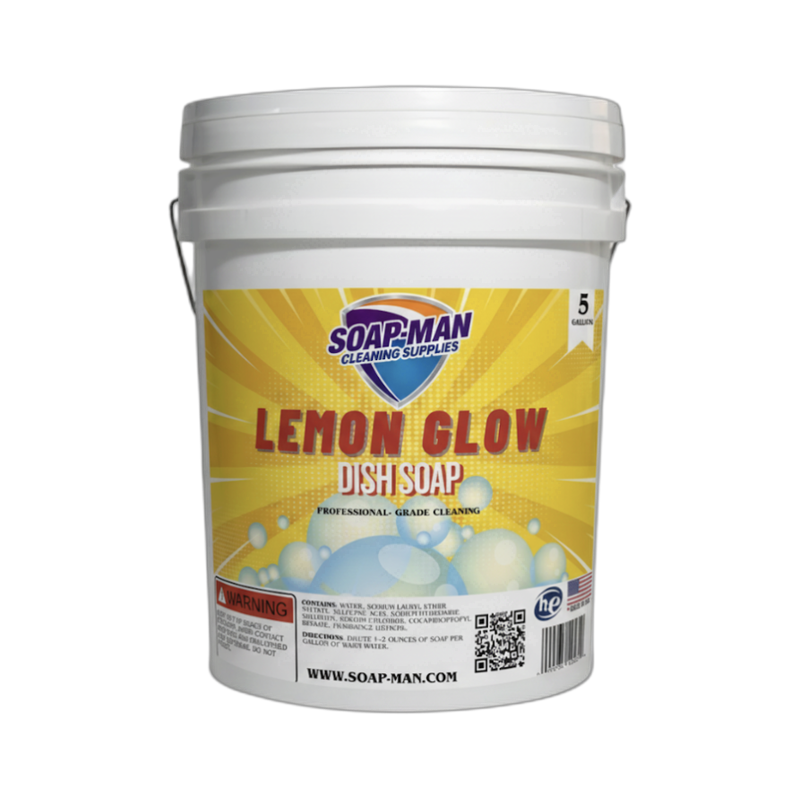
- Dish soap — A small amount of Lemon Glow Dish Soap for hand-cleaning removable parts.
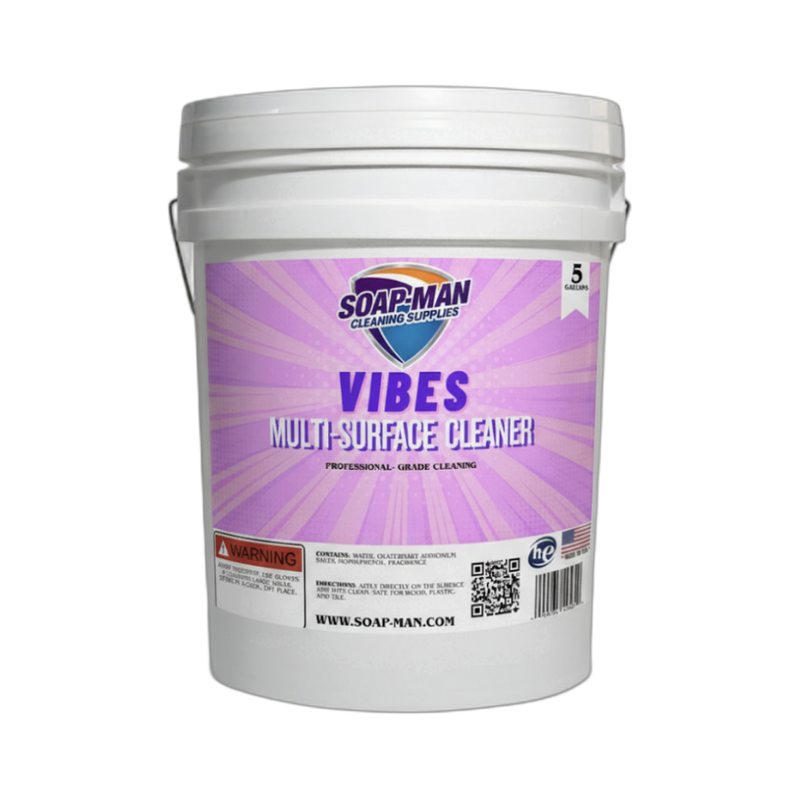
- Multi-surface cleaner — Vibes Multi-Surface Cleaner for the exterior and door edges.
- Old toothbrush or small brush — For getting into spray arm holes, gasket folds, and other tight spots.
- Wooden toothpick or thin wire — For clearing blocked spray arm holes.
- Microfiber cloths
- Rubber gloves — The debris you'll find in the filter isn't pleasant.
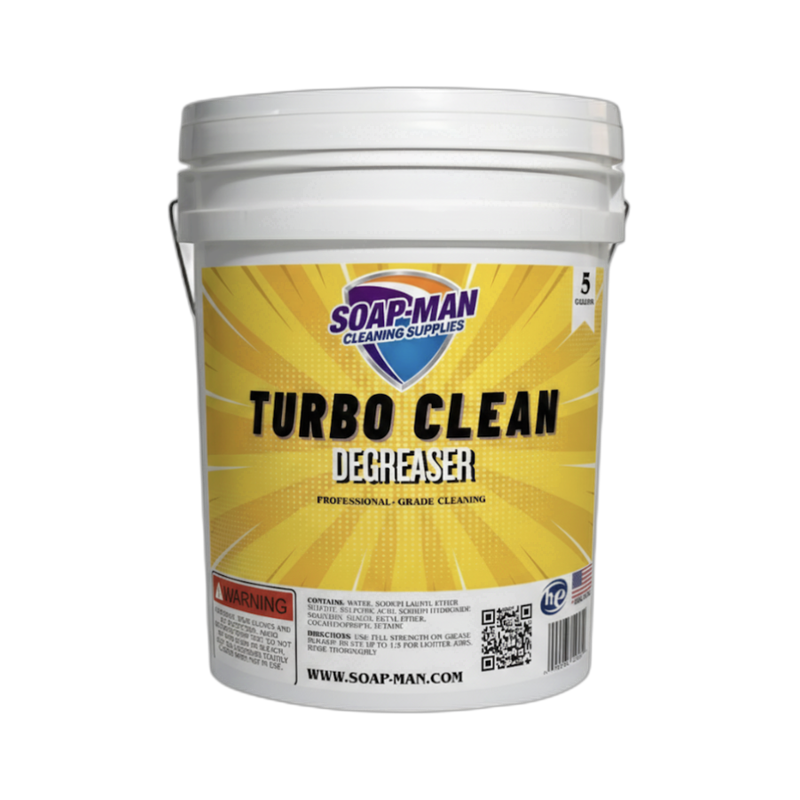
- Degreaser — Turbo Clean Degreaser for heavy grease buildup in commercial dishwashers or neglected residential units.
Step 1: Empty the Dishwasher Completely
Remove all dishes, racks, and utensil holders. You want full access to the interior. Pull out the bottom rack completely — set it aside for cleaning separately. Remove the top rack if it's easy to do so in your model.
Take a moment to inspect the bottom of the tub. You'll often find broken glass, food debris, labels that peeled off jars, or even small items (twist ties, seeds, bones) that have collected around the drain area. Remove all of this by hand before you start cleaning.
Step 2: Clean the Filter
This is the most important step and the one most people never do. The dishwasher filter traps food particles to prevent them from recirculating onto your dishes and clogging the drain pump. Over time, it gets clogged with grease, food mush, and debris.
Locating the Filter
Most modern dishwashers have a cylindrical filter located at the bottom center of the tub, under the lower spray arm. It usually twists out counterclockwise. Some models have a flat secondary filter underneath the cylindrical one. Consult your owner's manual if you've never removed your filter — each brand is slightly different.
Cleaning the Filter
Once removed, hold the filter under hot running water and scrub it with an old toothbrush and a drop of Lemon Glow Dish Soap. You'll be surprised (and possibly disgusted) by how much buildup comes off, especially if you've never cleaned it before.
For heavily clogged filters, soak in warm water with a tablespoon of dish soap for 10-15 minutes before scrubbing. If you see grease buildup that won't budge, a brief soak in diluted Turbo Clean Degreaser will dissolve it. Rinse thoroughly before reinstalling.
Hold the cleaned filter up to the light — you should be able to see through the mesh clearly. If it's still cloudy or clogged, scrub again. A clean filter is the single biggest factor in dishwasher performance.
Step 3: Clean the Spray Arms
The spray arms are the rotating arms (most dishwashers have two — one under each rack) that spray water during the wash cycle. Each arm has small holes or nozzles that can become clogged with mineral deposits, food particles, or grease.
Removing the Spray Arms
Most spray arms snap off or unscrew. The lower arm usually pulls straight up off a central post. The upper arm may twist off or have a nut holding it in place. Check your manual for your specific model.
Cleaning the Spray Arms
Hold each arm under running water and use a toothpick or thin wire to clear each individual spray hole. You'll often find small chunks of food or mineral deposits blocking these openings. When a spray hole is blocked, water can't reach the dishes in that area, leaving them dirty.
After clearing the holes, shake the spray arm — if you hear water sloshing inside, there may be debris trapped in the internal channel. Run water through the center opening to flush it out. Reinstall the spray arms and make sure they spin freely.
Step 4: Clean the Door Gasket and Edges
The rubber gasket around the door is a prime breeding ground for mold and mildew. It stays damp, it's warm, and food particles get trapped in its folds. This is often the source of that musty smell you notice when you open the dishwasher door.
Dip an old toothbrush in warm water with a splash of Vibes Multi-Surface Cleaner and scrub along the entire gasket, pulling back the rubber folds to clean inside them. You may find black mold, food debris, or a slimy film. Wipe clean with a damp microfiber cloth.
Also clean the door edges — the top and sides of the door that don't get reached by the spray arms during a cycle. These areas accumulate grime that never gets washed away because they're outside the wash zone. Wipe them down with your multi-surface cleaner.
Step 5: Clean the Drain Area
Look at the bottom of the dishwasher tub where the drain is located (usually in the back or center). Remove any visible debris — food particles, broken glass, labels, etc. Wipe the area around the drain with a cloth. If you see standing water that doesn't drain, you may have a clog in the drain hose (we'll cover troubleshooting below).
Step 6: Run a Vinegar Cycle
With the filter reinstalled, spray arms back in place, and all visible debris removed, it's time for a deep cleaning cycle. Place a dishwasher-safe cup or bowl on the top rack, fill it with 2 cups of white distilled vinegar. Run a complete cycle on the hottest water setting with no dishes inside.
The vinegar does several things simultaneously: it dissolves mineral deposits (limescale) throughout the entire water system, it cuts through grease buildup on the interior walls and pipes, it kills bacteria and mold, and it deodorizes the entire machine.
For commercial dishwashers or units with heavy mineral buildup, you may need to repeat this step or use a stronger concentration. In commercial kitchens, we recommend running this vinegar cycle weekly due to the higher volume of use.
Step 7: Run a Baking Soda Cycle
After the vinegar cycle finishes, sprinkle one cup of baking soda across the bottom of the empty dishwasher. Run a short hot-water cycle. Baking soda neutralizes any remaining odors, brightens the interior, and provides a mild abrasive cleaning action that removes stains from the tub.
When this cycle finishes, open the door and let the dishwasher air out. You should notice an immediately fresher smell and a cleaner-looking interior.
Step 8: Clean the Exterior
Don't forget the outside. The dishwasher door, handle, and control panel accumulate fingerprints, food splatters, and kitchen grease just like any other appliance.
For stainless steel exteriors, spray Vibes Multi-Surface Cleaner onto a microfiber cloth and wipe in the direction of the metal's grain. For plastic or painted exteriors, the same cleaner works well — just spray and wipe.
Clean the control panel buttons with a barely damp cloth — avoid spraying liquid directly onto the controls to prevent moisture from getting into the electronics. Use a cotton swab for gaps between buttons.
Cleaning the Dish Racks
While you have the racks out, inspect them for rust spots or chipped coating. Rusty racks can leave orange stains on your dishes. Most hardware stores sell rack repair paint that you can dab onto chips before they rust.
If your racks are grimy, soak them in the bathtub or a large utility sink with hot water and a few squirts of dish soap. Scrub with a brush, paying attention to the intersections where wires cross — food debris loves to hide there. Rinse and let dry before reinstalling.
Hard Water: The Hidden Dishwasher Killer
If you have hard water (and roughly 85% of the United States does), mineral deposits are your dishwasher's biggest enemy. Calcium and magnesium in hard water leave white, chalky buildup inside the tub, on the spray arms, in the water lines, and on your dishes.
Signs of Hard Water Buildup
- White, chalky film on the interior walls of the dishwasher
- Cloudy glasses and spotted silverware
- Reduced water pressure from the spray arms
- White deposits around the door gasket
- The dishwasher takes longer to heat water or doesn't clean as well
Combating Hard Water
Monthly vinegar cycles (Step 6 above) are your primary defense. For severe hard water, you may need to run a vinegar cycle every two weeks. You can also use citric acid instead of vinegar — dissolve 2-3 tablespoons of citric acid powder in the detergent cup and run a hot cycle. Citric acid is more effective than vinegar at dissolving heavy mineral deposits.
Long-term, a whole-house water softener is the best solution for hard water. It protects not just your dishwasher but all your water-using appliances. If that's not feasible, using a rinse aid in every cycle helps prevent mineral deposits from forming on dishes and interior surfaces.
Troubleshooting Common Dishwasher Problems
Dishwasher Smells Bad
A persistent odor usually means one of three things: the filter is clogged with decomposing food, mold is growing in the door gasket, or there's standing water in the drain line. Clean the filter first (this solves the problem 80% of the time), then check the gasket for mold, then inspect the drain. Running a vinegar cycle after addressing the source eliminates residual odor.
Dishes Come Out Dirty or Filmy
Check the spray arms for blocked holes first — this is the most common cause. Then check the filter. If both are clean, the issue may be water temperature (your water heater should be set to at least 120 degrees F), insufficient detergent, or overloading the dishwasher so water can't circulate properly.
Standing Water in the Bottom
A small amount of water (up to about half an inch) at the very bottom is normal — it keeps the drain seal lubricated. More than that suggests a drainage issue. Check for debris blocking the drain, a kinked drain hose, or a clogged garbage disposal (the dishwasher drain often connects to the disposal).
White Film on Glasses
This is almost always hard water mineral deposits. Run a vinegar cycle, start using a rinse aid, and make sure your water heater is set to at least 120 degrees F. For glasses already affected, soak them in a basin of warm water with 1 cup of vinegar for 30 minutes, then hand wash.
Rust Stains Inside the Dishwasher
Rust usually comes from damaged rack coating (fix with rack repair paint), rusty items loaded into the dishwasher, or actual corrosion of the tub interior (rare, but it happens in older machines). Identify and fix the source, then use a dishwasher-safe rust remover or a paste of baking soda and hydrogen peroxide to address existing stains.
Monthly Dishwasher Maintenance Checklist
Put this on your calendar. It takes about 30 minutes and keeps your dishwasher running like new.
- Clean the filter: Remove, scrub, rinse, reinstall. Check monthly, clean as needed.
- Inspect and clear spray arm holes: Check for clogs, clear with a toothpick.
- Wipe the door gasket: Scrub with a toothbrush, check for mold.
- Clear the drain area: Remove any debris from the bottom of the tub.
- Run a vinegar cycle: 2 cups of vinegar, hottest setting, empty dishwasher.
- Run a baking soda cycle: 1 cup of baking soda, short hot cycle.
- Clean the exterior: Wipe down door, handle, and control panel.
- Check the racks: Look for chips or rust spots.
- Inspect the door latch: Make sure it closes firmly and seals properly.
Commercial Dishwasher Cleaning
Commercial dishwashers in restaurants, hotels, and catering operations process hundreds of loads per week and require more aggressive maintenance. The principles are the same, but the frequency and intensity increase significantly.
Daily cleaning should include filter cleaning (twice daily in high-volume operations), drain clearing, and a wipe-down of the door gasket and interior walls. Weekly deep cleaning should include spray arm inspection, a vinegar or citric acid deliming cycle, and exterior degreasing with Turbo Clean Degreaser.
Commercial units also need quarterly professional maintenance: water temperature verification, pump inspection, gasket replacement assessment, and deliming of water lines. The cost of downtime from a broken commercial dishwasher far exceeds the cost of regular maintenance.
Frequently Asked Questions
How often should I clean my dishwasher?
For most households, a full deep clean once a month is sufficient. If you have hard water, run your dishwasher heavily (daily or more), or notice odors or performance issues, increase to every two weeks. The filter should be checked monthly at minimum — weekly if you don't pre-rinse dishes before loading.
Can I use bleach to clean my dishwasher?
If your dishwasher has a stainless steel interior, do not use bleach — it can corrode and discolor the steel. If you have a plastic interior, you can add half a cup of bleach to the bottom of an empty dishwasher and run a hot cycle to kill mold and bacteria. Never mix bleach with vinegar or other cleaning products.
Why does my dishwasher smell like eggs?
A sulfur or rotten-egg smell usually comes from food trapped in the filter or drain, or from bacteria growing in standing water. Clean the filter, clear the drain, and run a vinegar cycle. If the smell persists, the drain hose may need cleaning or replacement — food can decompose inside the hose itself.
Should I rinse dishes before putting them in the dishwasher?
You don't need to pre-wash dishes, but you should scrape off large food particles. Modern dishwashers and detergents are designed to handle some food residue — in fact, some detergents work better when there's food for the enzymes to break down. However, things like bones, seeds, labels, and large chunks of food should always be scraped off to protect the filter and pump.
Can I use regular dish soap in the dishwasher?
Absolutely not. Regular dish soap like the kind you use for hand-washing dishes creates massive amounts of suds in a dishwasher. You'll end up with a kitchen full of bubbles and potentially damage the machine. Always use detergent specifically formulated for dishwashers. Regular dish soap is for hand-washing and for cleaning the dishwasher's removable parts by hand.
How do I clean the inside of a dishwasher door?
Open the door and look at the bottom edge and the area where the door meets the tub. This zone doesn't get reached by the spray arms during a cycle, so it accumulates grime. Spray Vibes Multi-Surface Cleaner on a cloth and wipe the entire inner surface of the door, paying special attention to the hinge area at the bottom and the detergent dispenser.
My dishwasher is brand new and it smells. Is that normal?
Yes. New dishwashers often have a plastic or chemical smell from manufacturing. Run 2-3 empty cycles on the hottest setting — the first with vinegar, the second with baking soda. This should eliminate the new-machine smell. If it persists after several cycles, contact the manufacturer.