
Why Pet Bowls Get So Dirty
The NSF consistently ranks pet bowls among the dirtiest items in American homes. Food bowls accumulate fats, meat residue, and saliva that grow Salmonella, E. coli, and Listeria. Water bowls develop biofilm — a slippery, slimy layer of bacteria that builds up on the interior and regrows within 24 hours of cleaning. Left uncleaned, these contaminated bowls can make your pet sick, and handling them can spread bacteria to your own hands and kitchen surfaces. Daily washing is the minimum; a weekly deep clean handles what routine washing misses.
What You'll Need
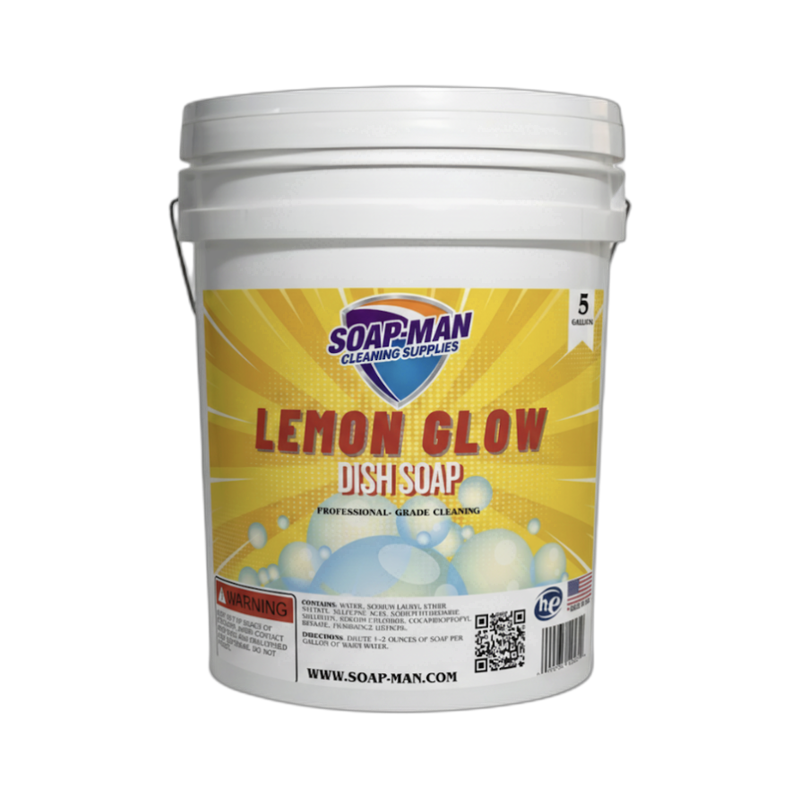
- Dish soap — Lemon Glow Dish Soap cuts fats and rinses clean.
- Separate sponge or brush — dedicated to pet bowls only, never mixed with human dishes.
- Hot water
- White vinegar — for weekly deep cleans.
Step-by-Step: How to Clean Pet Bowls
Step 1: Daily Wash After Every Meal
After your pet finishes eating, take the bowl to the sink immediately. Rinse off any remaining food, then scrub with hot water and a squirt of Lemon Glow Dish Soap using your dedicated pet bowl sponge. Pay special attention to the rim and the bottom interior where fats collect. Rinse thoroughly with hot water until no soap remains.
Step 2: Water Bowls Daily Too
Water bowls need the same treatment, even though they look clean. Run your finger along the inside of a water bowl that has been sitting out for a day — you will feel a slimy film. That is biofilm, and it is full of bacteria. Empty the bowl, scrub with soap and hot water, and refill with fresh water every day.
Step 3: Weekly Deep Clean
Once a week, give bowls an extra-thorough clean. Fill the bowl with equal parts white vinegar and hot water and let it soak for 10 minutes. The vinegar breaks down mineral buildup, eliminates odor, and kills bacteria that survive regular washing. Scrub, rinse thoroughly, and dry.
Step 4: Air-Dry or Towel-Dry
Let bowls air-dry completely on a clean rack, or dry immediately with a clean towel. Returning damp bowls to the floor invites mold growth on the underside where moisture gets trapped.
Pro Tips
- Use stainless steel or ceramic. Plastic bowls scratch easily, and those scratches harbor bacteria that are nearly impossible to remove. Stainless steel and ceramic clean much more thoroughly.
- Keep a dedicated sponge. Never clean pet bowls with the same sponge you use for human dishes. Cross-contamination is a real risk with raw diet feeding.
- Wash your hands after handling bowls. Pet food bacteria transfer to your hands easily. Always wash up after bowl cleaning.
FAQ
Can I put pet bowls in the dishwasher?
Yes, dishwasher-safe pet bowls clean very well in a high-heat cycle. The heat kills bacteria more effectively than hand-washing. Just make sure to run them alone or on a separate cycle from human dishes for peace of mind.
How do I get rid of the slimy film in water bowls?
That slime is biofilm, and routine soap washing does not fully remove it. Scrub the interior with a stiff brush (not a sponge) to physically break up the layer. A weekly vinegar soak helps prevent rebuilding.
What if my pet has a stainless steel bowl with rust spots?
Rust on stainless steel usually comes from hard water mineral deposits. Soak the bowl in equal parts white vinegar and water for 30 minutes, then scrub with baking soda paste. For deep rust, retire the bowl and replace it.
How often should I replace pet bowls?
Stainless steel and ceramic bowls can last years if undamaged. Replace plastic bowls every six months or whenever you see scratches — scratched plastic harbors bacteria permanently. Replace any bowl with cracks, chips, or peeling finish.