
Why Walls Need Cleaning (Even When They Don't Look Dirty)
Walls are the biggest surfaces in your home and they silently collect dust, cooking grease, body oils (from leaning and touching), cigarette residue, pet marks, and airborne particles every day. Because the change is gradual, most people don't notice until they move a picture frame and see a clean rectangle surrounded by a dingy wall. Or they repaint one room and realize the adjacent room looks gray by comparison. Cleaning walls is straightforward, but the approach depends entirely on your paint finish. Flat paint needs a completely different technique than semi-gloss, and using the wrong method on the wrong finish leaves streaks, watermarks, or bare spots. This guide covers every common paint finish so you can clean confidently.
What You'll Need
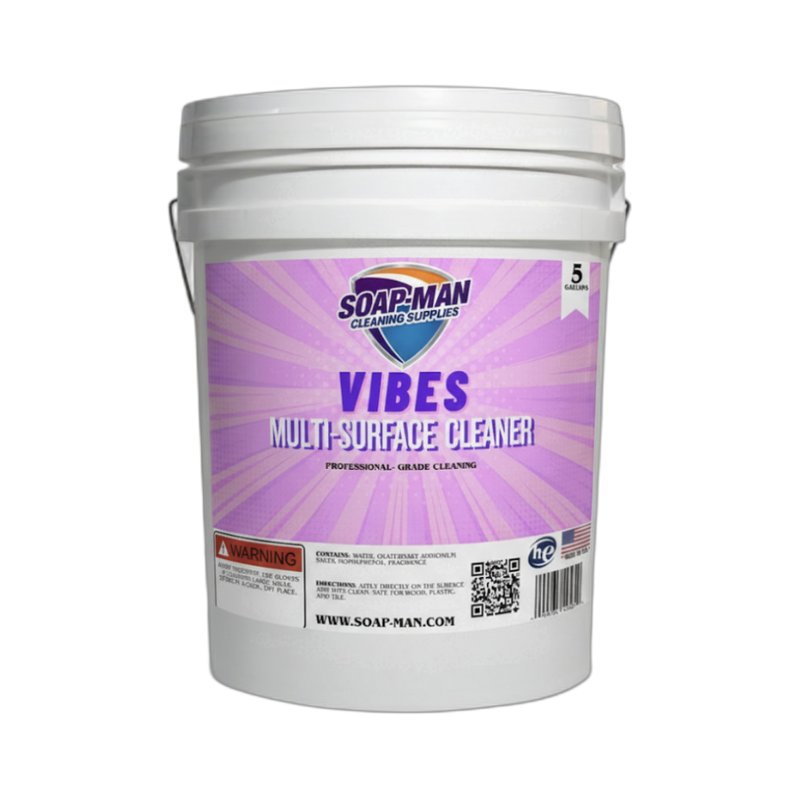
- Multi-surface cleaner — Vibes Multi-Surface Cleaner handles fingerprints, smudges, and general grime on most paint finishes without damaging them.
- Two buckets — one with cleaning solution, one with clean rinse water.
- Large natural sponge or microfiber cloth
- Dry towel — for immediate drying to prevent watermarks.
- Magic Eraser (melamine sponge) — for stubborn scuffs (use with caution on flat paint).
- Step stool or ladder
- Drop cloth or old towels — to protect floors and baseboards from drips.
- Microfiber dust mop or Swiffer — for the dry dusting step.
Step-by-Step: How to Clean Walls
Step 1: Dust First, Always
Before any wet cleaning, dust the walls from top to bottom using a microfiber dust mop, Swiffer, or a cloth draped over a broom. This removes loose dust, cobwebs, and surface debris that would turn into mud streaks the moment you add water. Start at the ceiling line and work down, using long downward strokes. Don't skip this step — wet-cleaning a dusty wall smears rather than cleans, and you'll end up doing twice the work.
Step 2: Know Your Paint Finish
Your cleaning approach depends on the paint finish. Flat or matte paint is the most delicate — it absorbs water, shows scrub marks, and loses its finish if you rub too hard. Eggshell and satin finishes are more durable and handle gentle scrubbing. Semi-gloss and gloss finishes are the most washable and can tolerate moderate scrubbing with cleaning solutions. If you don't know your paint finish, test in a hidden area first (behind furniture or in a closet). Spray the cleaner on a small spot, wipe, and check for any color removal or sheen change before doing the whole wall.
Step 3: Clean in Sections from Bottom to Top
This sounds backward, but cleaning from the bottom up prevents dirty water from running down over dry, dirty wall surface — those drip trails can leave permanent streaks that are nearly impossible to remove. Work in 3-4 foot sections. Dip your sponge or cloth in the cleaning solution (warm water with a small amount of Vibes Multi-Surface Cleaner), wring it out thoroughly (the cloth should be damp, not dripping), and wipe the section in gentle, overlapping strokes. For flat paint, use the lightest possible pressure and a single pass — multiple scrubs on the same spot risk removing paint. For semi-gloss and gloss, you can apply moderate pressure.
Step 4: Rinse and Dry Immediately
After cleaning each section, wring a clean sponge in the rinse water bucket and wipe the section to remove cleaning solution residue. Then immediately pat the area dry with a clean towel. This three-step process (clean, rinse, dry) prevents watermarks and streaks. Standing water on painted walls — even semi-gloss — can seep behind the paint film and cause bubbling or peeling over time. The faster you dry each section, the better the result. Change your rinse water frequently — dirty rinse water redeposits grime.
Step 5: Spot-Treat Stubborn Marks
For scuffs, crayon marks, and stubborn fingerprints that survive the general cleaning, try a Magic Eraser dampened with water. Use light pressure and small strokes — melamine sponges are mildly abrasive and will remove paint if you press too hard or rub too long in one spot. On flat paint, test in a hidden area first because melamine can remove the finish and leave a shiny spot. For grease spots (common on kitchen walls), spray degreaser directly on the spot, wait five minutes, and blot gently rather than scrubbing.
Pro Tips
- Keep leftover paint for touch-ups. No matter how carefully you clean, some marks (permanent marker, deep scuffs, old stains) may need paint touch-up rather than cleaning. Keep the original paint can with the color formula noted on the lid.
- Clean high-traffic areas monthly. Hallways, stairwells, areas around light switches, and kitchen walls near the stove get dirty fastest. Monthly cleaning on these areas prevents buildup that requires aggressive scrubbing later.
- Use a damp cloth daily on light switch plates. Switch plates and the wall area immediately surrounding them accumulate fingerprints faster than anywhere else. A daily wipe with a damp cloth takes five seconds and keeps the most visible marks at bay.
Common Mistakes
- Cleaning from top to bottom. Dirty water running down over dry, dirty wall creates streaks that set into the surface. Always start from the bottom so drips run over already-cleaned sections.
- Using too much water on flat paint. Flat paint is essentially porous. Excess water soaks in, raises the paint film, and can cause peeling. The sponge should be barely damp — wrung out until no water drips when you squeeze.
- Scrubbing stains aggressively. Aggressive scrubbing on any paint finish creates a shiny, burnished spot that looks different from the surrounding surface. Gentle, repeated passes with cleaning solution are more effective and leave no visible mark.
FAQ
How do I remove crayon from walls?
For washable paint finishes (eggshell and above), a Magic Eraser with light pressure removes most crayon marks. For flat paint, try rubbing a small amount of mayonnaise or baking soda paste on the crayon mark, letting it sit for a minute, then wiping gently with a damp cloth. The oils in mayonnaise dissolve the wax in crayons. WD-40 also works but leave it on for only 30 seconds before wiping — longer exposure can stain.
Can I use vinegar to clean painted walls?
Diluted white vinegar (one cup per gallon of water) is safe for semi-gloss and gloss finishes and effective at cutting grease. However, avoid vinegar on flat paint — the acidity can break down the binder in flat paint over time. For flat walls, stick to warm water with a mild cleaner.
How do I clean walls before painting?
TSP (trisodium phosphate) is the standard pre-paint wall cleaner — it removes grease, grime, and chalky residue that prevents new paint from adhering properly. Mix per package directions, wipe walls down, rinse with clean water, and let dry completely before painting. For lighter cleaning needs, the Vibes Multi-Surface Cleaner method in this guide followed by a clean water rinse is sufficient.
Should I clean my ceiling the same way?
Same process, but ceilings are almost always flat paint and are harder to reach. Use an extension pole with a flat microfiber mop head, damp (not wet). Work in small sections and be especially careful with water — ceilings are more prone to watermarks because gravity pulls liquid outward from the contact point, creating visible rings.
How do I remove scuff marks from white walls?
A clean tennis ball rubbed over scuff marks removes most of them without affecting paint. For stubborn scuffs, a barely damp Magic Eraser with very light pressure works on eggshell, satin, semi-gloss, and gloss finishes. On flat white paint, test first — if the Magic Eraser removes a slight amount of paint, the fresh spot may actually look whiter than the surrounding wall, creating a reverse problem.