
Why Blood Stains Are So Difficult to Remove
Blood is one of the hardest biological stains to remove because of its chemistry. Blood contains hemoglobin, a protein that binds to fabric fibers and coagulates (solidifies) when exposed to heat. This is why hot water — which works on most stains — actually makes blood stains worse. The heat cooks the protein into the fabric, essentially dyeing it. Understanding this one fact changes everything about how you approach blood stain removal.
The key principle is simple: cold water and enzymatic action. Cold water keeps the blood in a soluble state so it can be flushed from the fibers. Enzymatic cleaners break down the protein bonds that lock the stain in place. Master these two principles and you can remove blood stains from virtually any washable fabric, whether the stain is 5 minutes old or 5 days old.
What You'll Need
- Cold water — the single most important tool. Never use warm or hot water on blood.
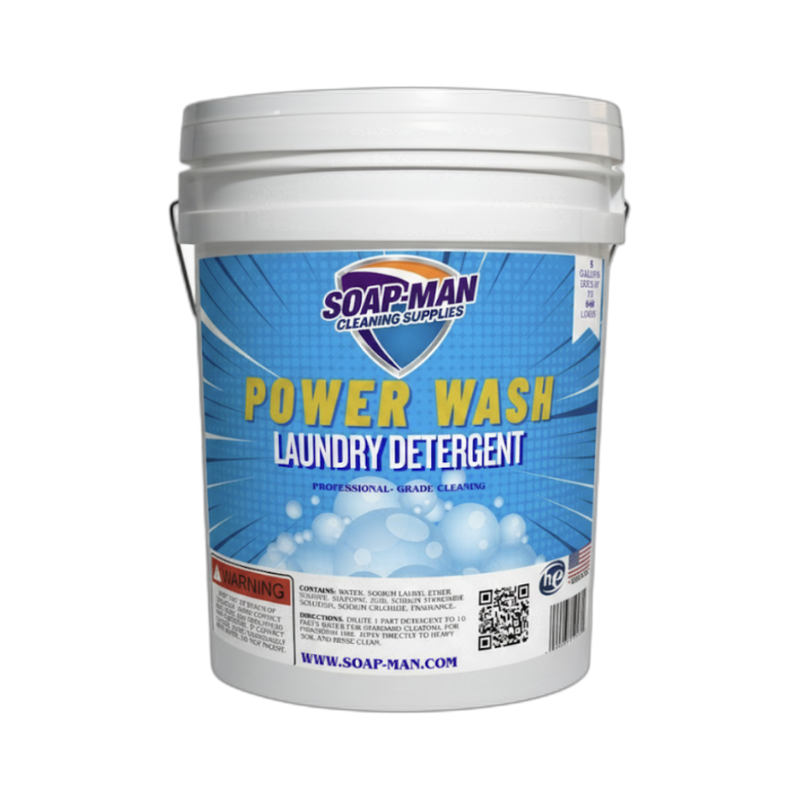
- Laundry detergent — Power Wash Laundry Detergent contains surfactants that lift blood proteins from fabric fibers.
- Hydrogen peroxide (3%) — breaks down blood through oxidation. Test on an inconspicuous area first.
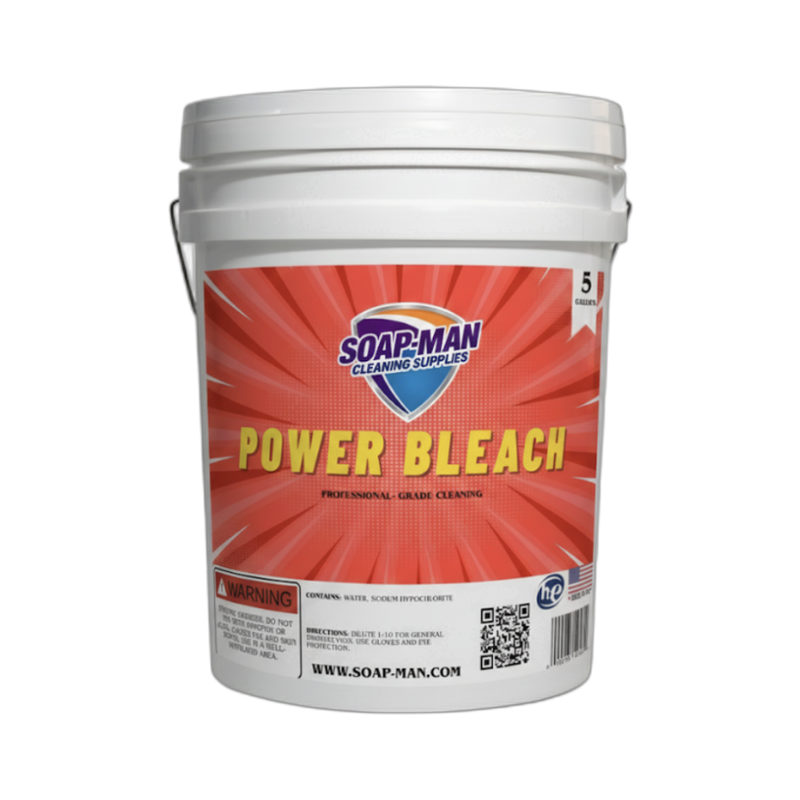
- Bleach — Power Bleach for white fabrics when hydrogen peroxide isn't enough.
- Salt — for creating an abrasive paste on fresh stains.
- White cloths or paper towels — for blotting. White prevents dye transfer.
- A small brush or old toothbrush
Step-by-Step: Removing Blood Stains
Step 1: Act Fast and Use Cold Water
Speed is your biggest advantage with blood stains. If the blood is still wet, hold the fabric under cold running water from the back side (pushing the stain out of the fabric rather than deeper in). Cold water alone removes a surprising amount of fresh blood — you'll see the water run red and then gradually clear. Keep flushing until no more color comes out. For large stains, soak the entire garment in a basin of cold water for 30 minutes, agitating occasionally.
Step 2: Apply Detergent and Work the Stain
Apply Power Wash Laundry Detergent directly to the remaining stain. Work it into the fabric with your fingers or a soft brush, using gentle circular motions. Let the detergent sit on the stain for 15-20 minutes. The surfactants in the detergent break the bond between blood proteins and fabric fibers. After dwelling, rinse with cold water and check the stain. Repeat this step if the stain is fading but not gone — each application removes another layer.
Step 3: Use Hydrogen Peroxide for Stubborn Stains
If detergent alone didn't fully remove the stain, apply 3% hydrogen peroxide directly to the stained area. You'll see it fizz — that's the peroxide breaking down the hemoglobin. Let it fizz for 5-10 minutes, then blot with a clean white cloth. Rinse with cold water. Hydrogen peroxide is safe for most light-colored fabrics but can lighten or bleach darker colors. Always test on a hidden seam or hem first. For white fabrics, peroxide is your best friend for blood stains.
Step 4: Bleach for White Fabrics Only
If you're dealing with blood on white sheets, towels, or white clothing, and the stain persists after peroxide, dilute Power Bleach according to label directions and soak the stained area for 10-15 minutes. Rinse thoroughly with cold water. Never use bleach on colored or dark fabrics — it will remove the fabric dye along with the blood stain. Bleach is the nuclear option for white fabrics and is extremely effective on blood.
Step 5: Launder Normally and Verify
Once the stain appears gone (or nearly gone), launder the garment in the coldest water setting appropriate for the fabric with a full dose of detergent. Before putting the garment in the dryer, check the stained area carefully. If any trace of blood remains, the dryer heat will permanently set it. Repeat steps 2-4 before drying. Air drying is always safer than machine drying until you've confirmed the stain is completely gone.
Pro Tips
- Salt paste for fresh stains on the go. If you can't wash immediately, make a paste of salt and cold water, apply it to the stain, and let it sit. Salt draws moisture and blood out of the fabric through osmosis. Brush off the dried salt later and treat normally.
- Your own saliva works in emergencies. Saliva contains enzymes that break down blood proteins. For a small fresh blood stain (like a nicked finger on a shirt), applying your own saliva and dabbing with a wet cloth can remove it before it sets. This works because your body's enzymes are specifically designed to break down blood components.
- Meat tenderizer for dried stains. Unseasoned meat tenderizer contains enzymes (papain or bromelain) that break down proteins. Make a paste with cold water, apply to the dried blood stain, let it sit for 30 minutes, then rinse and launder.
Common Mistakes
- Using hot water. This is the number one mistake. Hot water cooks the hemoglobin protein into the fabric permanently. Always use cold water on blood, every step of the way.
- Rubbing the stain. Rubbing pushes blood deeper into the fabric weave and spreads it outward. Blot from the outside edge inward, and let chemistry do the work instead of friction.
- Putting the garment in the dryer before verifying. Dryer heat permanently sets any remaining blood. Always air dry or check carefully before machine drying.
FAQ
Can I remove dried blood stains?
Yes, but it takes more effort. Soak the stained area in cold water for at least 1-2 hours (overnight is better) to rehydrate the dried blood. Then follow the same steps — detergent, hydrogen peroxide, and potentially bleach for whites. Dried blood that's been through the dryer is the hardest to remove, but even then, multiple rounds of hydrogen peroxide treatment can lighten or remove the stain.
How do I remove blood from a mattress?
Blot up excess blood with a cold, damp cloth (don't soak the mattress). Apply hydrogen peroxide directly to the stain and let it fizz. Blot with a clean cloth. Repeat until the stain is gone. Then dab with a cloth dampened in cold water to remove peroxide residue, and blot dry. Place a fan on the area to dry it completely — moisture inside a mattress causes mold.
Will blood stains come out of silk or wool?
Yes, but these delicate fabrics require gentler treatment. Use cold water and a mild detergent only — no hydrogen peroxide or bleach, which can damage protein fibers like silk and wool. For silk, soak in cold water with a tiny amount of detergent, then gently blot the stain. For wool, the same approach works, but never agitate or wring wool — it felts. If the stain won't come out with gentle treatment, take it to a dry cleaner and point out the stain.
Can blood stains be removed from carpet?
Yes. Apply cold water to the stain and blot (never rub) with a white cloth. Apply a mixture of cold water and a tablespoon of dish soap, blot, rinse with cold water, and blot again. For stubborn carpet blood stains, apply hydrogen peroxide, let it sit for 10 minutes, and blot. Test peroxide in a hidden area first — it can lighten some carpet dyes.
Why does my blood stain turn brown?
Fresh blood is bright red because the hemoglobin contains oxygenated iron. As it dries and the iron oxidizes, the stain turns brown — the same chemical process as rust. The brown color doesn't mean the stain is harder to remove — the same cold-water-and-enzyme approach works on brown (dried) blood. It just needs longer soaking time to rehydrate.