
The Science Behind Red Wine Stains
Red wine stains are caused by anthocyanins — natural plant pigments that give red wine its color. These pigments are water-soluble when wet, which means a fresh wine spill is much easier to remove than a dried one. Once the wine dries, the anthocyanins bond with fabric fibers and become significantly harder to dissolve. Heat (from a dryer or hot water) accelerates this bonding permanently.
The good news is that red wine responds well to a combination of dilution, salt absorption, and oxidizing agents. If you act within the first few minutes, you can often remove a wine stain completely with just cold water and salt. Even dried wine stains can usually be removed with the right approach — it just takes more time and chemistry.
What You'll Need
- Salt — the first-response tool for absorbing fresh wine.
- Cold water
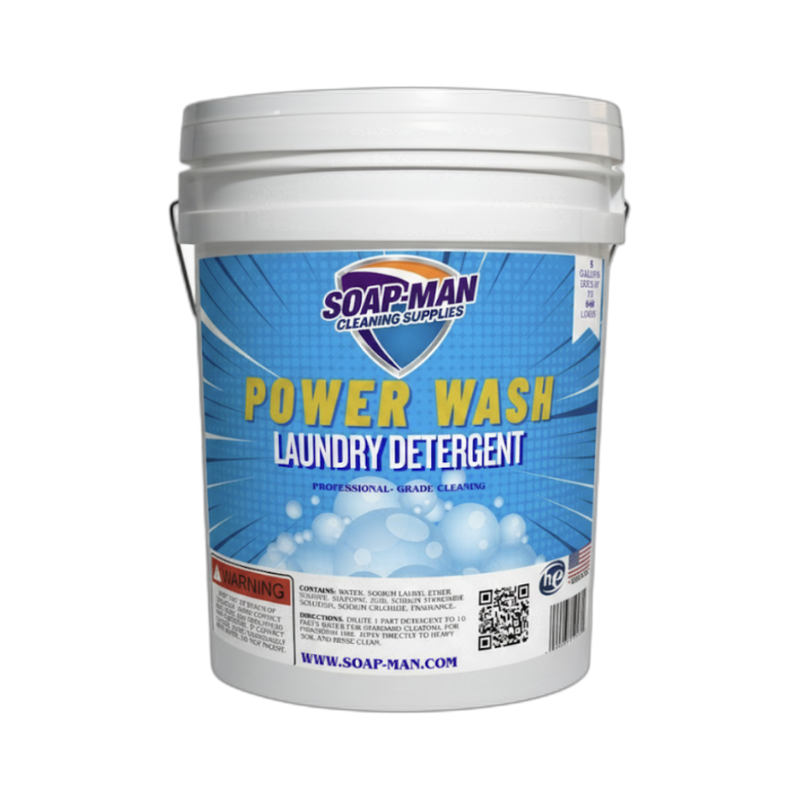
- Laundry detergent — Power Wash Laundry Detergent for pre-treating and laundering.
- White vinegar
- Hydrogen peroxide (3%) — for light-colored fabrics.
- Dish soap
- Clean white cloths
- Baking soda
Step-by-Step: Removing Red Wine Stains
Step 1: Blot Immediately — Don't Rub
The moment wine spills, grab a clean white cloth or paper towel and blot the stain gently. Press straight down and lift — don't rub or scrub, which pushes the wine deeper into the fabric and spreads it outward. Switch to a clean section of the cloth frequently. Blotting removes the bulk of the liquid wine before it has time to bond with the fibers. For tablecloths or clothes you're still wearing, this buys you critical time.
Step 2: Apply Salt Generously
While the stain is still wet, pour a generous mound of table salt directly onto it. The salt absorbs wine through osmosis, pulling the liquid and pigment out of the fabric. You'll see the salt turn pink as it works. Leave the salt on for at least 5 minutes (longer is fine — even overnight if you can't treat the stain right away). Brush off the salt and assess the stain. For many fresh spills on lighter fabrics, salt alone removes most of the color.
Step 3: Flush with Cold Water and Pre-Treat
Flush the stained area with cold water from the back of the fabric (pushing the stain out, not deeper in). Apply Power Wash Laundry Detergent directly to the remaining stain and work it in gently with your fingers. Let it sit for 15-20 minutes. The detergent's surfactants break down the anthocyanin pigments and lift them from the fiber surface.
Step 4: Apply a Vinegar-Soap Solution for Stubborn Stains
Mix one tablespoon of white vinegar, one tablespoon of dish soap, and two cups of cold water. Apply this solution to the stain with a clean cloth, dabbing and blotting. The acid in vinegar helps break down the wine pigments, while the soap lifts them from the fabric. Continue dabbing with the solution and blotting with a clean dry cloth until no more color transfers. Rinse with cold water.
Step 5: Launder and Verify Before Drying
Wash the garment in the coldest water setting with a full dose of detergent. Before putting it in the dryer, check the stained area under good lighting. If any pink or red remains, repeat steps 3-4. The dryer's heat will permanently set any remaining wine pigment. Air drying is always the safest option until you're confident the stain is gone.
Pro Tips
- Club soda works in a pinch. If salt isn't available, pour club soda directly onto the fresh wine stain. The carbonation helps lift the pigment, and the water dilutes the wine. It's not as effective as salt, but it's a solid emergency option at a dinner party.
- Hydrogen peroxide for white fabrics. For white tablecloths, shirts, or napkins, mix equal parts hydrogen peroxide and dish soap, apply to the stain, and let it sit for 30 minutes. This combination is extremely effective on wine but will bleach colored fabrics.
- Boiling water from height for tablecloths. For a wine stain on a cotton tablecloth, stretch the fabric over a bowl, secure with a rubber band, and pour boiling water from 2-3 feet above. The force and heat flush out the pigment. This works only on fresh stains and heat-safe fabrics like cotton and linen — never on silk, wool, or synthetics.
Common Mistakes
- Using white wine to remove red wine. This popular myth doesn't work. White wine just dilutes the red wine slightly — it doesn't remove the pigment. You're better off with salt and cold water.
- Rubbing the stain with a napkin. Rubbing is the most common instinct and the worst possible response. It spreads the stain and pushes pigment deeper into the weave. Blot straight down, always.
- Waiting until tomorrow. Time is the enemy of wine stain removal. A stain treated in the first 5 minutes has a 95% removal rate. A stain left overnight drops to about 60%. Every hour the pigment bonds more permanently.
FAQ
Can I remove a dried red wine stain?
Yes, but it requires more effort. Soak the stained area in cold water for 30 minutes to rehydrate the pigment. Apply detergent directly and let it sit for 30 minutes. If the stain persists, mix hydrogen peroxide and dish soap (for light fabrics) or use a vinegar-soap solution (for colored fabrics). Multiple rounds of treatment may be needed. Dried wine stains that have been through a dryer are the hardest — you may need to repeat the hydrogen peroxide treatment 3-4 times.
How do I remove red wine from carpet?
Blot up as much wine as possible with white cloths. Apply salt generously and let it absorb for 10-15 minutes. Vacuum up the salt. Mix cold water with a tablespoon of dish soap and a tablespoon of white vinegar. Apply to the stain with a cloth, blotting repeatedly. Rinse by blotting with a cloth dampened with plain cold water. Repeat the soap-vinegar solution and rinsing until no more color comes up. Let the area dry completely.
Will red wine stain granite or marble countertops?
Yes, wine can stain natural stone, especially lighter-colored and unsealed marble or granite. Blot immediately, clean with a stone-safe cleaner, and dry. For stains that have already set into stone, a poultice of baking soda and hydrogen peroxide left overnight can draw the pigment out. Seal your countertops annually to prevent staining.
Does red wine stain teeth permanently?
No. Wine staining on teeth is temporary and comes from the same anthocyanin pigments that stain fabric. Brushing within 30 minutes of drinking (or swishing with water during the meal) prevents buildup. Professional dental cleaning removes wine staining easily.
Can I remove red wine stains from a couch?
Check the care tag first — "W" means water-based cleaning is safe, "S" means solvent only, "WS" means either works. For water-safe upholstery, use the same blot-salt-detergent-vinegar approach as clothing. For solvent-only upholstery, blot, apply salt, and take it to a professional cleaner. Never soak upholstery — excess water causes mildew inside cushions.