
What Actually Causes Yellow Sweat Stains
The yellow stains in the underarm area of shirts are not caused by sweat alone. Sweat itself is nearly colorless. The yellow discoloration is a chemical reaction between proteins in your perspiration and the aluminum compounds found in most antiperspirant deodorants. When these chemicals combine with the salts and oils in your sweat and bind to fabric fibers, they create a yellowish compound that standard washing cannot fully dissolve. This is why the stains get worse over time even when you wash the shirt after every wear — each wash cycle sets the stain a little deeper with heat from the dryer. Understanding this chemistry is the key to removing them: you need to break the protein bond, dissolve the aluminum residue, and lift the discoloration out of the fabric fibers.
What You'll Need
- Hydrogen peroxide (3%) — the main stain-breaking agent.
- Baking soda — boosts the peroxide and provides mild abrasion.
- Dish soap — Lemon Glow Dish Soap cuts through the oily sebum component.
- White vinegar — dissolves aluminum and mineral deposits.
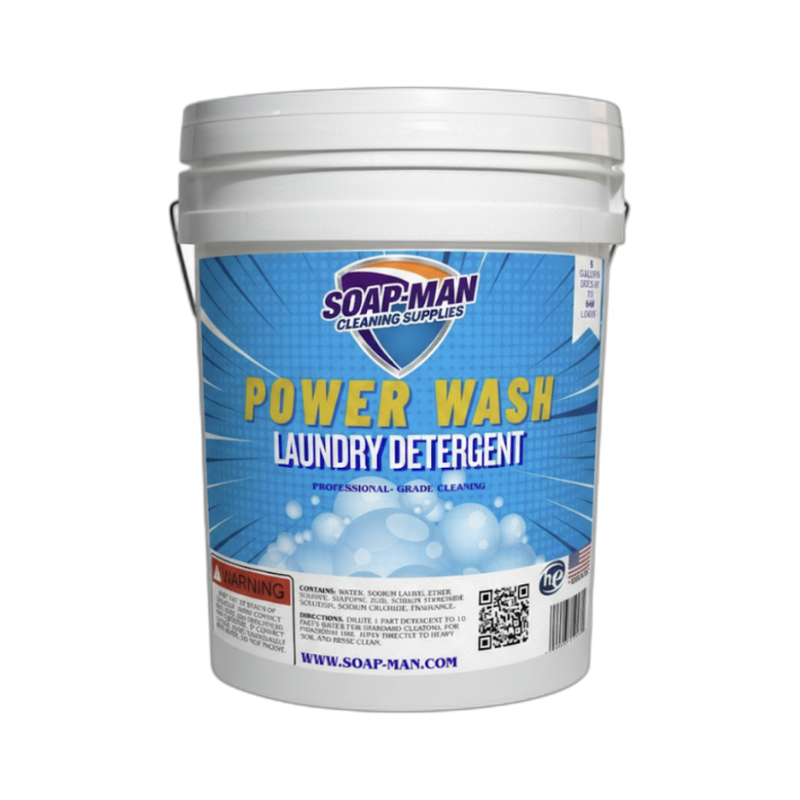
- Laundry detergent — Power Wash Laundry Detergent for the final wash.
- Old toothbrush — for working paste into fabric.
- Spray bottle
Step-by-Step: How to Remove Sweat Stains
Step 1: Pre-Treat With Vinegar
Mix equal parts white vinegar and warm water in a spray bottle. Saturate the stained area thoroughly — you want the fabric wet through to the other side, not just the surface. Let it soak for 15 to 20 minutes. The acetic acid in vinegar dissolves the aluminum compound deposits from antiperspirant that are the primary cause of the yellowing. This step is critical because without dissolving the aluminum first, no amount of bleaching will fully remove the discoloration — you would just be bleaching around the mineral deposits. After 20 minutes, do not rinse. Move directly to step two while the vinegar is still active.
Step 2: Apply the Stain-Breaking Paste
Mix two tablespoons of hydrogen peroxide, two tablespoons of baking soda, and one tablespoon of dish soap into a paste. Spread this paste directly onto the vinegar-soaked stain. Use the old toothbrush to work the paste into the fabric with gentle scrubbing motions. The hydrogen peroxide is an oxygen-based bleach that breaks the protein bonds causing the discoloration. The baking soda provides alkalinity that boosts the peroxide's effectiveness and adds gentle mechanical abrasion from its crystal structure. The dish soap emulsifies the body oils and sebum that are part of the stain matrix. Let the paste sit on the fabric for one hour. For severe stains that have been building up over many wears, extend to two hours.
Step 3: Wash With the Right Settings
After the paste has sat for the full treatment time, place the garment in the washing machine. Use the warmest water temperature that the fabric care label allows — heat activates the hydrogen peroxide for maximum bleaching action. Add your regular dose of Power Wash Laundry Detergent. For white shirts, adding half a cup of white vinegar to the rinse cycle provides an extra deodorizing and brightening pass. Do not use chlorine bleach in combination with the hydrogen peroxide treatment — mixing these chemicals produces irritating fumes and the chlorine can actually set protein-based stains permanently. The oxygen bleach approach is safer and more effective for this specific type of stain.
Step 4: Air-Dry and Inspect
Air-dry the garment after washing. Do not machine-dry until you have confirmed the stain is completely gone. Heat from the dryer permanently sets any remaining stain residue into the fabric, making it virtually impossible to remove in the future. Once the shirt is dry, inspect the underarm area under good lighting. If the stain has faded significantly but is still visible, repeat the paste treatment and wash cycle. Stubborn stains that have been heat-set over many dryer cycles may need three to four treatment rounds to fully remove. Each round lifts another layer of the embedded compound. Once the stain is completely gone, the garment is safe to machine-dry going forward.
Pro Tips
- Switch to aluminum-free deodorant. The aluminum compounds in antiperspirants are half the stain equation. Switching to a deodorant without aluminum (many natural brands and some mainstream brands now offer this) eliminates the chemical reaction that causes yellowing. You will still sweat, but the stains will be minimal and wash out easily.
- Treat before every wash, not after stains appear. Spraying the underarm area with the vinegar solution before every wash takes 30 seconds and prevents the aluminum-protein compound from building up in the first place. Prevention is dramatically easier than removal.
- Do not use chlorine bleach on sweat stains. This is the most common mistake. Chlorine bleach reacts with the proteins in sweat stains and turns them even more yellow. Oxygen-based bleach (hydrogen peroxide) is the correct choice for protein-based discoloration.
FAQ
Do sweat stains come out of colored clothes?
Yes, but test the hydrogen peroxide paste on a hidden area first. Peroxide can lighten some dyes. For colored clothing, use a lower concentration — one tablespoon peroxide instead of two, and limit the treatment time to 30 minutes. The vinegar pre-treatment is safe for all colors and handles the aluminum component regardless.
Why do my white shirts yellow even when I wash them after every wear?
Because standard laundry detergent does not break the aluminum-protein bond that causes the yellowing. The stain builds one microscopic layer per wear. The dryer then heat-sets each layer. After 10 to 20 wears, the cumulative layers become visible as a yellow mark. Vinegar pre-treatment before each wash dissolves the aluminum before it bonds to the fabric.
Can I remove old set-in sweat stains?
Yes, but it takes patience. Old stains that have been heat-set through many dryer cycles need multiple paste-and-wash rounds. Each round removes one layer of the accumulated compound. Soak the stain in straight white vinegar for one hour before the paste step for stubborn cases. Expect three to five treatment cycles for stains that have been building for months.
Do enzyme-based stain removers work on sweat stains?
Enzyme cleaners work well on the protein component of sweat stains (the body oil and dead skin cell part). However, they do not dissolve the aluminum mineral deposits from antiperspirant. For best results, use vinegar first to dissolve the aluminum, then apply an enzyme cleaner or the peroxide paste to handle the protein component. Using both approaches together attacks both halves of the stain chemistry.