
Why Spring Cleaning Still Matters
Spring cleaning isn't a relic from the days of coal-heated homes — it's practical necessity. Over winter, homes stay sealed up. Dust accumulates faster with less ventilation. Grease films build up in kitchens where cooking is more frequent. Windows stay closed, trapping allergens, pet dander, and stale air. By the time warmer weather arrives, your home has months of accumulated grime that your regular cleaning routine doesn't touch.
A proper spring clean takes a typical home a full weekend. That sounds like a lot, but the payoff is real: better air quality, fewer allergens, longer life for your appliances and surfaces, and the satisfaction of knowing every corner of your home is genuinely clean — not just surface-level tidy.
This guide gives you the complete playbook: what to clean, what order to do it in, what products to use, and the techniques that separate a professional-quality spring clean from a well-intentioned weekend of pushing dirt around.
What You'll Need
Stock up before you start. Running to the store mid-clean kills momentum.
- Multi-surface cleaner — Vibes Multi-Surface Cleaner handles 80% of surfaces in your home. Stock at least a gallon for a full spring clean — you'll go through more than you expect.
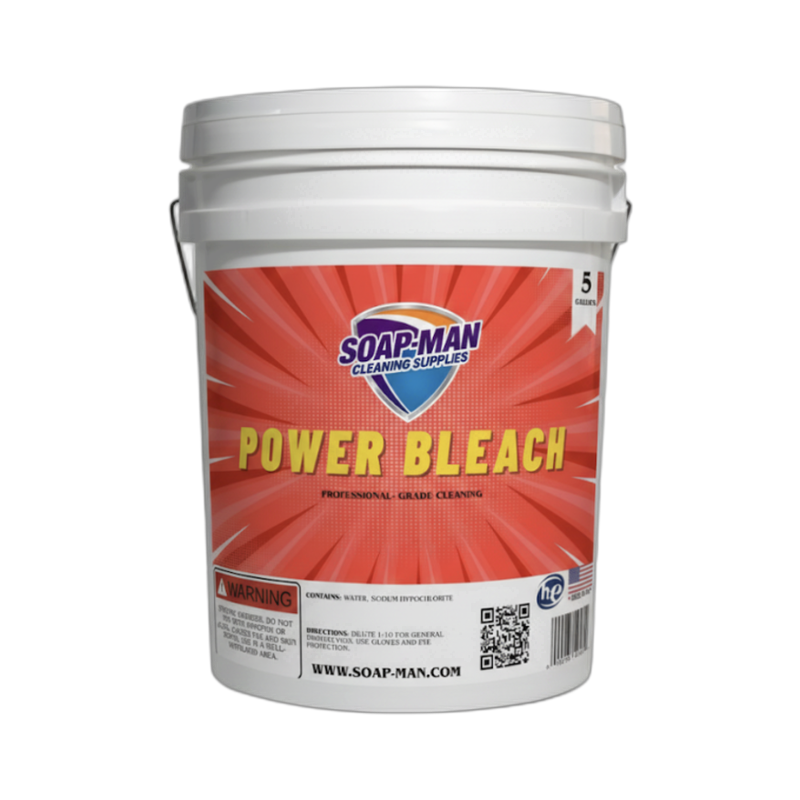
- Bleach — Power Bleach for bathroom disinfection, mold removal, and whitening. Dilute according to the label for each application.
- Glass cleaner — Streak Free Glass Cleaner for every window, mirror, and glass surface in the house. Spring cleaning means actually cleaning the windows — all of them.
- Kitchen degreaser — For the range hood, oven, and stovetop areas.
- Microfiber cloths (20+) — You'll go through more cloths than you expect. Having extras means you're always working with a clean cloth.
- Vacuum with all attachments — Crevice tool, upholstery brush, extension wand. You'll use every one of them.
- Mop system — Microfiber flat mops cover more area and clean more effectively than string mops.
- Bucket and sponges
- Scrub brushes — Grout brush, soft all-purpose brush, detail brush.
- Step stool
- Trash bags and donation boxes — Decluttering is part of the process.
- Rubber gloves
The Spring Cleaning Plan: Weekend Breakdown
Saturday Morning: Kitchen (3-4 Hours)
The kitchen is the biggest job. It gets the most daily use, generates the most grease and grime, and has the most individual surfaces to clean. Start here while energy is highest.
Start with appliances. Pull the refrigerator out from the wall. Vacuum the coils. Clean under and behind it. Empty the fridge, toss expired items, wash shelves and drawers, and wipe every interior surface with multi-surface cleaner. While shelves dry, clean the fridge exterior.
Run the oven's self-clean cycle if available (do this first — it takes hours). Or apply oven cleaner and let it work while you tackle other surfaces. Remove and soak range hood filters in hot water with degreaser. Clean the hood exterior and interior.
Clean the dishwasher: remove the bottom rack, clean the drain and filter, wipe the door gasket, run a vinegar cycle. Wipe down the microwave inside and out — heat a bowl of water with lemon for 3 minutes to loosen splatters first.
Cabinets and surfaces. Wipe all cabinet fronts with multi-surface cleaner. Open drawers and cabinets and wipe interiors. Toss expired food and spices. Reorganize as you go. Clean countertops, backsplash, and the areas behind appliances you've pulled forward.
Sink and fixtures. Scrub the sink basin, polish the faucet, clean the drain and garbage disposal. Flush the disposal with ice and lemon.
Floors last. Sweep or vacuum the entire floor including under cabinets. Mop with diluted multi-surface cleaner. Pay extra attention to corners and the areas in front of the stove and sink where grime builds up from foot traffic.
Saturday Afternoon: Bathrooms (2-3 Hours)
Treat everything with cleaning solution first. Spray the shower, tub, and toilet with appropriate cleaners — bleach solution for mold and disinfection, multi-surface cleaner for soap scum and general grime. Let everything sit while you handle other tasks. This dwell time is when the cleaning happens.
Remove and clean the exhaust fan cover. Vacuum dust from the fan mechanism. While the exhaust fan cover soaks, scrub the shower and tub — walls, floor, fixtures, and glass doors. Use a grout brush on tile grout. Remove the showerhead and soak in vinegar for mineral deposits.
Clean the toilet thoroughly — inside and out, including the base and the area behind it. Clean the vanity, sink, faucet, and mirror. Empty and wipe bathroom cabinets and drawers. Toss old or expired products.
Replace shower curtain liners. Wash fabric shower curtains. Mop the floor with diluted bleach solution for disinfection. Put out fresh towels.
Sunday Morning: Bedrooms (2-3 Hours)
With linens already in the wash from Saturday, beds are stripped and ready.
Mattress care. Vacuum each mattress thoroughly with the upholstery attachment. Sprinkle baking soda, let it sit 30 minutes, vacuum again. Flip or rotate mattresses. Inspect for stains and spot-treat if needed.
Closets. Pull everything out. Vacuum the floor. Wipe shelves. Sort clothing into keep, donate, and toss piles. Reorganize — this is the one time a year most people address closet chaos.
Furniture and surfaces. Pull furniture away from walls. Vacuum behind and under everything. Dust all surfaces — tops, sides, undersides. Wipe nightstands, dressers, and headboards with multi-surface cleaner.
Windows. Clean bedroom windows inside and out. Vacuum or wipe blinds — pull each slat individually for a thorough job. Wash curtains if machine-washable.
Floor. Vacuum thoroughly, including under the bed and in closet corners. For hard floors, follow with mopping.
Make beds with fresh linens. The combination of a clean mattress, laundered sheets, and dust-free bedroom dramatically improves sleep quality.
Sunday Afternoon: Living Areas and Whole-House Tasks (3-4 Hours)
Living room and family areas. Remove couch cushions and vacuum underneath. Vacuum all upholstered furniture. Spot-treat stains. Dust all surfaces, shelves, and decorative items. Clean electronics (dry microfiber only on screens). Vacuum lampshades. Clean under and behind furniture.
Whole-house window cleaning. This is the task that makes the biggest visible difference. Clean every window inside and out with Streak Free Glass Cleaner. Clean window tracks with a vacuum and damp cloth — tracks accumulate dead insects, dust, and debris over winter.
Baseboards and trim throughout the house. Walk through every room and wipe all baseboards, door frames, and window trim. Vacuum first to remove loose dust, then wipe with a damp microfiber cloth. This takes about 30 minutes for a typical home and makes every room look noticeably cleaner.
Light fixtures and ceiling fans. Dust or wash every light fixture and ceiling fan in the house. For glass fixtures, remove shades and wash them in warm, soapy water. For ceiling fans, use the pillowcase method — slip a pillowcase over each blade and pull to trap dust inside.
Air vents and returns. Remove vent covers and wash them. Vacuum inside the duct opening as far as you can reach. Dusty vents blow dust back into your freshly cleaned rooms, so this step protects your work.
Entry areas. Vacuum or mop the entryway. Clean the front door inside and out. Wipe the doorknob, mail slot, and light switch. Shake out or replace door mats.
The Spring Cleaning Tasks Most People Forget
Washing Machine
The machine that cleans your clothes needs cleaning too. Run an empty hot cycle with two cups of white vinegar to remove buildup and odor. Wipe the door gasket (front-loaders) or the rim (top-loaders) where mold and residue accumulate. Leave the door open between uses to dry out and prevent mold.
Dryer Vent
Pull the dryer out and disconnect the vent hose. Vacuum lint from the hose, the dryer's vent connection, and the wall duct. Clogged dryer vents are a leading cause of house fires. This 15-minute task could save your home.
Trash Cans
Take every trash can outside. Spray the inside and outside with multi-surface cleaner. Scrub, rinse with a hose, and let them dry in the sun. Indoor trash cans develop odors that linger even with fresh bags.
Remote Controls, Phones, and Keyboards
These are the most-touched, least-cleaned items in most homes. Wipe them with a slightly damp microfiber cloth and allow to air dry. For keyboards, turn them upside down and shake out debris first.
Pillows
Most bed pillows are machine-washable. Check the care label and wash them — they accumulate sweat, dust mites, and dead skin cells that change their weight significantly over a year. Dry thoroughly with dryer balls to restore loft.
Pro Tips
- Create a playlist or podcast queue before starting. A full spring clean takes 10-14 hours. Entertainment makes the difference between a satisfying project and a miserable chore.
- Use the "spray and walk away" technique. Apply cleaning solutions to multiple surfaces, then move to a different task while they sit. Come back to wipe. Dwell time does more cleaning than elbow grease.
- Replace your vacuum bag or clean the filter before starting. A full bag or clogged filter cuts suction power dramatically. You want maximum cleaning power for the biggest cleaning job of the year.
- Clean your cleaning tools first. Wash microfiber cloths. Clean mop heads. Empty and rinse spray bottles. Starting with clean tools means you're actually cleaning surfaces, not redistributing old grime.
- Take before and after photos. Seriously. The "before" photo will motivate you through the hard parts, and the "after" will make you feel like you accomplished something significant — because you did.
- Reward yourself. Plan something enjoyable for Sunday evening. A clean house is its own reward, but dinner out (or delivery in) after a weekend of hard work is well-deserved.
Common Mistakes
Trying to Do Everything in One Day
A rushed spring clean means missed spots, fatigue-driven shortcuts, and a result that doesn't look much different from your regular cleaning. Spread it over a weekend. Saturday for kitchen and bathrooms. Sunday for bedrooms, living areas, and whole-house tasks. Two thorough days beat one frantic one.
Not Decluttering First
Cleaning around clutter doubles your work. Before you spray a single surface, walk through the house with trash bags and donation boxes. Remove what doesn't belong. Then clean the cleared surfaces. The decluttering itself makes your home feel significantly cleaner even before cleaning products come out.
Buying Specialty Products for Every Surface
You don't need 15 different cleaners. A quality multi-surface cleaner, a degreaser for the kitchen, bleach for the bathrooms, and a glass cleaner covers everything. Specialty products add cost and complexity without meaningfully better results for spring cleaning purposes.
Forgetting to Clean Cleaning Tools After
After the spring clean, wash all microfiber cloths on hot (no fabric softener — it clogs microfiber). Clean mop heads. Rinse and dry buckets. Store everything properly. Dirty cleaning tools left in a closet breed bacteria and smell bad by the time you need them again.
Skipping the Window Tracks
People clean the glass but ignore the tracks, which are a graveyard of dead insects, dust, and debris. Vacuum tracks with the crevice tool, then wipe with a damp cloth. Opening windows for fresh spring air is much more pleasant when the tracks are clean.
Frequently Asked Questions
How long does a full spring clean take?
For a typical 3-bedroom, 2-bathroom home, expect 10-14 hours total. This breaks down to about 3-4 hours for the kitchen, 2-3 hours for all bathrooms, 2-3 hours for bedrooms, and 3-4 hours for living areas and whole-house tasks. Spreading it over a weekend (5-7 hours per day) is manageable without burnout.
What if I haven't deep cleaned in over a year?
Add 30-50% more time to the estimates above. Grease buildup, dust accumulation, and mold growth are exponentially worse after a year or more of neglect. You may also need stronger solutions — heavier degreaser dilution for the kitchen, longer bleach dwell times for the bathroom. The first one is the hardest; after that, seasonal deep cleans get progressively easier.
Should I hire professional cleaners for spring cleaning?
If you can afford it, professional cleaners are absolutely worth considering for the deep clean portions — appliance interiors, oven cleaning, window washing, and carpet cleaning. You can handle the decluttering and organizing yourself and bring in professionals for the heavy scrubbing. This is the approach many property managers use.
What should I spring clean first if I only have a few hours?
Focus on the tasks with the biggest impact: kitchen appliances (especially the oven and fridge), bathroom mold and buildup, and windows. These three areas make the most visible difference and address the most significant hygiene issues. Save baseboards, closets, and detail work for when you have more time.
How do I keep the house clean after spring cleaning?
Develop small daily habits that prevent buildup: wipe kitchen surfaces after cooking, squeegee the shower after each use, deal with spills immediately, run the vacuum twice a week in high-traffic areas, and do a 15-minute tidy-up before bed. These small investments dramatically reduce the effort needed for your next deep clean.