Baking Soda vs Vinegar: Which Should You Use?
Baking soda vs vinegar for washing fruit: which removes more pesticides and bacteria? Learn the research-backed best way to clean produce.
Quick Verdict
Research shows baking soda is superior for pesticide removal, while vinegar is better for killing bacteria. The ideal approach is a two-step process: quick vinegar rinse for bacteria, followed by a baking soda soak for pesticides. If you can only pick one, baking soda (1 teaspoon per 2 cups water, 12-minute soak) provides the most complete cleaning.
Side-by-Side Comparison
Baking Soda
Pros
- Research shows it removes more pesticide residue than any other method
- University of Massachusetts study found it removes up to 96% of pesticides
- Gentle alkaline solution does not affect fruit taste or texture
- Inexpensive and readily available in any kitchen
Cons
- Requires a 12-15 minute soak for maximum effectiveness
- Less effective at killing bacteria than vinegar
- Needs thorough rinsing after soaking
- Not ideal for delicate berries that absorb water quickly
Best For
Removing pesticide residue from apples, pears, peppers, grapes, and hard-skinned produce that can handle a 12-minute soak.
Vinegar
Pros
- Kills approximately 98% of surface bacteria on produce
- Works faster with just a 1-2 minute soak
- Better for delicate produce that cannot soak long
- Also helps extend produce freshness and shelf life
Cons
- Less effective at pesticide removal than baking soda
- Can affect taste if not rinsed thoroughly
- Vinegar smell may transfer to porous fruits
- Higher cost per use than baking soda
Best For
Quick washing of leafy greens, berries, and any produce where bacterial contamination is the primary concern.
When to Use Baking Soda
Use a baking soda soak for produce where pesticide removal is the priority: conventional (non-organic) apples, grapes, strawberries, peppers, and other items on the Environmental Working Group's Dirty Dozen list.
When to Use Vinegar
Use a vinegar wash for quick-rinsing of leafy greens, herbs, and delicate berries. A solution of 1 part vinegar to 3 parts water works well for a 1-2 minute soak followed by a water rinse.
Buying cleaning supplies for a business?
If this Baking Soda vs Vinegar decision affects a facility, kitchen, laundry room, vehicle fleet, or recurring cleaning program, Soap-Man can quote the right bulk supply mix instead of retail-size bottles.
Bulk supplies related to this guide
Turn the comparison into an order path with Soap-Man products available by case, bucket, and volume quote.
Degreasers & Multi-Surface Cleaners
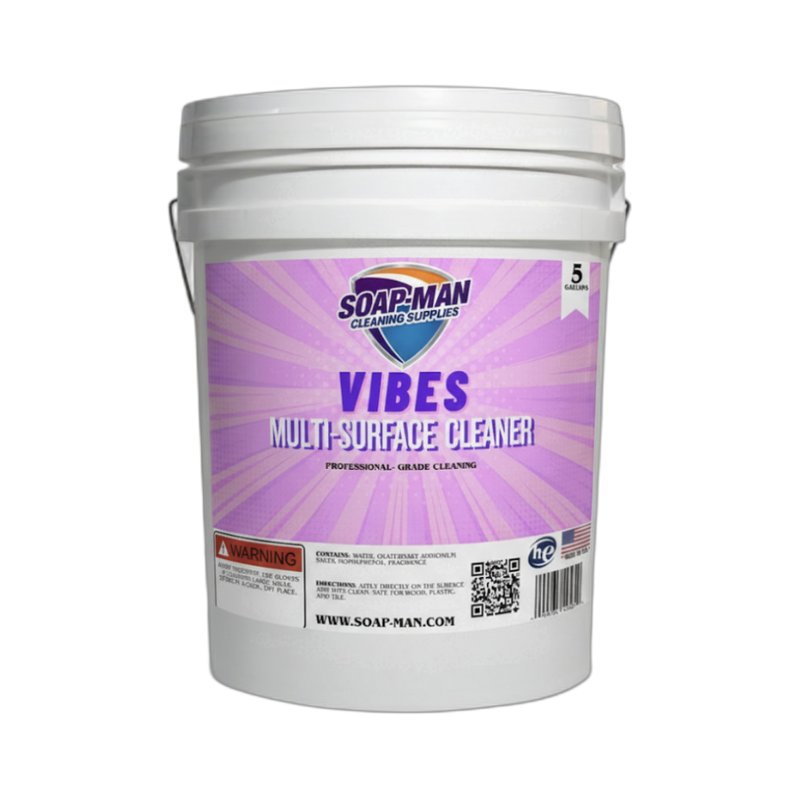
Vibes Multi-Surface Cleaner
Premium multi-surface cleaner for all commercial and household environments. Available in 1-gallon and 5-gallon sizes.
From $67.00/case or $58.00/bucket
View product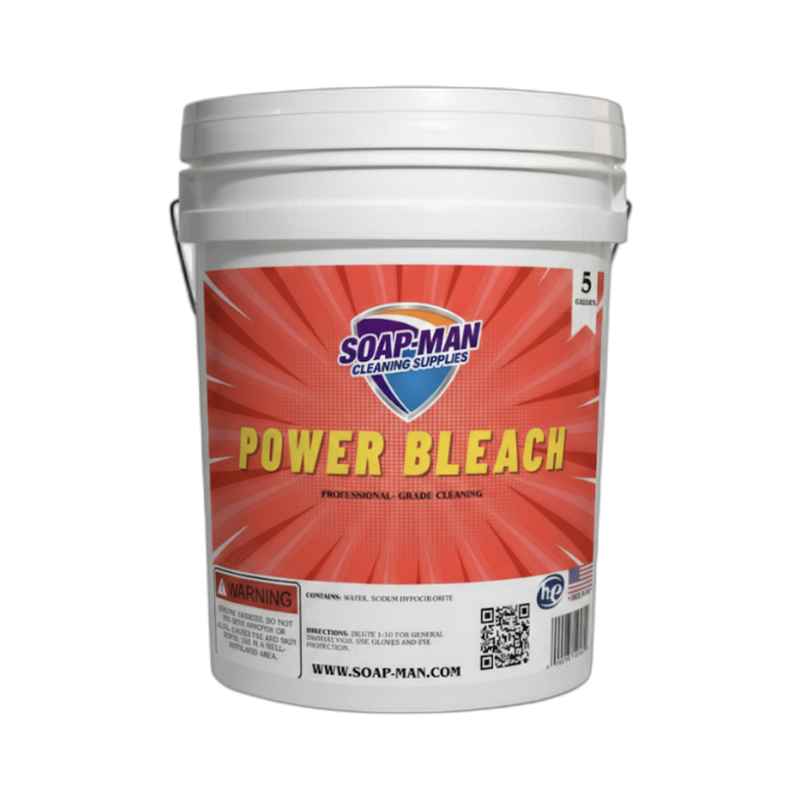
Bleach & Disinfectants
Power Bleach
Professional-grade bleach for commercial disinfecting and whitening. Available in 1-gallon and 5-gallon sizes.
From $68.00/case or $58.00/bucket
View productOur Verdict
Research shows baking soda is superior for pesticide removal, while vinegar is better for killing bacteria. The ideal approach is a two-step process: quick vinegar rinse for bacteria, followed by a baking soda soak for pesticides. If you can only pick one, baking soda (1 teaspoon per 2 cups water, 12-minute soak) provides the most complete cleaning.
Choose Baking Soda when: Removing pesticide residue from apples, pears, peppers, grapes, and hard-skinned produce that can handle a 12-minute soak.
Choose Vinegar when: Quick washing of leafy greens, berries, and any produce where bacterial contamination is the primary concern.
Frequently Asked Questions
Related Comparisons
Disinfectant vs Sanitizer
Disinfectant vs sanitizer: which kills more germs? Learn the key differences, when to use each, and which is better for your cleaning needs.
Read comparisonChemicals & SolutionsHydrogen Peroxide vs Rubbing Alcohol (Isopropyl)
Hydrogen peroxide vs rubbing alcohol: compare disinfecting power, surface safety, contact time, and the best cleaning uses for each solution.
Read comparisonChemicals & SolutionsBleach vs Vinegar (White Distilled)
Bleach vs vinegar for mold removal: which actually kills mold at the root? Learn the science behind each method and when to use them.
Read comparisonNeed cleaning supplies? Shop Soap-Man Products