Hydrogen Peroxide vs Rubbing Alcohol (Isopropyl): Which Should You Use?
Hydrogen peroxide vs rubbing alcohol: compare disinfecting power, surface safety, contact time, and the best cleaning uses for each solution.
Quick Verdict
Hydrogen peroxide is the better pick for organic stains, grout brightening, and low-odor bathroom touch-ups. Rubbing alcohol is the better pick when you need a fast-drying, residue-free wipe-down for glass, stainless steel, tools, adhesive residue, or approved electronics surfaces. For any job that requires a verified pathogen kill claim, use the EPA-registered product and contact time listed on the label.
Side-by-Side Comparison
Hydrogen Peroxide
Pros
- Breaks down into water and oxygen without a sticky residue
- Useful for organic stains, grout brightening, and light bathroom soil
- Less flammable than alcohol-based cleaners
- Can support disinfection when the product label and contact time are followed
Cons
- Can lighten fabrics, carpet dye, and some colored surfaces
- Loses strength when exposed to light or stored after opening
- Needs longer wet contact than alcohol for many surface jobs
- Not a substitute for an EPA-registered commercial disinfectant when a specific kill claim is required
Best For
Organic stain removal, bathroom touch-ups, grout, light-colored laundry spot treatment, and surfaces where low odor matters.
Rubbing Alcohol (Isopropyl)
Pros
- Evaporates quickly and leaves little to no residue
- Strong choice for glass, stainless steel, small tools, and many electronics-safe wipe-downs
- Works well on ink, adhesive residue, and oily fingerprints
- CDC guidance recognizes 60-90% alcohol as the effective disinfecting range for many microbes
Cons
- Highly flammable and must be kept away from heat, sparks, and pilot lights
- Can dry or damage rubber, some plastics, shellac, finished wood, and painted surfaces
- Does not destroy bacterial spores and is not a sterilant
- Strong fumes require good ventilation
Best For
Fast-drying wipe-downs on hard non-porous surfaces, glass, stainless steel, tools, adhesive residue, and small electronics when the device maker allows it.
When to Use Hydrogen Peroxide
Use hydrogen peroxide on light-colored laundry stains, grout discoloration, bathroom surfaces, and food-prep-adjacent cleaning where you want low odor and no alcohol flammability risk. Keep it in the original dark bottle, test colored materials first, and keep the surface wet for the label's required contact time if you are disinfecting.
When to Use Rubbing Alcohol (Isopropyl)
Use rubbing alcohol when fast evaporation matters: mirrors, glass, stainless steel, small tools, sticky residue, marker stains, and electronics only when the manufacturer allows alcohol cleaning. Use 70% isopropyl alcohol for disinfecting-style wipe-downs, ventilate the area, and keep it away from flames.
Best Choice by Cleaning Use Case
| Use Case | Best Choice | Why |
|---|---|---|
| Ink, marker, adhesive residue, and oily fingerprints | Rubbing alcohol | Alcohol dissolves many inks, adhesives, and oils, then evaporates quickly without leaving a wet surface behind. |
| Blood, organic stains, grout stains, and light-colored laundry spots | Hydrogen peroxide | Peroxide's oxygen action helps lift organic discoloration, but it can lighten dyes, so test first. |
| Glass, stainless steel, tools, and electronics-approved surfaces | Rubbing alcohol | Fast drying and low residue make alcohol easier to control on small hard surfaces. |
| Bathroom touch-ups, grout, and low-odor household cleaning | Hydrogen peroxide | Peroxide avoids alcohol's flammability risk and breaks down cleanly, but still needs label contact time for disinfecting. |
| Commercial disinfection, illness cleanup, healthcare, or food service compliance | Neither as a generic substitute | Use an EPA-registered disinfectant with the exact surface, pathogen, dilution, and contact time required by the label. |
Disinfecting Claims and Safety
- Do not mix hydrogen peroxide and rubbing alcohol. Use one product at a time, rinse or let the surface dry, and follow the label.
- Alcohol is flammable. Do not use it near heat, sparks, open flames, pilot lights, or energized equipment.
- Hydrogen peroxide can bleach dyes and finishes. Spot-test fabric, carpet, painted surfaces, and stone before using it broadly.
- Disinfecting only works when the surface stays wet for the full contact time on the product label.
- Do not use either product as routine wound care advice; this page is about surface cleaning.
Need the right disinfectant for a facility?
Soap-Man can help match the job to the right bulk supply, from everyday multi-surface cleaning to bleach and disinfectant workflows that need label-backed contact times.
Bulk supplies related to this guide
Turn the comparison into an order path with Soap-Man products available by case, bucket, and volume quote.
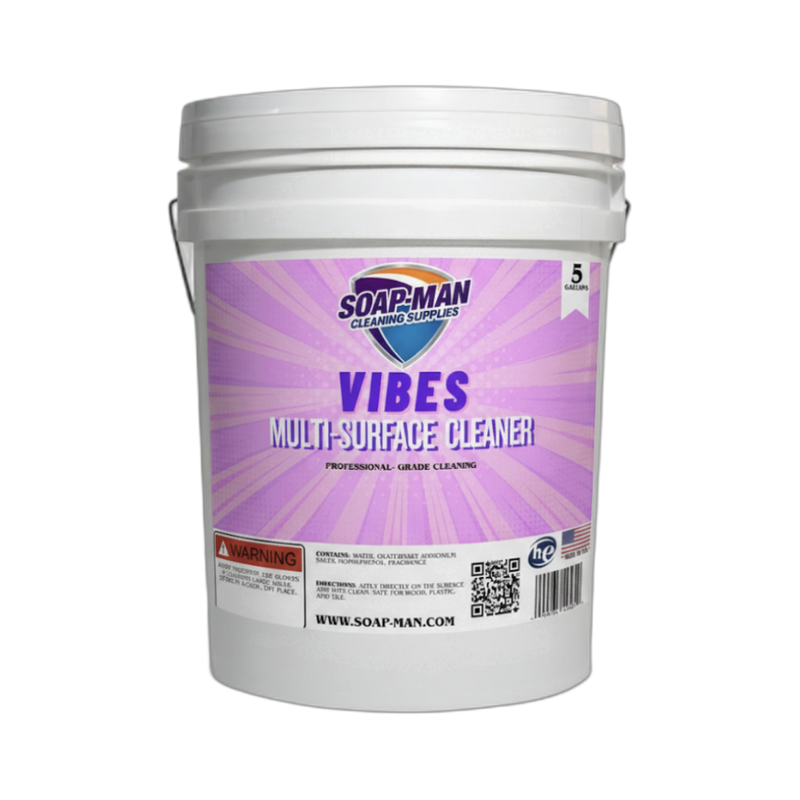
Degreasers & Multi-Surface Cleaners
Vibes Multi-Surface Cleaner
Premium multi-surface cleaner for all commercial and household environments. Available in 1-gallon and 5-gallon sizes.
From $67.00/case or $58.00/bucket
View product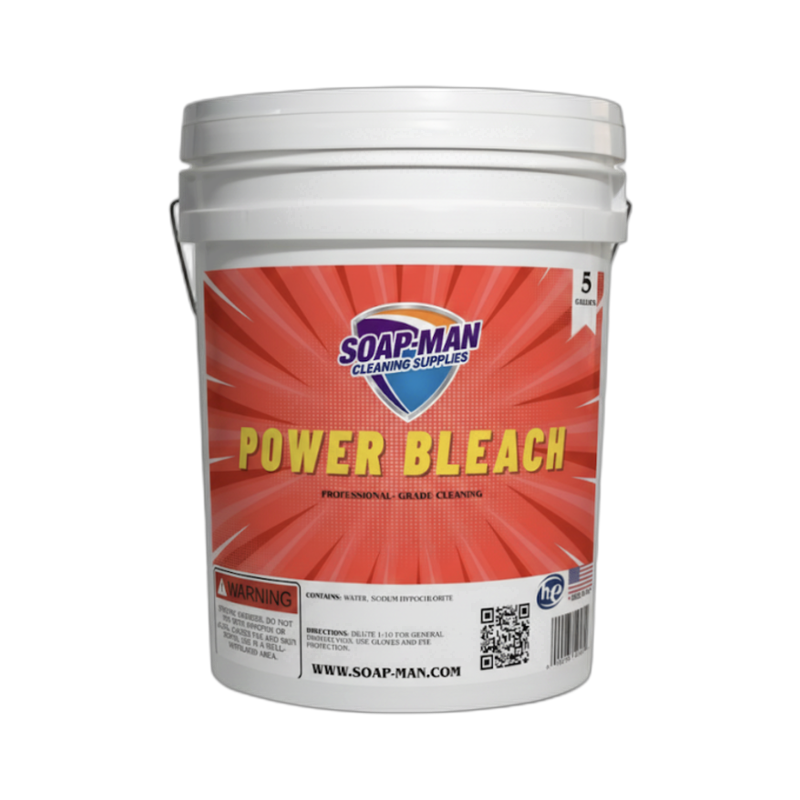
Bleach & Disinfectants
Power Bleach
Professional-grade bleach for commercial disinfecting and whitening. Available in 1-gallon and 5-gallon sizes.
From $68.00/case or $58.00/bucket
View product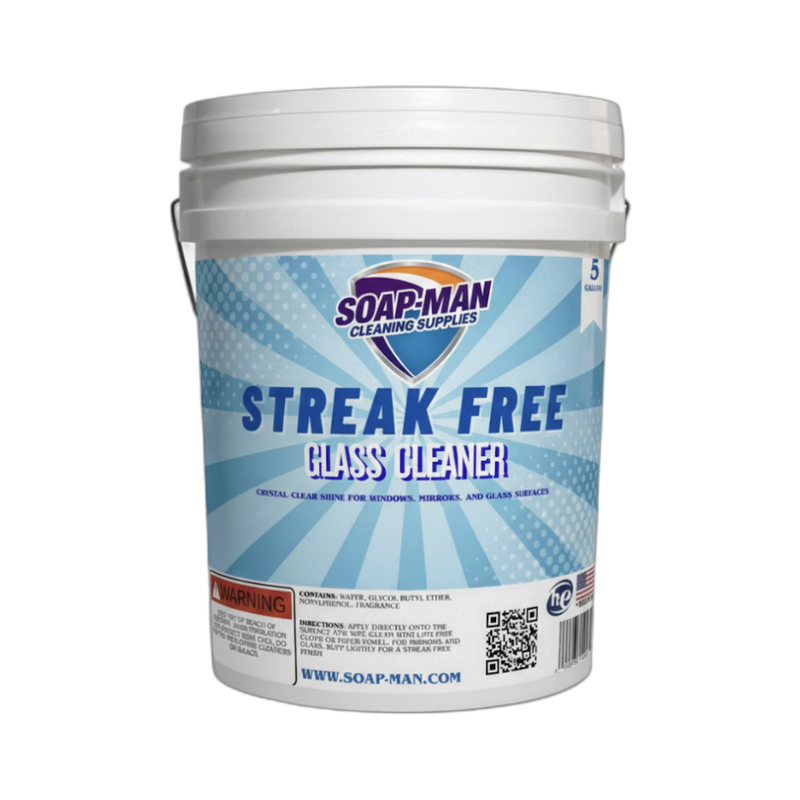
Specialty Cleaners
Streak Free Glass Cleaner
Professional streak-free glass and mirror cleaner for commercial use. Available in 1-gallon and 5-gallon sizes.
From $64.00/case or $56.00/bucket
View productOur Verdict
Hydrogen peroxide is the better pick for organic stains, grout brightening, and low-odor bathroom touch-ups. Rubbing alcohol is the better pick when you need a fast-drying, residue-free wipe-down for glass, stainless steel, tools, adhesive residue, or approved electronics surfaces. For any job that requires a verified pathogen kill claim, use the EPA-registered product and contact time listed on the label.
Choose Hydrogen Peroxide when: Organic stain removal, bathroom touch-ups, grout, light-colored laundry spot treatment, and surfaces where low odor matters.
Choose Rubbing Alcohol (Isopropyl) when: Fast-drying wipe-downs on hard non-porous surfaces, glass, stainless steel, tools, adhesive residue, and small electronics when the device maker allows it.
Related Disinfectant and Supply Guides
Disinfectant vs Sanitizer
See when a product needs a true disinfectant claim versus a sanitizer claim for kitchens, restrooms, and daily maintenance.
Open guideHydrogen Peroxide vs Bleach
Compare peroxide against bleach for whitening, odor, surface compatibility, and commercial disinfecting strength.
Open guideVibes Multi-Surface Cleaner
Use a purpose-built multi-surface cleaner for routine soil removal before disinfecting high-touch surfaces.
Open guidePower Bleach
Review Soap-Man's bulk bleach option for whitening and sanitizing workflows where the label fits the job.
Open guideFrequently Asked Questions
Related Comparisons
Disinfectant vs Sanitizer
Disinfectant vs sanitizer: which kills more germs? Learn the key differences, when to use each, and which is better for your cleaning needs.
Read comparisonChemicals & SolutionsBleach vs Vinegar (White Distilled)
Bleach vs vinegar for mold removal: which actually kills mold at the root? Learn the science behind each method and when to use them.
Read comparisonChemicals & SolutionsBorax (Sodium Borate) vs Baking Soda (Sodium Bicarbonate)
Borax vs baking soda: which cleaning booster is better? Compare uses, safety, effectiveness, and when to choose each for cleaning.
Read comparisonNeed cleaning supplies? Shop Soap-Man Products