Bleach vs Vinegar: Which Should You Use?
Bleach vs vinegar for killing mold: the surprising truth about which actually works. Learn the science and best methods for mold removal.
Quick Verdict
Counterintuitively, vinegar is the better mold killer for most household surfaces because it penetrates porous materials to kill roots. Bleach only bleaches the surface mold white on porous materials while the roots survive. For serious mold problems exceeding 10 square feet, hire a professional remediation service.
Side-by-Side Comparison
Bleach
Pros
- Instantly removes visible mold stains and discoloration
- Highly effective on non-porous surfaces like tile and glass
- Powerful deodorizing effect eliminates musty mold smell
- Inexpensive and available at any store
Cons
- Cannot penetrate porous materials to kill mold roots
- Adds moisture that can actually promote regrowth on porous surfaces
- Toxic fumes are dangerous in enclosed bathrooms
- Creates hazardous gas if mixed with other cleaners
Best For
Non-porous surfaces like tile, glass, porcelain, and sealed countertops where cosmetic mold removal is the goal.
Vinegar
Pros
- Penetrates porous surfaces to kill mold at the root
- Non-toxic and safe to use in enclosed spaces
- Kills approximately 82% of known mold species
- Environmentally safe and inexpensive
Cons
- Does not remove mold stains or visible discoloration
- Strong lingering odor during treatment
- Slower visible results than bleach
- Ineffective against certain aggressive mold species
Best For
Porous surfaces like wood, drywall, grout, and caulk where killing mold roots is more important than cosmetic removal.
When to Use Bleach
Use bleach only on non-porous surfaces: ceramic tile, glass shower doors, porcelain fixtures, and sealed stone. For these surfaces, a diluted bleach solution (1 cup per gallon) effectively kills surface mold and removes stains simultaneously.
When to Use Vinegar
Spray undiluted white vinegar directly on mold growing on drywall, wood, grout, caulk, and other porous materials. Let it sit for at least 1 hour before scrubbing. Repeat weekly until mold stops returning, which indicates the roots are dead.
Buying cleaning supplies for a business?
If this Bleach vs Vinegar decision affects a facility, kitchen, laundry room, vehicle fleet, or recurring cleaning program, Soap-Man can quote the right bulk supply mix instead of retail-size bottles.
Bulk supplies related to this guide
Turn the comparison into an order path with Soap-Man products available by case, bucket, and volume quote.
Bleach & Disinfectants
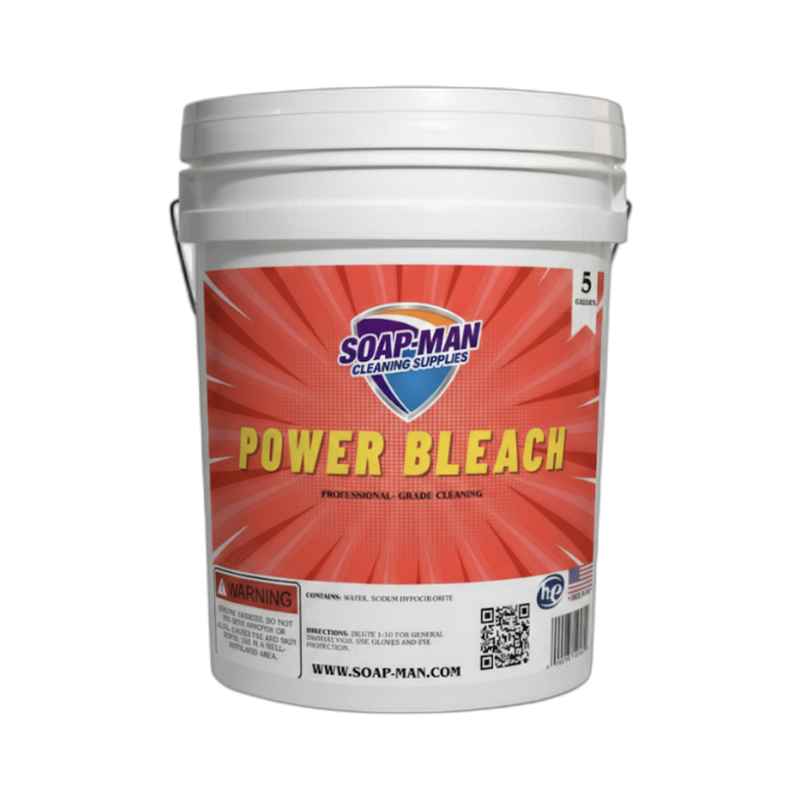
Power Bleach
Professional-grade bleach for commercial disinfecting and whitening. Available in 1-gallon and 5-gallon sizes.
From $68.00/case or $58.00/bucket
View product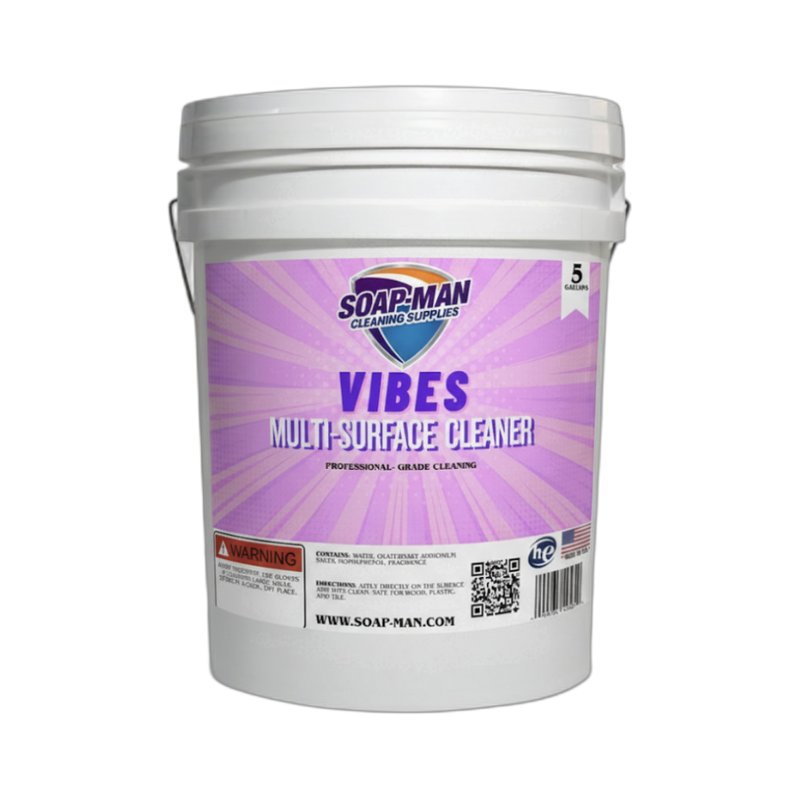
Degreasers & Multi-Surface Cleaners
Vibes Multi-Surface Cleaner
Premium multi-surface cleaner for all commercial and household environments. Available in 1-gallon and 5-gallon sizes.
From $67.00/case or $58.00/bucket
View productOur Verdict
Counterintuitively, vinegar is the better mold killer for most household surfaces because it penetrates porous materials to kill roots. Bleach only bleaches the surface mold white on porous materials while the roots survive. For serious mold problems exceeding 10 square feet, hire a professional remediation service.
Choose Bleach when: Non-porous surfaces like tile, glass, porcelain, and sealed countertops where cosmetic mold removal is the goal.
Choose Vinegar when: Porous surfaces like wood, drywall, grout, and caulk where killing mold roots is more important than cosmetic removal.
Frequently Asked Questions
Related Comparisons
Disinfectant vs Sanitizer
Disinfectant vs sanitizer: which kills more germs? Learn the key differences, when to use each, and which is better for your cleaning needs.
Read comparisonChemicals & SolutionsHydrogen Peroxide vs Rubbing Alcohol (Isopropyl)
Hydrogen peroxide vs rubbing alcohol: compare disinfecting power, surface safety, contact time, and the best cleaning uses for each solution.
Read comparisonChemicals & SolutionsBleach vs Vinegar (White Distilled)
Bleach vs vinegar for mold removal: which actually kills mold at the root? Learn the science behind each method and when to use them.
Read comparisonNeed cleaning supplies? Shop Soap-Man Products