Borax (Sodium Borate) vs Baking Soda (Sodium Bicarbonate): Which Should You Use?
Borax vs baking soda: which cleaning booster is better? Compare uses, safety, effectiveness, and when to choose each for cleaning.
Quick Verdict
Baking soda is the safer everyday cleaner for kitchens, food areas, and homes with children or pets. Borax is the stronger choice for laundry boosting, mold killing, and heavy-duty stain removal in non-food areas. Use baking soda where safety matters most and borax where power matters most.
Side-by-Side Comparison
Borax (Sodium Borate)
Pros
- Stronger alkaline pH (9.3) for tougher cleaning jobs
- Effective laundry booster that softens hard water
- Kills mold, mildew, and some insects on contact
- Excellent for removing rust and hard water stains
Cons
- Toxic if ingested and should be kept away from children and pets
- Can irritate skin with prolonged contact
- Not food-safe and cannot be used in food prep areas
- Restricted or banned in some countries due to toxicity concerns
Best For
Laundry boosting, toilet bowl cleaning, mold removal, hard water stain treatment, and heavy-duty cleaning away from food areas.
Baking Soda (Sodium Bicarbonate)
Pros
- Non-toxic and food-safe for kitchen cleaning
- Gentle abrasive that cleans without scratching
- Excellent natural deodorizer for fridges and drains
- Safe around children and pets when used for cleaning
Cons
- Milder pH (8.3) means less cleaning power on tough stains
- Can leave a white residue if not rinsed thoroughly
- Not effective against mold at the root level
- Dissolves slowly in cold water
Best For
Kitchen cleaning, deodorizing, gentle scrubbing of sinks and tubs, and any cleaning task where safety around food and children is paramount.
When to Use Borax (Sodium Borate)
Choose borax for laundry pre-treatment, toilet cleaning, hard water buildup in non-food areas, mold treatment on grout and caulk, and as a pest deterrent. Always wear gloves when handling borax and keep it stored safely away from children and pets.
When to Use Baking Soda (Sodium Bicarbonate)
Use baking soda for scrubbing kitchen sinks, deodorizing refrigerators and trash cans, cleaning ovens with a paste, freshening carpets before vacuuming, and any cleaning around food prep surfaces where toxicity is a concern.
Buying cleaning supplies for a business?
If this Borax (Sodium Borate) vs Baking Soda (Sodium Bicarbonate) decision affects a facility, kitchen, laundry room, vehicle fleet, or recurring cleaning program, Soap-Man can quote the right bulk supply mix instead of retail-size bottles.
Bulk supplies related to this guide
Turn the comparison into an order path with Soap-Man products available by case, bucket, and volume quote.
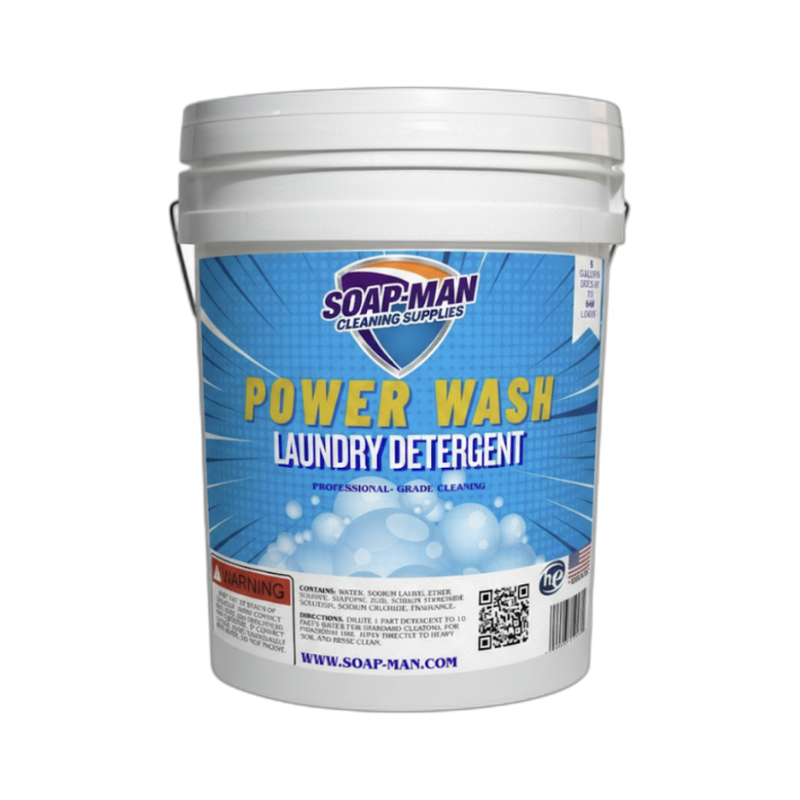
Laundry Detergents
Power Wash Laundry Detergent
Commercial-grade laundry detergent with industrial-strength cleaning power. Available in 1-gallon and 5-gallon sizes.
From $68.00/case or $59.00/bucket
View product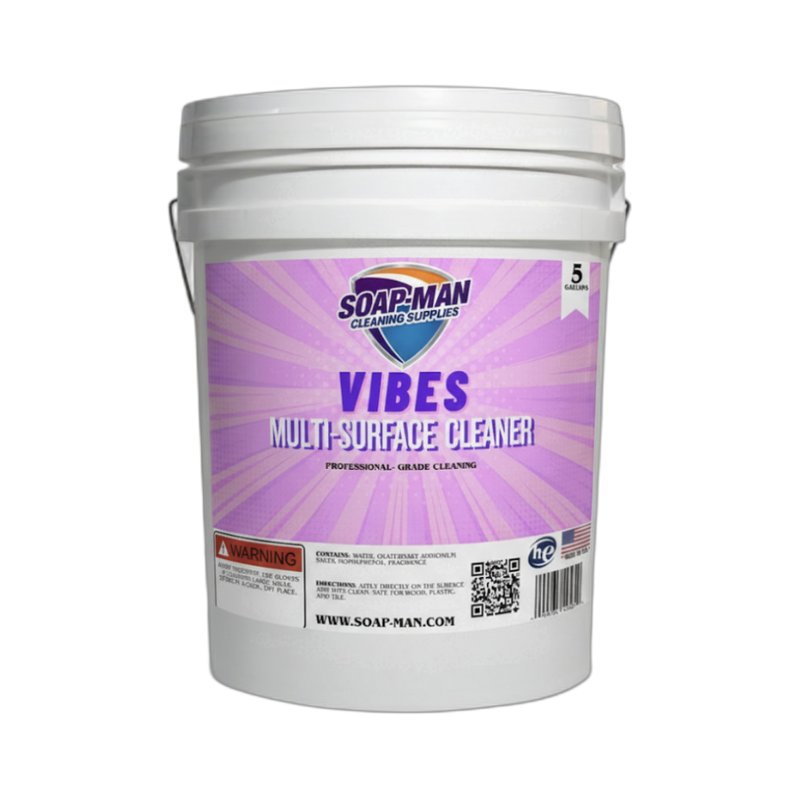
Degreasers & Multi-Surface Cleaners
Vibes Multi-Surface Cleaner
Premium multi-surface cleaner for all commercial and household environments. Available in 1-gallon and 5-gallon sizes.
From $67.00/case or $58.00/bucket
View product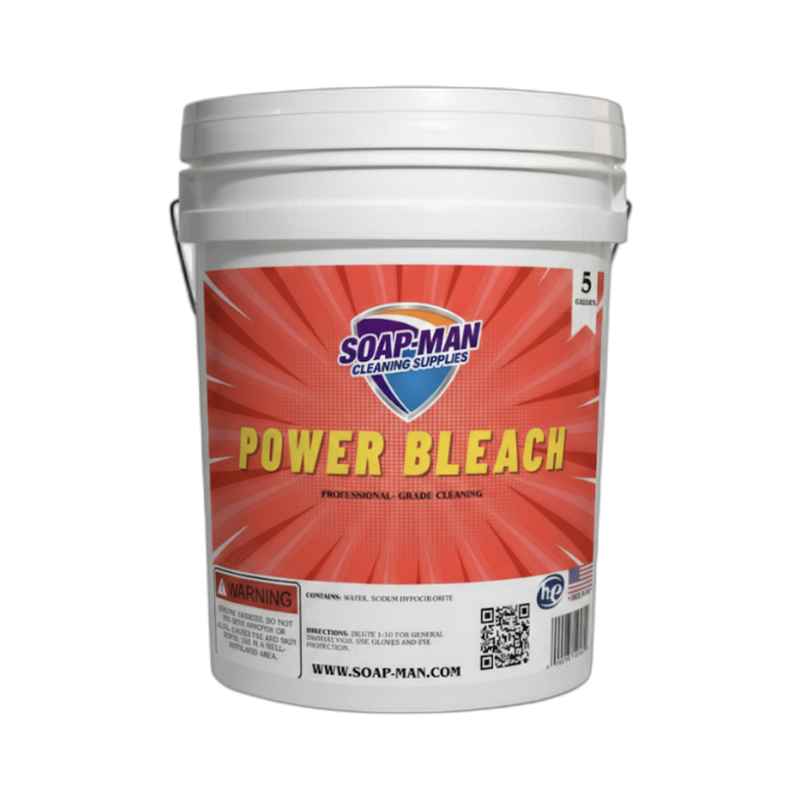
Bleach & Disinfectants
Power Bleach
Professional-grade bleach for commercial disinfecting and whitening. Available in 1-gallon and 5-gallon sizes.
From $68.00/case or $58.00/bucket
View productOur Verdict
Baking soda is the safer everyday cleaner for kitchens, food areas, and homes with children or pets. Borax is the stronger choice for laundry boosting, mold killing, and heavy-duty stain removal in non-food areas. Use baking soda where safety matters most and borax where power matters most.
Choose Borax (Sodium Borate) when: Laundry boosting, toilet bowl cleaning, mold removal, hard water stain treatment, and heavy-duty cleaning away from food areas.
Choose Baking Soda (Sodium Bicarbonate) when: Kitchen cleaning, deodorizing, gentle scrubbing of sinks and tubs, and any cleaning task where safety around food and children is paramount.
Frequently Asked Questions
Related Comparisons
Disinfectant vs Sanitizer
Disinfectant vs sanitizer: which kills more germs? Learn the key differences, when to use each, and which is better for your cleaning needs.
Read comparisonChemicals & SolutionsHydrogen Peroxide vs Rubbing Alcohol (Isopropyl)
Hydrogen peroxide vs rubbing alcohol: compare disinfecting power, surface safety, contact time, and the best cleaning uses for each solution.
Read comparisonChemicals & SolutionsBleach vs Vinegar (White Distilled)
Bleach vs vinegar for mold removal: which actually kills mold at the root? Learn the science behind each method and when to use them.
Read comparisonNeed cleaning supplies? Shop Soap-Man Products