Hydrogen Peroxide vs Rubbing Alcohol: Which Should You Use?
Hydrogen peroxide vs rubbing alcohol for plants: which helps your plants more? Compare pest control, root health, and safe application methods.
Quick Verdict
Hydrogen peroxide is better for soil and root health issues. Rubbing alcohol is better for above-ground pest control. They serve completely different purposes in plant care. Use hydrogen peroxide in the soil for root rot and overwatering. Use rubbing alcohol on leaves and stems for visible pest infestations.
Side-by-Side Comparison
Hydrogen Peroxide
Pros
- Adds oxygen to soil promoting healthy root growth
- Kills fungal infections including root rot pathogens
- Treats overwatered soil by aerating compacted roots
- Breaks down into water and oxygen with no harmful residue
Cons
- Can kill beneficial soil microorganisms at high concentrations
- Must be properly diluted (1 part 3% H2O2 to 4 parts water)
- Repeated use can disrupt soil ecosystem balance
- Not effective against all plant pests
Best For
Root rot treatment, soil oxygenation, fungal disease control, and recovering overwatered plants.
Rubbing Alcohol
Pros
- Kills soft-bodied pests like mealybugs, aphids, and scale on contact
- Evaporates quickly leaving no soil residue
- Effective for sterilizing pruning tools between plants
- Works as a spot treatment on individual pest infestations
Cons
- Can burn plant leaves if applied in direct sunlight
- Damages sensitive foliage and thin-leafed plants
- Must never be applied to soil as it kills roots
- Only works on direct contact with pests
Best For
Spot-treating visible pest infestations, sterilizing gardening tools, and cleaning plant leaves.
When to Use Hydrogen Peroxide
Use diluted hydrogen peroxide (1:4 ratio with water) to treat root rot, revive overwatered plants, and prevent fungal growth in soil. Water the plant with the solution, replacing one regular watering session. Also effective for sterilizing seed-starting soil.
When to Use Rubbing Alcohol
Dab rubbing alcohol directly onto mealybugs, scale insects, and aphids using a cotton swab. For larger infestations, mix 1 part 70% isopropyl alcohol with 3 parts water in a spray bottle and apply to affected foliage, avoiding direct sunlight.
Buying cleaning supplies for a business?
If this Hydrogen Peroxide vs Rubbing Alcohol decision affects a facility, kitchen, laundry room, vehicle fleet, or recurring cleaning program, Soap-Man can quote the right bulk supply mix instead of retail-size bottles.
Bulk supplies related to this guide
Turn the comparison into an order path with Soap-Man products available by case, bucket, and volume quote.
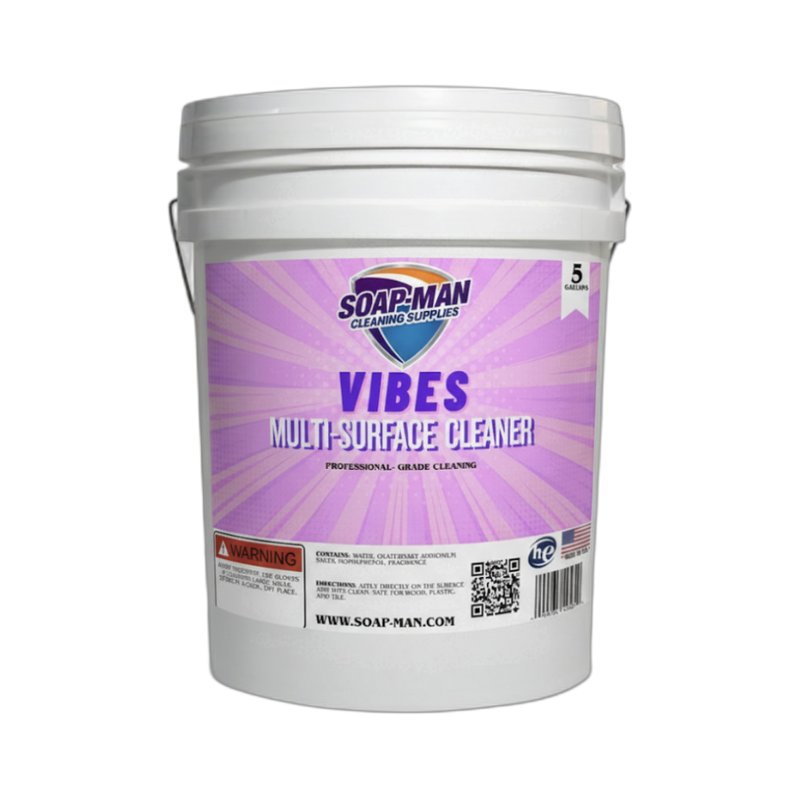
Degreasers & Multi-Surface Cleaners
Vibes Multi-Surface Cleaner
Premium multi-surface cleaner for all commercial and household environments. Available in 1-gallon and 5-gallon sizes.
From $67.00/case or $58.00/bucket
View product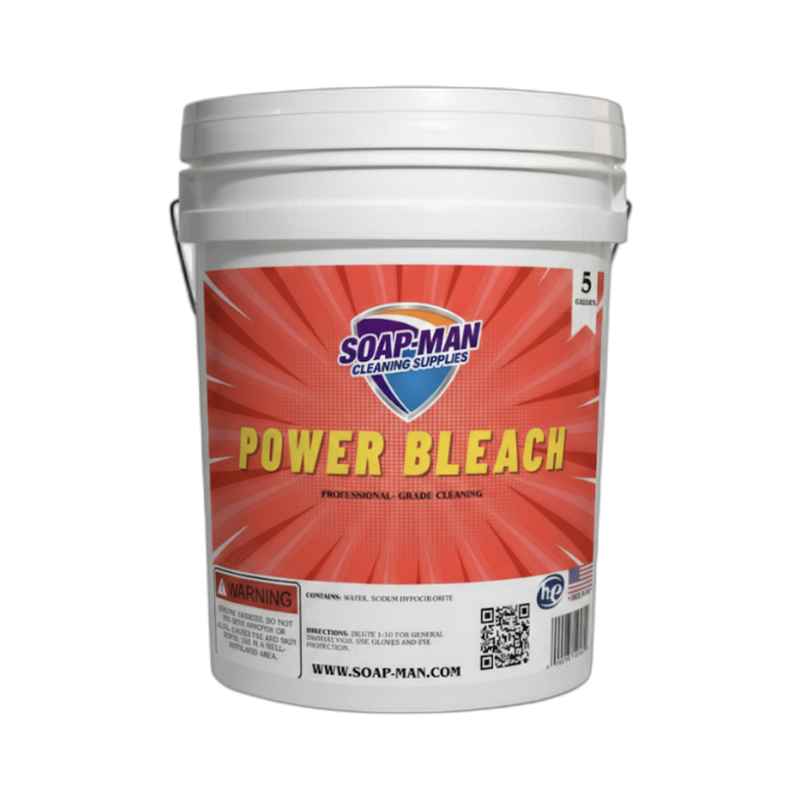
Bleach & Disinfectants
Power Bleach
Professional-grade bleach for commercial disinfecting and whitening. Available in 1-gallon and 5-gallon sizes.
From $68.00/case or $58.00/bucket
View productOur Verdict
Hydrogen peroxide is better for soil and root health issues. Rubbing alcohol is better for above-ground pest control. They serve completely different purposes in plant care. Use hydrogen peroxide in the soil for root rot and overwatering. Use rubbing alcohol on leaves and stems for visible pest infestations.
Choose Hydrogen Peroxide when: Root rot treatment, soil oxygenation, fungal disease control, and recovering overwatered plants.
Choose Rubbing Alcohol when: Spot-treating visible pest infestations, sterilizing gardening tools, and cleaning plant leaves.
Frequently Asked Questions
Related Comparisons
Disinfectant vs Sanitizer
Disinfectant vs sanitizer: which kills more germs? Learn the key differences, when to use each, and which is better for your cleaning needs.
Read comparisonChemicals & SolutionsHydrogen Peroxide vs Rubbing Alcohol (Isopropyl)
Hydrogen peroxide vs rubbing alcohol: compare disinfecting power, surface safety, contact time, and the best cleaning uses for each solution.
Read comparisonChemicals & SolutionsBleach vs Vinegar (White Distilled)
Bleach vs vinegar for mold removal: which actually kills mold at the root? Learn the science behind each method and when to use them.
Read comparisonNeed cleaning supplies? Shop Soap-Man Products