Lysol vs Clorox: Which Should You Use?
Lysol vs Clorox: which brand disinfects better? Compare sprays, wipes, and cleaning products from both brands to find your best match.
Quick Verdict
Both brands deliver effective disinfection backed by EPA registration. Lysol excels with softer surfaces, air disinfection, and pleasant scents for customer-facing environments. Clorox excels at heavy-duty kitchen and bathroom disinfection with stronger stain removal. For commercial-scale operations, bulk disinfectant concentrates offer far better per-unit economics than either retail brand.
Side-by-Side Comparison
Lysol
Pros
- Broader range of air and surface disinfecting products
- Lysol spray works on soft surfaces like couches and curtains
- Generally more pleasant scent formulations
- Specific products for different rooms and surface types
Cons
- Some products have longer required contact times
- Premium pricing on specialty products
- Wipes tend to be thinner than Clorox equivalents
- Less effective at cutting through heavy grease
Best For
Offices, bedrooms, living areas, and anywhere that benefits from air disinfection and pleasant scents. Also ideal for soft surface disinfecting.
Clorox
Pros
- Industry-standard bleach-based products for maximum disinfection
- Thicker wipe material for better scrubbing capability
- Strong stain removal and whitening across product lines
- Excellent for bathroom and kitchen heavy-duty cleaning
Cons
- Stronger chemical odors across most products
- Bleach-based products can discolor surfaces and fabrics
- Less variety in scent options
- Harsher on sensitive surfaces and skin
Best For
Bathrooms, kitchens, healthcare settings, and anywhere that requires maximum germ elimination and stain removal power.
When to Use Lysol
Choose Lysol products for offices, waiting rooms, hotel rooms, and living spaces where air disinfection and pleasant scents matter. Lysol spray is uniquely useful for disinfecting soft surfaces like upholstery that Clorox products cannot treat.
When to Use Clorox
Choose Clorox for bathrooms, commercial kitchens, healthcare facilities, and tough messes that need bleach-level stain removal and disinfection. Clorox products handle the dirtiest jobs better.
Buying cleaning supplies for a business?
If this Lysol vs Clorox decision affects a facility, kitchen, laundry room, vehicle fleet, or recurring cleaning program, Soap-Man can quote the right bulk supply mix instead of retail-size bottles.
Bulk supplies related to this guide
Turn the comparison into an order path with Soap-Man products available by case, bucket, and volume quote.
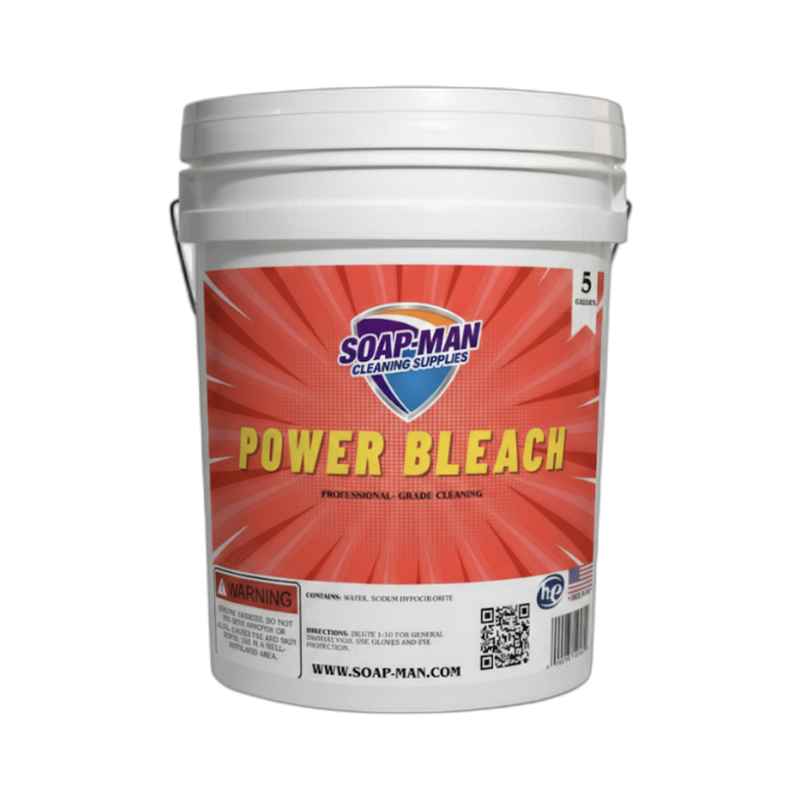
Bleach & Disinfectants
Power Bleach
Professional-grade bleach for commercial disinfecting and whitening. Available in 1-gallon and 5-gallon sizes.
From $68.00/case or $58.00/bucket
View product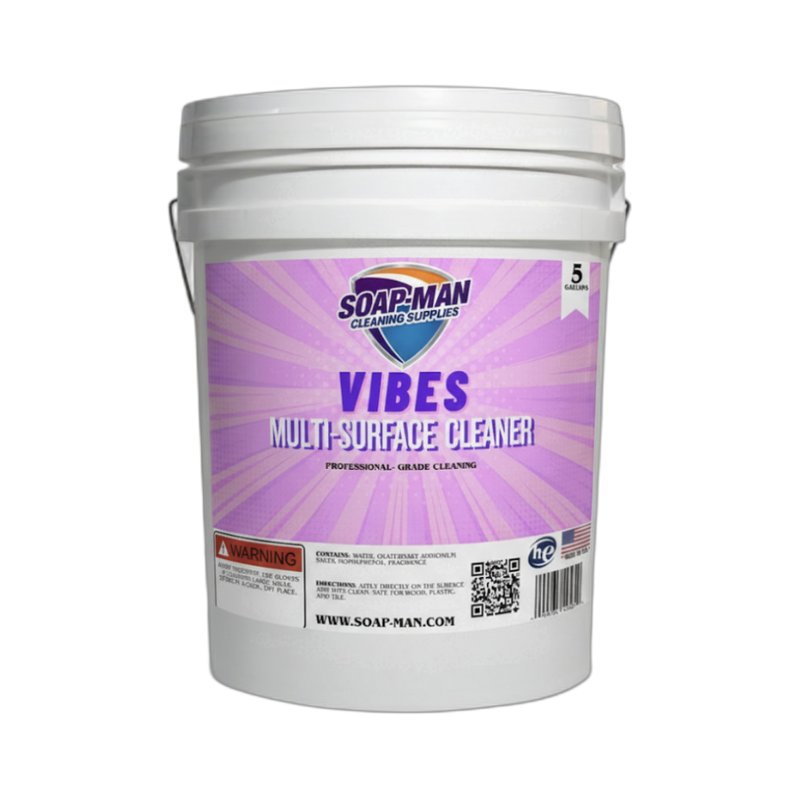
Degreasers & Multi-Surface Cleaners
Vibes Multi-Surface Cleaner
Premium multi-surface cleaner for all commercial and household environments. Available in 1-gallon and 5-gallon sizes.
From $67.00/case or $58.00/bucket
View productOur Verdict
Both brands deliver effective disinfection backed by EPA registration. Lysol excels with softer surfaces, air disinfection, and pleasant scents for customer-facing environments. Clorox excels at heavy-duty kitchen and bathroom disinfection with stronger stain removal. For commercial-scale operations, bulk disinfectant concentrates offer far better per-unit economics than either retail brand.
Choose Lysol when: Offices, bedrooms, living areas, and anywhere that benefits from air disinfection and pleasant scents. Also ideal for soft surface disinfecting.
Choose Clorox when: Bathrooms, kitchens, healthcare settings, and anywhere that requires maximum germ elimination and stain removal power.
Frequently Asked Questions
Related Comparisons
Disinfectant vs Sanitizer
Disinfectant vs sanitizer: which kills more germs? Learn the key differences, when to use each, and which is better for your cleaning needs.
Read comparisonChemicals & SolutionsHydrogen Peroxide vs Rubbing Alcohol (Isopropyl)
Hydrogen peroxide vs rubbing alcohol: compare disinfecting power, surface safety, contact time, and the best cleaning uses for each solution.
Read comparisonChemicals & SolutionsBleach vs Vinegar (White Distilled)
Bleach vs vinegar for mold removal: which actually kills mold at the root? Learn the science behind each method and when to use them.
Read comparisonNeed cleaning supplies? Shop Soap-Man Products