Lysol Disinfecting Wipes vs Clorox Disinfecting Wipes: Which Should You Use?
Lysol wipes vs Clorox wipes: compare disinfecting use cases, contact-time safety, scent, wipe durability, and bulk alternatives for commercial cleaning.
Quick Verdict
Both are EPA-registered and kill 99.9% of germs. Clorox wipes have a slight edge for tougher messes thanks to their thicker material and better grease-cutting. Lysol wipes are better for light-duty disinfecting where a pleasant scent matters. For commercial-scale cleaning, bulk disinfectant spray with reusable microfiber cloths is far more cost-effective than either wipe brand.
Side-by-Side Comparison
Lysol Disinfecting Wipes
Pros
- Kills 99.9% of viruses and bacteria including cold and flu
- Softer cloth texture is gentler on delicate surfaces
- Wide range of pleasant scent options
- Effective on most hard non-porous surfaces
Cons
- Slightly longer contact time than Clorox (2-3 minutes)
- Wipes can dry out faster once the canister is opened
- Not as effective at removing tough stains
- Some formulas leave a noticeable residue
Best For
Office desks, phones, tablets, light-duty disinfecting, and environments where pleasant scent matters.
Clorox Disinfecting Wipes
Pros
- Bleach-free formula that still kills 99.9% of germs
- Thicker, more durable wipe material handles scrubbing
- Removes common allergens from hard surfaces
- Faster action on grease and tough residue
Cons
- Stronger chemical smell than Lysol wipes
- Can discolor certain surfaces if left too long
- Fewer scent variety options compared to Lysol
- Slightly higher price per wipe in some markets
Best For
Kitchen counters, bathroom fixtures, gym equipment, and surfaces that need grease-cutting power alongside disinfection.
When to Use Lysol Disinfecting Wipes
Reach for Lysol wipes when cleaning office spaces, personal electronics, and shared workstations. Their softer texture and pleasant scents make them ideal for customer-facing areas and desks.
When to Use Clorox Disinfecting Wipes
Clorox wipes shine in kitchens, bathrooms, and gym settings where you need to cut through grease and grime alongside disinfecting. Their thicker material stands up to scrubbing better.
Best Choice by Cleaning Use Case
| Use Case | Best Choice | Why |
|---|---|---|
| Office desks, phones, keyboards, and customer-facing counters | Lysol wipes | Softer wipe texture and lighter scent make them better for routine office touchpoints and shared workstations. |
| Bathrooms, break rooms, gyms, and greasy high-touch surfaces | Clorox wipes | The thicker wipe handles more scrubbing and residue, especially where soil removal matters before disinfecting. |
| Food-contact prep surfaces | Neither without label review | Use only products labeled for food-contact surfaces and follow any required rinse step after the listed contact time. |
| Large offices, schools, property management, and cleaning crews | Bulk disinfectant plus microfiber | Single-use wipes are convenient but expensive at scale; spray or concentrate systems are usually more economical for daily routes. |
Disinfecting Claims and Safety
- Disinfecting claims only apply when the surface stays visibly wet for the full contact time printed on the product label.
- Both brands are for hard, non-porous surfaces unless the specific product label says otherwise.
- Do not use disinfecting wipes on skin, do not flush them, and do not mix wipe residues with bleach, ammonia, or other cleaners.
- Dirty surfaces should be cleaned first; heavy soil can prevent a disinfectant from reaching the surface long enough to work.
Buying wipes for a facility or cleaning crew?
For bulk disinfecting, Soap-Man can help compare retail wipes against commercial bleach/disinfectant, all-purpose cleaner, and microfiber systems so you are not paying wipe-canister prices for every surface.
Bulk supplies related to this guide
Turn the comparison into an order path with Soap-Man products available by case, bucket, and volume quote.
Bleach & Disinfectants
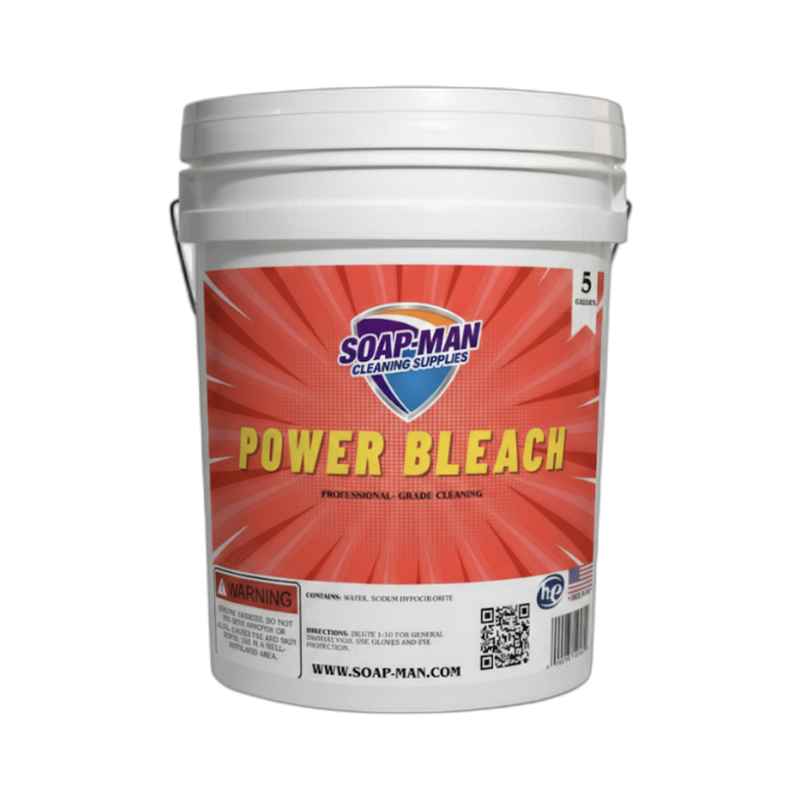
Power Bleach
Professional-grade bleach for commercial disinfecting and whitening. Available in 1-gallon and 5-gallon sizes.
From $68.00/case or $58.00/bucket
View product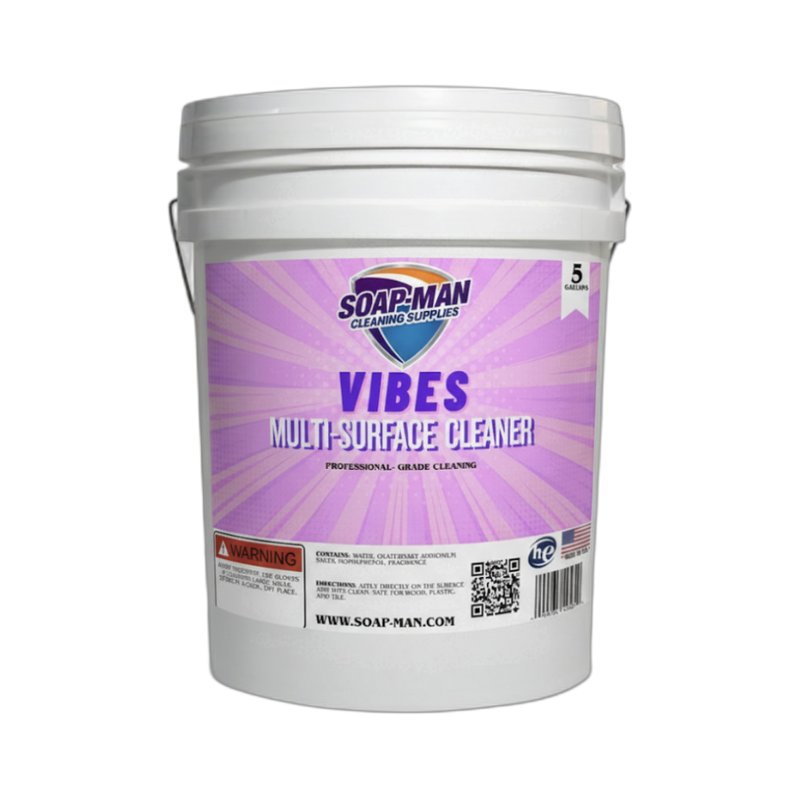
Degreasers & Multi-Surface Cleaners
Vibes Multi-Surface Cleaner
Premium multi-surface cleaner for all commercial and household environments. Available in 1-gallon and 5-gallon sizes.
From $67.00/case or $58.00/bucket
View productOur Verdict
Both are EPA-registered and kill 99.9% of germs. Clorox wipes have a slight edge for tougher messes thanks to their thicker material and better grease-cutting. Lysol wipes are better for light-duty disinfecting where a pleasant scent matters. For commercial-scale cleaning, bulk disinfectant spray with reusable microfiber cloths is far more cost-effective than either wipe brand.
Choose Lysol Disinfecting Wipes when: Office desks, phones, tablets, light-duty disinfecting, and environments where pleasant scent matters.
Choose Clorox Disinfecting Wipes when: Kitchen counters, bathroom fixtures, gym equipment, and surfaces that need grease-cutting power alongside disinfection.
Related Disinfectant and Supply Guides
Disinfectant vs Sanitizer
Understand when you need a true disinfectant claim versus a sanitizer for food-service or daily maintenance.
Open guideLysol vs Clorox
Compare the broader product lines, including sprays, wipes, bleach products, and surface compatibility.
Open guidePower Bleach
Commercial sodium hypochlorite option for bulk whitening and sanitizing workflows where the label fits the job.
Open guideBleach & Disinfectants
Browse Soap-Man's commercial disinfecting and bleach category for higher-volume supply planning.
Open guideFrequently Asked Questions
Need cleaning supplies? Shop Soap-Man Products