
Why Baking Soda Actually Works
Most "natural cleaning hacks" are overblown. Baking soda is the exception. As a chemical (sodium bicarbonate), it's a mild alkaline base, a gentle abrasive, and an odor absorber at the molecular level. That combination makes it genuinely useful for specific cleaning tasks — not every task, but enough to keep a box on hand.
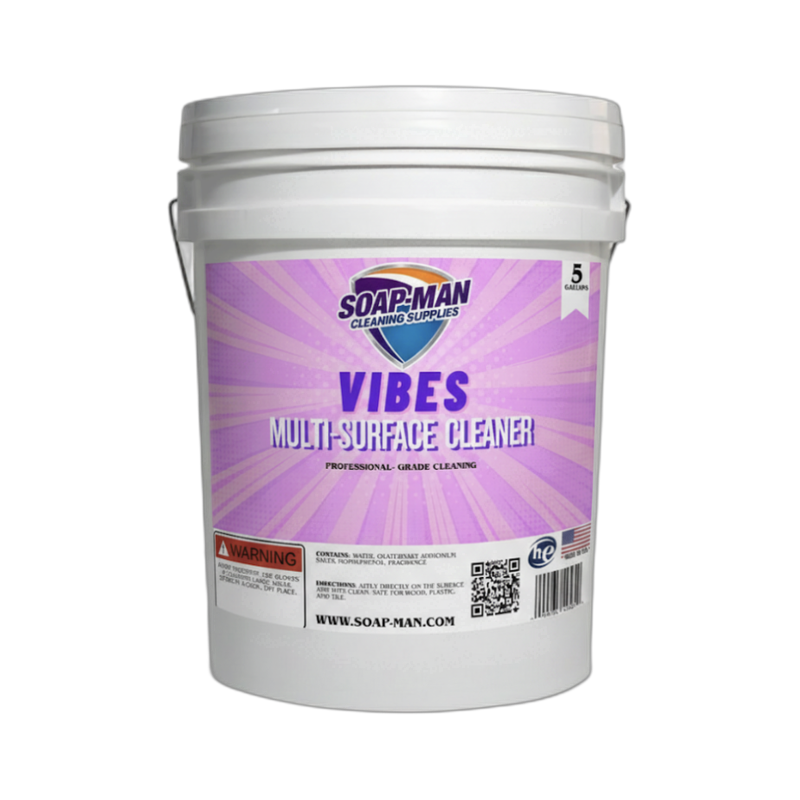
What baking soda isn't: a disinfectant, a degreaser for heavy messes, or a replacement for purpose-built cleaners in serious cleaning situations. It's a supplement to quality cleaners like Vibes Multi-Surface Cleaner, not a replacement. This guide breaks down exactly when baking soda is the best tool and when it's not.
What You'll Need
- Baking soda — a large box. The cheap grocery-store kind works fine.
- White vinegar — for vinegar-baking-soda reactions.
- Lemon juice — an alternative acid for reactions.
- A multi-surface cleaner — Vibes Multi-Surface Cleaner for tasks baking soda can't handle alone.
- A soft-bristled brush.
- Microfiber cloths.
- Spray bottles — for paste and solution applications.
- A small bowl — for mixing pastes.
Top 10 Baking Soda Cleaning Uses That Actually Work
1. Deodorize the Refrigerator
An open box of baking soda in the fridge absorbs odors at the molecular level. Change every 3 months. This is the most well-known use and one of the most effective.
2. Deodorize Carpets
Sprinkle baking soda on carpet, let it sit 15-30 minutes, then vacuum. Neutralizes odors rather than masking them. Do this monthly.
3. Scrub Stainless Steel Sinks
Sprinkle baking soda into a damp sink, scrub with a soft brush, rinse. Removes water spots and light staining without scratching.
4. Clean Greasy Pans (Soaked)
For pots with baked-on food, sprinkle baking soda across the surface, add hot water, let soak for 30 minutes, then scrub. The paste loosens stuck-on food.
5. Freshen the Garbage Disposal
Pour 1/2 cup baking soda into the disposal, then slowly add 1/2 cup vinegar. Let foam for 5 minutes, then flush with hot water. Deodorizes without damaging components.
6. Clean Tile Grout
Make a paste of baking soda and water. Apply to grout lines, scrub with an old toothbrush, rinse. Safer than bleach on colored grout.
7. Deodorize Mattresses
Sprinkle baking soda on a mattress, let sit 1-2 hours, then vacuum thoroughly. Absorbs body oils, sweat odors, and pet smells.
8. Clean Coffee Mug Stains
Make a paste, scrub inside the mug with a cloth, rinse. Removes tannin staining that regular washing misses.
9. Freshen Trash Cans
Sprinkle a tablespoon in the bottom of the can before adding a fresh bag. Neutralizes odors as they develop.
10. Remove Crayon from Walls
Make a paste, rub gently on crayon marks with a damp cloth. Works on painted walls without damaging the finish.
When Baking Soda Isn't Enough
- Heavy grease. Use a dedicated degreaser.
- Disinfection. Baking soda isn't a disinfectant — use bleach or a proper disinfectant.
- Mildew. Baking soda doesn't kill mold. Use an oxygen bleach or dedicated mildew product.
- Rust. Use a rust-specific cleaner instead.
- Hard-water stains. Acidic cleaners (vinegar, citric acid) work better.
Pro Tips
- Make a paste for abrasive cleaning. 3 parts baking soda to 1 part water gives you the right consistency.
- Use it as a booster, not a replacement. Add a tablespoon to laundry loads or sink cleaning solutions for extra deodorizing.
- Store in a dry place. Baking soda absorbs moisture and loses effectiveness when wet.
Common Mistakes
- Expecting it to disinfect. It doesn't kill pathogens.
- Using it on aluminum. Baking soda can discolor aluminum surfaces.
- Mixing it with everything. Baking soda plus vinegar neutralizes both into saltwater. Use them for the foam reaction, not simultaneous cleaning power.
FAQ
Is baking soda and vinegar a good cleaner?
The foam reaction is satisfying but the chemistry is misleading. When combined, they neutralize each other into sodium acetate and water — neither component is still active. Use them separately for cleaning, or combine them only for the foaming action (as in drain cleaning).
Can I use baking soda on any surface?
Mostly yes, but avoid it on aluminum (discolors), antique furniture with delicate finishes (can scratch), and marble or natural stone (alkaline pH can etch over time).
How is baking soda different from washing soda?
Washing soda (sodium carbonate) is a much stronger alkaline cleaner — effective on heavy grease but too harsh for many surfaces. Baking soda is gentler and more versatile for everyday cleaning.
Does baking soda expire?
Not technically, but it loses effectiveness over time, especially if exposed to moisture. A general rule: replace your cleaning box every 6 months for best results.
Can baking soda replace all my cleaners?
No. Baking soda is useful for gentle scrubbing, deodorizing, and mild stain removal. For heavy grease, disinfection, serious degreasing, or specialized jobs, purpose-built products like Vibes Multi-Surface Cleaner work much better.