
Why Your Washing Machine Smells (And Why It's Not Your Detergent)
That musty, mildewy smell coming from your washing machine isn't from using the wrong detergent — it's from mold and bacteria thriving in a warm, damp environment that never fully dries. Front-load washers are especially notorious because the rubber gasket around the door traps water and debris. But top-loaders develop the same problem in the agitator, drum creases, and detergent dispenser. Modern HE (high-efficiency) machines use less water, which means less rinsing force to flush out soap residue and fabric softener buildup. Over time, this residue becomes a biofilm that feeds mold and creates the smell people associate with a "dirty" washing machine. White vinegar is the ideal cleaning agent here because it kills mold, dissolves mineral deposits and soap scum, and deodorizes — all without leaving chemical residue on surfaces that touch your clothes.
What You'll Need
- White distilled vinegar — the star of this method. Standard 5% acidity is perfect.
- Baking soda — boosts cleaning power and helps deodorize.
- Spray bottle — for targeted vinegar application on gaskets and dispensers.
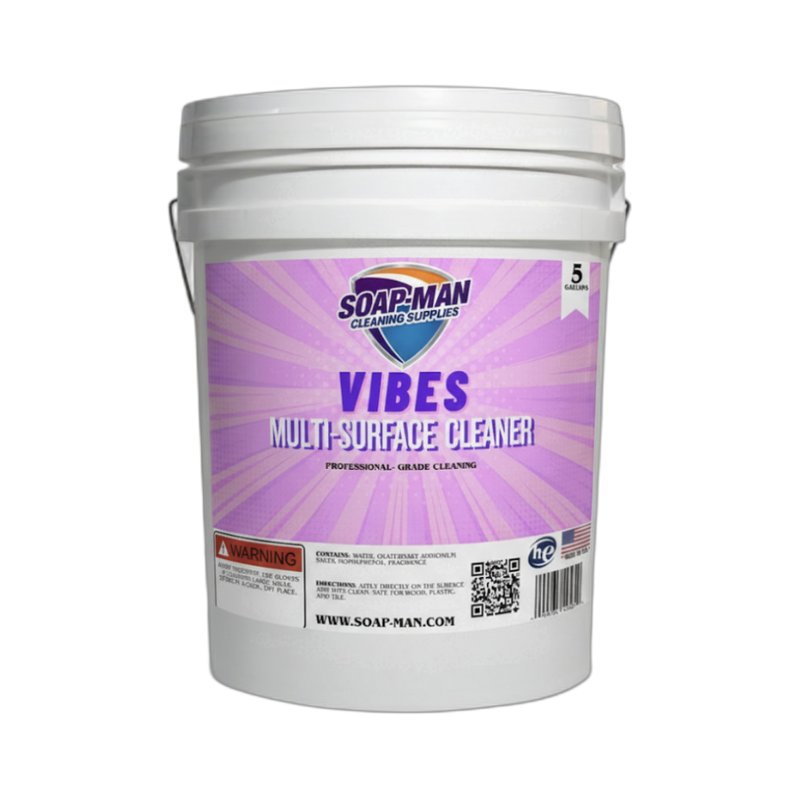
- Multi-surface cleaner — Vibes Multi-Surface Cleaner for wiping down the exterior and control panel.
- Microfiber cloths
- Old toothbrush — for scrubbing gasket folds, dispenser trays, and crevices.
- Towel
Step-by-Step: How to Clean a Washing Machine with Vinegar
Step 1: Clean the Gasket and Dispenser (Front-Loaders)
For front-load machines, start with the rubber door gasket — this is ground zero for mold and mildew. Pull the gasket folds open and you'll likely find dark mold spots, hair, coins, and trapped debris. Spray undiluted white vinegar directly into the folds, let it sit for five minutes, then scrub with an old toothbrush and wipe out the debris with a cloth. For heavy mold, spray and scrub twice. Next, pull out the detergent dispenser tray (most slide out completely) and soak it in a sink of warm water with a cup of vinegar for 15 minutes. Scrub the tray and the cavity it slides into — both accumulate congealed detergent and fabric softener that breed bacteria.
Step 2: Run the Vinegar Cycle
For top-loaders: Pour two cups of white vinegar directly into the drum. Set the machine to the hottest, longest cycle available. Start the cycle and let it fill with hot water and agitate for a few minutes to distribute the vinegar. Then pause the cycle and let the vinegar-water solution sit for 30-60 minutes. This soaking time lets the vinegar break down mineral deposits, soap scum, and biofilm on the drum and internal components. After soaking, resume and let the cycle complete.
For front-loaders: Pour two cups of white vinegar into the detergent dispenser (not the drum). Select the hottest cycle with the highest water level (some models have a dedicated "clean washer" cycle — use that). Run the complete cycle. Front-loaders don't allow mid-cycle pausing easily, so the extended hot cycle provides sufficient contact time.
Step 3: Run the Baking Soda Cycle
After the vinegar cycle completes, sprinkle half a cup of baking soda directly into the drum. Run another hot cycle. The baking soda provides additional deodorizing, mild abrasive action on drum surfaces, and helps neutralize any remaining vinegar residue. Don't combine vinegar and baking soda in the same cycle — they neutralize each other when mixed directly. Using them in separate back-to-back cycles gives you the full benefit of each.
Step 4: Wipe Down All Surfaces
After the second cycle finishes, open the door and wipe down the interior drum, the door (including the glass on front-loaders), the rim, and the gasket with a clean cloth. For the exterior, spray Vibes Multi-Surface Cleaner and wipe down the control panel, top surface, and sides. Check the drain pump filter (usually at the bottom front of front-load machines behind a small access panel). Open it, drain any trapped water into a towel, and remove any debris caught in the filter. This filter catches coins, buttons, and debris that cause drainage issues and odors.
Step 5: Dry and Prevent Future Buildup
Leave the door open after the final cycle to allow the interior to air dry completely. For front-loaders, also leave the detergent dispenser tray slightly open. The single most effective way to prevent washing machine odor is ensuring the interior dries between uses. Mold and bacteria can't grow without moisture. Wipe the rubber gasket dry after every load if you have a front-loader — this 30-second habit prevents 90% of mold recurrence.
Pro Tips
- Clean monthly to prevent buildup. A monthly vinegar cycle keeps your machine fresh with minimal effort. Waiting until the smell is noticeable means the mold has already established deeply and requires the full cleaning process described above.
- Use the right amount of detergent. Most people use two to three times more detergent than needed, especially with HE machines. Excess detergent doesn't rinse out completely and creates the residue that feeds mold. Follow the dosing guidelines on your detergent — for HE machines, use HE-specific detergent at the recommended amount.
- Run a hot cycle weekly. Cold water washes are energy-efficient but don't kill bacteria or flush residue. Running one hot cycle per week (even empty) helps maintain a clean machine between monthly vinegar cleanings.
Common Mistakes
- Mixing vinegar and baking soda in the same cycle. Combined, they neutralize each other into water, carbon dioxide, and a mild salt — losing most of their individual cleaning power. Run them as separate sequential cycles for maximum benefit.
- Closing the door immediately after each load. A sealed, damp washing machine is an incubator for mold. Always leave the door open (or at least cracked) for several hours after each use to allow air circulation and drying.
- Using bleach as the only cleaning method. Bleach kills mold on contact but doesn't dissolve the mineral deposits and soap scum that mold grows on. Vinegar addresses both the mold and its food source. If you want to use bleach occasionally for sanitizing, run it as a separate cycle after the vinegar treatment, never combined (vinegar + bleach creates toxic chlorine gas).
FAQ
Will vinegar damage my washing machine?
Standard white vinegar (5% acidity) used monthly is safe for all washing machine types and materials — stainless steel drums, rubber gaskets, and plastic components. Some manufacturers caution against frequent vinegar use because it's mildly acidic, but monthly use is well within safe limits. Don't use industrial-strength vinegar (20%+ acidity) — that can damage rubber seals over time.
Can I use apple cider vinegar instead of white vinegar?
White distilled vinegar is better for cleaning because it's colorless and won't stain. Apple cider vinegar has a brownish color that could potentially stain clothing in future loads if not rinsed completely, and it costs more for no additional cleaning benefit. Stick with white distilled vinegar for laundry appliance cleaning.
How do I clean the lint trap in my washing machine?
Top-loaders often have a lint filter near the top of the drum or inside the agitator — pull it out, peel off the lint, and rinse under water. Front-loaders rely primarily on the drain pump filter (the small access panel at the bottom front). Clean this filter monthly by opening the panel, draining water into a towel, and removing trapped debris. Some HE top-loaders don't have accessible lint filters — they self-clean through the drain pump.
Why does my washing machine smell worse when I use more detergent?
More detergent means more residue that doesn't fully rinse out. This residue coats the drum, gasket, and pipes, creating a sticky surface where bacteria and mold thrive. The bacterial byproducts create the musty smell. Reducing your detergent to the manufacturer's recommended amount (often surprisingly little) and running occasional vinegar cycles eliminates this cycle.
Is a "clean washer" cycle the same as the vinegar method?
The clean washer cycle on modern machines runs extra-hot water with extended agitation — it's a good framework but works best when combined with a cleaning agent. Running the clean washer cycle with vinegar in the dispenser gives you the best of both: the machine's optimized cleaning cycle plus vinegar's descaling and antimicrobial properties.