
Why Artificial Grass Still Needs Cleaning
Synthetic turf is marketed as maintenance-free, but that is misleading. While it does not need mowing or watering, it still accumulates dust, pollen, leaves, pet waste, and spilled food. Without cleaning, debris clogs the drainage system and causes water to pool on the surface. Pet urine produces ammonia odor that intensifies in heat if not flushed. Dirt trapped in the fibers matts them down and destroys the natural look. A simple rinse-and-brush routine every few weeks keeps artificial grass looking and smelling good for its 15-to-20-year lifespan.
What You'll Need
- Garden hose with spray nozzle
- Stiff broom or turf brush — stiff synthetic bristles, not metal.
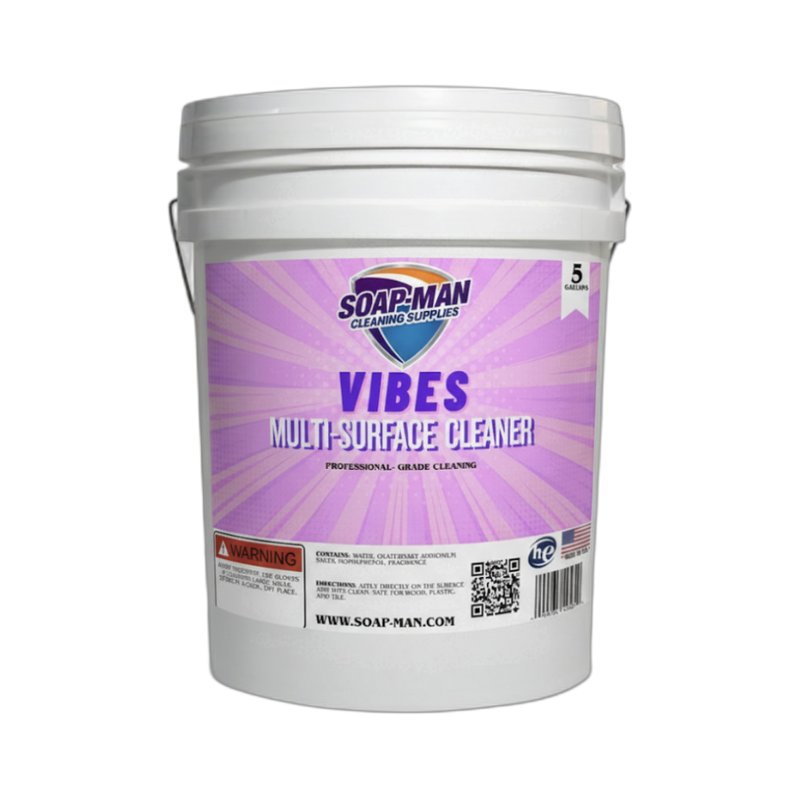
- Enzyme-based pet odor cleaner — Vibes Multi-Surface Cleaner diluted works for general cleaning.
- Leaf blower — optional but extremely helpful.
- Bucket
Step-by-Step: How to Clean Artificial Grass
Step 1: Remove Debris
Start by removing all loose debris — leaves, twigs, trash. A leaf blower does this job in seconds and is far easier than raking. For stubborn embedded debris, use the stiff broom to loosen it, then blow or sweep away.
Step 2: Pick Up Pet Waste Immediately
Solid pet waste should be removed within minutes of being deposited — the longer it sits, the harder it is to clean. Scoop with a bag, then hose the area thoroughly. Do not rake solid waste — raking pushes it deeper into the fibers and spreads contamination.
Step 3: Rinse and Wash
Hose down the entire turf area with a garden hose on medium pressure. Work in sections. For areas with pet urine, use an enzyme-based pet odor cleaner that breaks down ammonia at the molecular level. For general dirt and grime, mix Vibes Multi-Surface Cleaner in a bucket of water, apply with a sprayer or watering can, and scrub with the stiff broom. Rinse thoroughly.
Step 4: Brush the Fibers Upright
After cleaning, brush the turf fibers in the opposite direction of their natural lay to restore the upright position. High-traffic areas matt down faster and need brushing more often. The brushing keeps the turf looking full and natural and prevents permanent flattening.
Pro Tips
- Avoid harsh chemicals. Bleach, petroleum-based cleaners, and strong acids can strip the color from artificial turf and degrade the backing. Stick to mild cleaners and enzyme-based pet products.
- Hose down pet areas daily. Even if no solid waste is visible, urine builds up and creates ammonia odor quickly in hot weather. A daily quick rinse prevents the smell from ever starting.
- Brush monthly to maintain the look. Monthly brushing keeps the fibers upright and the turf looking new. Neglected turf develops flat paths that become permanent.
FAQ
Can I use a pressure washer on artificial grass?
Only at low pressure (under 1,500 psi) and held at least 12 inches from the surface. High pressure damages the infill (the rubber or sand that holds fibers upright), leaving flat spots. A regular garden hose on high pressure is usually sufficient.
How do I remove gum or sticky substances from turf?
Freeze the gum with an ice pack for 10 minutes, then gently pick off the hardened piece. For sticky spills like syrup or soda, a quick rinse followed by mild soap and water takes care of it.
Does cleaning artificial grass void the warranty?
Using aggressive chemicals or high-pressure washers against manufacturer recommendations can void warranties. Stick to mild cleaning methods and check your specific warranty document for approved products.
How often should I clean artificial grass?
Debris removal weekly. Full rinse monthly. Pet areas hosed down daily. A deep clean with cleaner and brushing every two to three months or as needed.