
Why Fire Pits Need Regular Cleaning
Every fire leaves behind ash, soot, and combustion byproducts that are corrosive to metal, porous to stone, and clogging to gas burners. Ash absorbs moisture and turns into a caustic paste that eats through steel fire pits surprisingly fast. Soot builds up on stone and brick, discoloring the surface permanently if left in place. Gas fire pits develop grease buildup from food spills and bugs blocking the burner holes. A cleaned fire pit burns better, looks better, and lasts years longer than a neglected one.
What You'll Need
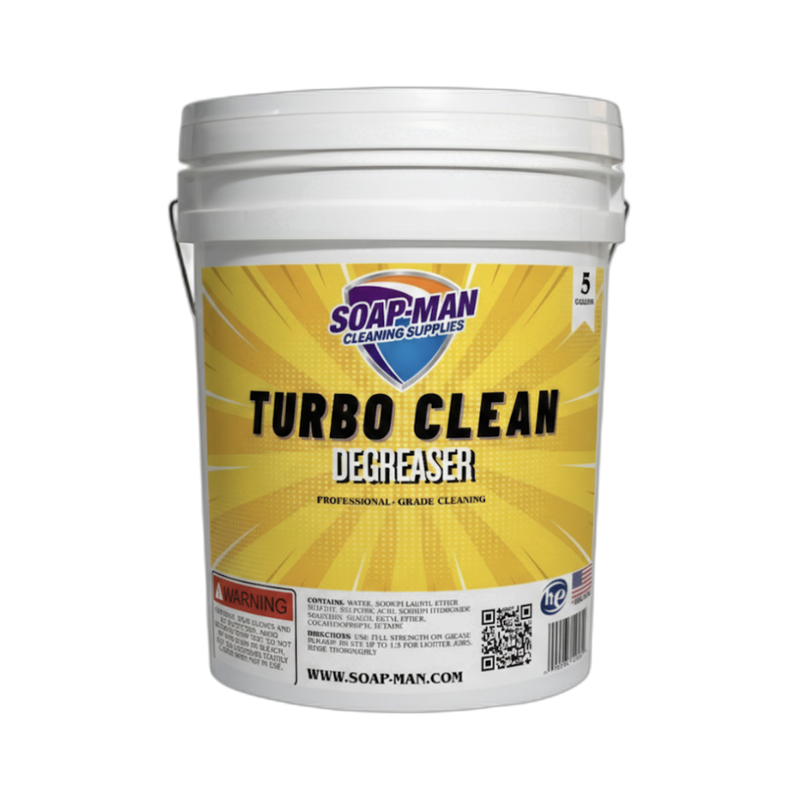
- Heavy-duty degreaser — Turbo Clean Degreaser cuts baked-on grease and soot.
- Ash bucket — metal only, never plastic.
- Stiff wire brush
- Shop vacuum — designed for ash (not a regular vacuum).
- Garden hose
- Work gloves
Step-by-Step: How to Clean a Fire Pit
Step 1: Ensure Fire Is Fully Extinguished
Wait at least 48 hours after the last fire before cleaning. Ash can hold heat and embers for days. Never assume cold ash is safe — use a metal ash bucket and never dispose of ash in a plastic container or regular trash can until you are completely certain it is cold.
Step 2: Remove Ash and Debris
Scoop ash into the metal bucket using a small shovel or ash scoop. For finer ash, use an ash-rated shop vacuum — a regular vacuum will suck hot embers and fine particles into the motor and potentially start a fire. Dispose of cold ash in a metal container away from the house.
Step 3: Scrub the Interior
For metal fire pits, scrub the interior with a stiff wire brush to remove soot and rust. Apply Turbo Clean Degreaser for baked-on grease and residue, let it sit for 10 minutes, then scrub. Rinse thoroughly with a garden hose. For stone and brick fire pits, use the degreaser and a stiff brush but avoid aggressive wire brushing that can damage the masonry. For gas fire pits, turn off the gas, remove lava rocks or glass, brush burner holes clean with a small wire brush, and wipe the tray with degreaser on a cloth.
Step 4: Dry and Protect
Let the fire pit fully air-dry. For metal fire pits, apply a thin coat of high-temperature grill paint or rust inhibitor to exposed metal to prevent corrosion. Cover the fire pit with a waterproof cover when not in use.
Pro Tips
- Clean after every use, not just annually. A quick ash removal and wipe-down after each fire prevents buildup that is harder to tackle later. Five minutes of weekly maintenance beats an hour-long deep clean.
- Never use water on a hot fire pit. Thermal shock can crack cast iron and warp steel. Let the pit cool completely before any water contact.
- Cover it when not in use. A waterproof cover prevents rain, snow, and leaves from filling the pit and accelerating rust. This single habit dramatically extends fire pit life.
FAQ
How do I remove rust from a steel fire pit?
Scrub with a wire brush to remove loose rust, then apply a rust remover or white vinegar soak for 30 minutes. Scrub again, rinse, dry completely, and apply high-temperature grill paint to the affected area to seal and prevent new rust.
Can I use bleach on a fire pit?
No. Bleach on steel causes corrosion, and combined with future ash it creates toxic fumes when you next burn a fire. Stick to degreaser, vinegar, and water for cleaning.
What if soot won't come off my stone fire pit?
Try a paste of baking soda and water applied to the soot, let sit for 20 minutes, then scrub with a stiff brush and rinse. For truly stubborn soot, a dedicated masonry soot cleaner from a hardware store works without damaging the stone.
How often should I clean a gas fire pit?
Inspect and brush burner holes monthly during use season. Do a full cleaning at the start and end of each season. Keep the lava rocks or glass clean and replace lava rocks when they begin to crumble.