
Why Bathroom Tile Gets So Dirty
Bathroom tile faces constant assault: soap residue, shampoo, conditioner, body oils, hair products, hard water minerals, mildew from humidity, and dust from bathroom traffic. All of these combine over time into a mixed-material buildup that's harder to remove than any single type of dirt. The grout lines, being porous and usually lower than the tile surface, collect the worst of it.
As cleaning professionals, we treat bathroom tile as a two-part job: the tile faces (which are non-porous and easier to clean) and the grout lines (which are porous and need different treatment). Clean both properly and the bathroom looks restored. Clean only one and it still looks dirty.
This guide covers the complete method for ceramic tile, porcelain tile, and natural stone tile, plus the grout lines between them. Different tile types need different products — using the wrong one causes permanent damage, so we'll cover which to use where.
What You'll Need
- Multi-surface cleaner — Vibes Multi-Surface Cleaner for regular maintenance on ceramic and porcelain tile. Cuts through soap scum and body oils without leaving residue.
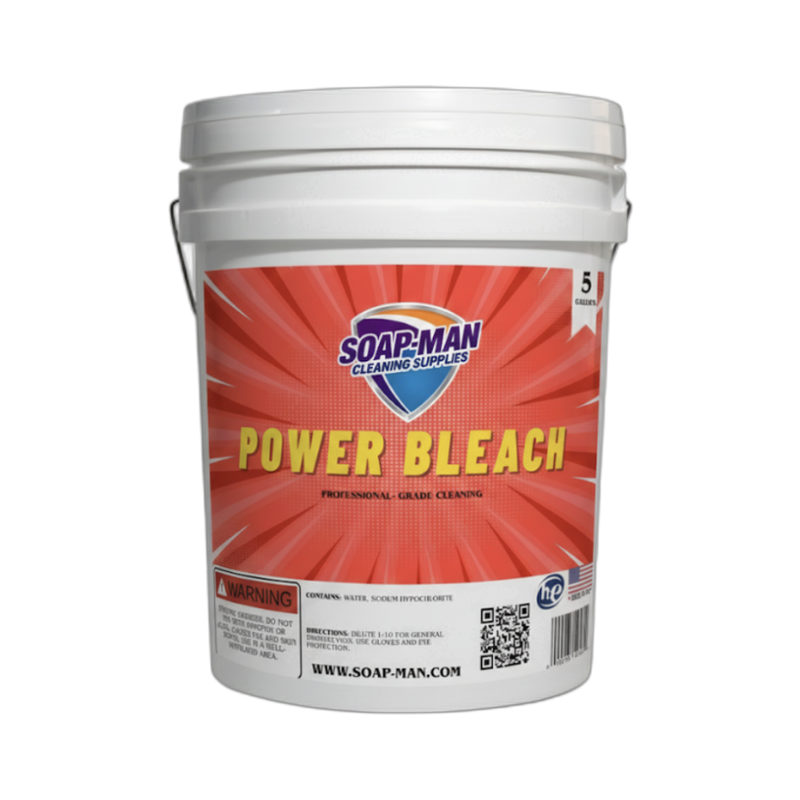
- Professional bleach — Power Bleach diluted for removing mildew from grout and tile.
- White distilled vinegar — For hard water and mineral deposits on ceramic/porcelain only (NOT natural stone).
- Baking soda — For a gentle scrubbing paste on grout.
- pH-neutral stone cleaner — If you have natural stone tile, acid cleaners will etch it permanently. Use only a stone-safe cleaner.
- Stiff-bristled brush — For grout scrubbing. A dedicated grout brush works best.
- Soft-bristled brush — For tile surfaces to avoid scratching.
- Microfiber cloths
- Spray bottle
- Rubber gloves and eye protection — Essential when using bleach.
Step-by-Step: Ceramic and Porcelain Tile
Step 1: Prep the Area
Ventilate the bathroom — open a window or run the exhaust fan. Remove anything from the tub/shower that could get in the way (bottles, loofahs, mats). Rinse the tile with hot water to loosen surface grime and open up the grout pores.
Step 2: Spray with Cleaner
Spray Vibes Multi-Surface Cleaner generously on the tile. Let it dwell for 5-10 minutes. Contact time is critical — this is where the soap scum and body oils are loosening from the tile surface.
Step 3: Scrub the Tile Faces
Using a soft-bristled brush or non-scratch scrubbing pad, scrub the tile surfaces in small circular motions. Work from top to bottom so dirty water flows over surfaces you haven't cleaned yet. For shower walls, start at the top and work downward section by section.
Step 4: Tackle the Grout Lines
Grout needs separate attention. Make a paste of baking soda and water (thick enough to stick to vertical surfaces) and apply it to the grout lines with an old toothbrush or stiff grout brush. Scrub the grout along the lines in back-and-forth motions. For mildew on grout, spray a diluted bleach solution (1 part Power Bleach to 10 parts water) over the baking soda and let it sit for 5-10 minutes before scrubbing.
Step 5: Rinse Thoroughly
Rinse everything with hot water. Make sure no cleaning product residue remains — residue on tile attracts dirt faster and can leave a dull film. For shower walls, use the detachable shower head or a bucket of water.
Step 6: Dry
Dry with a microfiber cloth or squeegee. Drying is critical for preventing new water spots and slowing mildew regrowth. In humid environments, leaving tile wet causes new buildup to start within hours.
Step-by-Step: Natural Stone Tile (Marble, Travertine, Slate)
Important: Acid Will Damage Stone
Vinegar, bleach, and most commercial bathroom cleaners damage natural stone by etching the surface permanently. Never use acid or strong alkali on marble, travertine, limestone, or honed slate. Always check what kind of tile you have before cleaning.
Step 1: Rinse with Warm Water
Rinse the stone tile with warm water to remove loose debris.
Step 2: Use a pH-Neutral Stone Cleaner
Apply a pH-neutral stone cleaner according to the product's directions. Never substitute with regular bathroom cleaners. Work the cleaner over the tile with a soft cloth or sponge — never use abrasive pads.
Step 3: Clean the Grout (Gently)
If your stone tile has standard grout, you can use a soft toothbrush with diluted stone cleaner. Avoid baking soda paste (too abrasive for some stones) and never use bleach or vinegar — these can stain or etch adjacent stone.
Step 4: Rinse and Dry
Rinse with plain water and dry with a microfiber cloth. Stone benefits from being dried immediately after cleaning to prevent water spotting.
Step 5: Seal Periodically
Natural stone requires periodic sealing (every 6-12 months) to maintain its stain resistance. A stone sealer creates a protective barrier that repels water and oils. Apply according to the product's instructions after thorough cleaning and drying.
Pro Tips
- Clean after each shower. A quick squeegee of shower walls after every use prevents 90% of the soap scum and hard water buildup. Takes 30 seconds and saves hours of deep cleaning later.
- Seal grout annually. Sealed grout resists stains and mildew far better than unsealed. Many grout sealers are easy DIY applications. Worth the effort.
- Run the exhaust fan during and after showers. Ventilation reduces humidity, which slows mildew regrowth dramatically. The single biggest factor in keeping bathroom tile clean longer is humidity control.
- Test cleaners on an inconspicuous area. Especially important for natural stone and for colored tile or grout. A small test spot prevents catastrophic mistakes.
Common Mistakes
Using Acid on Natural Stone
This is the biggest and most expensive mistake. A single cleaning with vinegar or a standard bathroom cleaner can etch marble or travertine permanently. Damage is visible as dull spots that can only be fixed by professional polishing or replacement.
Using Abrasive Scrubbers on Tile
Steel wool, scouring pads, and abrasive powders can scratch tile glaze, particularly on porcelain. Scratches then trap dirt and become harder to clean over time. Stick with soft brushes and non-scratch pads.
Not Rinsing Thoroughly
Cleaner residue on tile attracts dirt and can leave a dull film that looks exactly like the grime you're trying to remove. Always rinse completely with plain water after cleaning.
Ignoring the Grout
Clean tile with dirty grout still looks dirty. Grout is 50% of the visible surface area in most tiled bathrooms. If you clean only the tile faces, you're only doing half the job.
Mixing Cleaners
Never combine bleach with vinegar, ammonia, or other cleaners. Toxic fumes are a real risk. If you switch products, rinse thoroughly with plain water between them.
Frequently Asked Questions
How often should I clean bathroom tile?
A quick wipe-down and squeegee after each shower, a basic cleaning weekly, and a deep cleaning with grout scrub every 1-2 months. Busy family bathrooms need more frequent attention than rarely-used guest bathrooms.
What's the best way to clean mildew from grout?
A diluted bleach solution (1:10 ratio) works best for non-colored grout. Apply with a toothbrush, let sit 5-10 minutes, scrub, and rinse. For serious mildew, repeat treatments may be needed. For colored grout, test first — bleach can lighten the color permanently.
Can I use a steam cleaner on bathroom tile?
Yes, steam cleaners work excellently on ceramic and porcelain tile and grout. The heat loosens buildup and kills mildew without chemicals. Check the manufacturer's guidance for your specific tile — some natural stone can be damaged by thermal shock from steam.
How do I know if my tile is natural stone or ceramic?
Natural stone has visible variation, veining, or natural patterns. Ceramic and porcelain are uniform in color and pattern. If in doubt, check with your builder or look up the product. Tap it — stone sounds duller, ceramic sounds slightly higher-pitched.
My grout stays yellow even after cleaning. What's wrong?
Deep-set staining in porous unsealed grout. Options: grout lines can be professionally steam cleaned, the top layer of grout can be scraped out and replaced with fresh grout, or colored grout colorant can be applied over the stained grout to restore uniform appearance. Sealing after cleaning prevents the problem from recurring.